

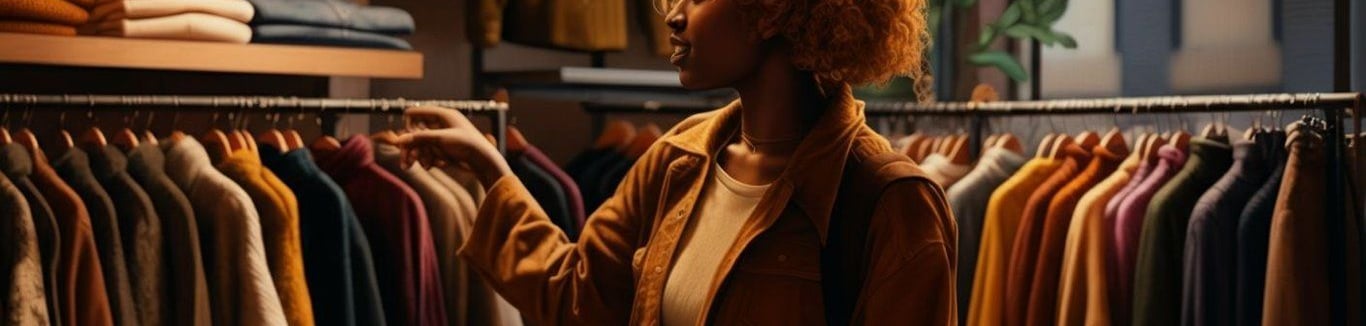
Unlock eco-friendly fashion with sustainable, ethical style tips and top ethical brands.
Eco-friendly fashion has emerged as a pivotal movement within the fashion industry, characterized by its commitment to sustainability and ethical production. As concerns over environmental impact and ethical manufacturing mounts, both consumers and designers are increasingly leaning towards green options that foster a healthier planet and communities. This article will explore the principles and practices behind eco-friendly fashion, examining the materials, influencers, and trends that shape this innovative landscape. By integrating sustainable practices into everyday wardrobe choices, we can contribute to a more environmentally friendly future.
Understanding the Rise of Green Fashion
Key Drivers of Sustainable Fashion
The rise of sustainable fashion is fueled by growing consumer awareness of the environmental impact of traditional fashion practices. As people learn about the pollution and waste generated by the fashion industry, they are increasingly seeking eco-friendly clothing options. This shift is evident in the use of sustainable materials like organic cotton and recycled textiles, which are becoming more popular among consumers.
Influential Figures and Brands
- Prominent designers and social media influencers are advocating for sustainable lifestyles, making eco-friendly fashion more mainstream.
- Brands are committing to ethical production methods, reflecting consumer demand for sustainable products.
- Fashion companies are pledging to reduce their ecological footprint by using eco-friendly materials.
These influencers and brands are crucial in promoting sustainable apparel, helping to normalize green fashion in mainstream culture. For more insights on sustainable fashion, you can discover estethica.
Steps to Embrace Eco-Friendly Clothing
- Educate yourself about sustainable fashion and its benefits.
- Choose clothing made from organic or recycled materials.
- Support ethical fashion brands committed to reducing their environmental impact.
By following these steps, consumers can make informed choices that support the environment and promote ethical clothing practices. This approach not only benefits the planet but also aligns with the aesthetics of modern, eco-conscious lifestyles, often reflected in aesthetics clothing and related trends.
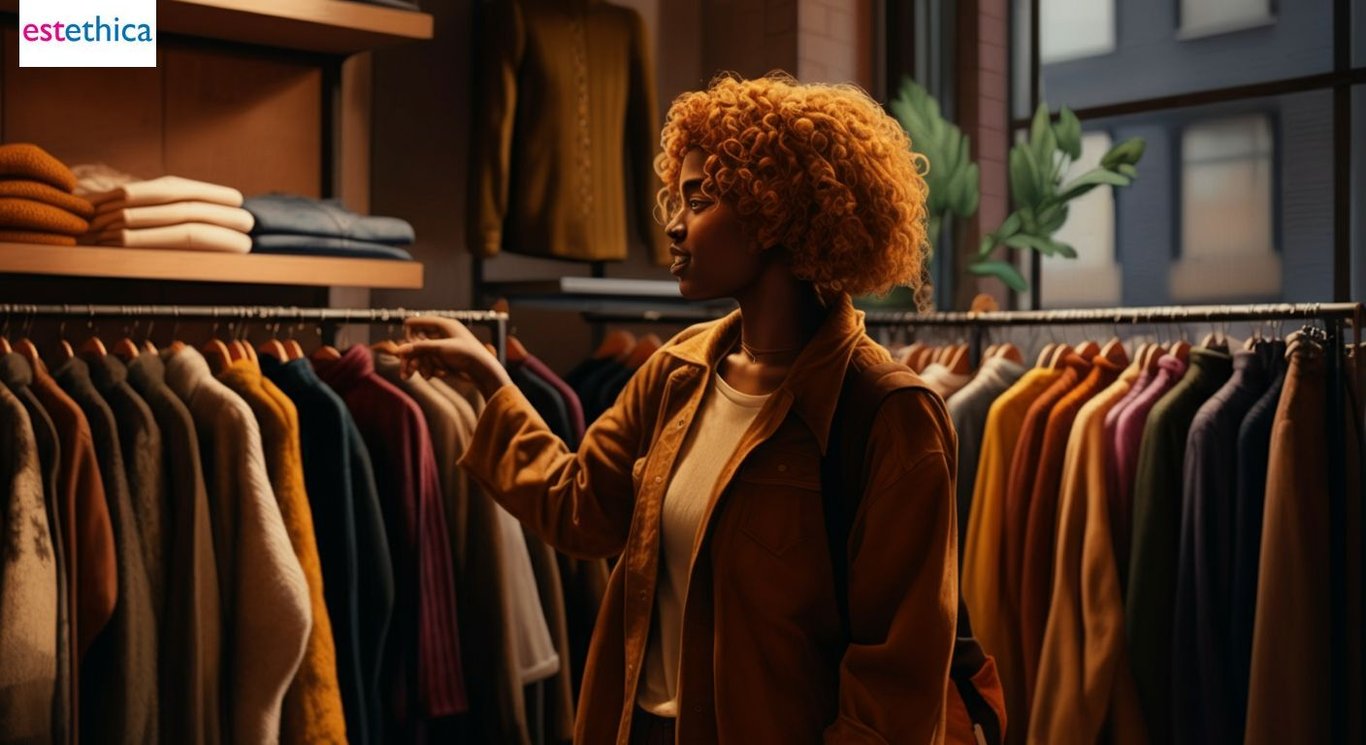
Choosing the Best Eco-Friendly Clothing Materials
Understanding Sustainable Fabric Choices
Eco-friendly clothing materials are pivotal in reducing the fashion industry's environmental footprint. Organic cotton, for example, is cultivated without synthetic pesticides, promoting healthier ecosystems. Hemp, another sustainable option, requires minimal water and offers durability, making it ideal for long-lasting garments. Tencel, derived from wood pulp, is celebrated for its closed-loop production process, which minimizes waste.
Benefits of Recycled Materials
- Recycled polyester, made from plastic waste, reduces landfill contributions and energy use.
- Fabrics from recycled fishing nets help clean oceans while providing durable textiles.
- Repurposing materials supports circular fashion, aligning with sustainable apparel goals.
These materials not only offer functional benefits but also align with the aesthetics of eco-conscious fashion, often seen in aesthetics clothing and related trends.
Steps to Identify Eco-Friendly Materials
- Check labels for certifications like GOTS or OEKO-TEX, ensuring sustainable practices.
- Research brands committed to transparency in their material sourcing.
- Prioritize garments made from organic, recycled, or biodegradable materials.
By following these steps, consumers can make informed choices that support sustainable fashion and contribute to a greener planet. This approach not only benefits the environment but also enhances the aesthetics of modern, eco-friendly wardrobes, often reflected in aesthetics posters and flower aesthetics.

Finding Affordable Ethical Fashion Brands
Integrating Sustainable Fashion into Your Wardrobe
Transitioning to sustainable fashion doesn't require a complete wardrobe overhaul. Many ethical fashion brands offer versatile staple pieces that seamlessly blend with existing clothing. For instance, Pact provides organic cotton basics that can be paired with various outfits, enhancing both style and sustainability. Known Supply focuses on fair trade practices, offering unique pieces that add a touch of ethics to any wardrobe. Mata Traders, known for its vibrant designs, uses sustainable materials to create statement pieces that stand out.
Key Features of Affordable Ethical Fashion Brands
- Transparent supply chains ensure consumers know the origins of their clothing.
- Fair trade practices guarantee fair wages and safe working conditions for workers.
- Use of sustainable materials reduces environmental impact while maintaining quality.
These features not only contribute to a greener planet but also align with the aesthetics of modern, eco-conscious lifestyles, often reflected in aesthetics clothing and related trends.
Steps to Transition to Ethical Fashion
- Start by identifying key pieces in your wardrobe that can be replaced with sustainable options.
- Research brands that align with your values and offer affordable ethical fashion.
- Gradually incorporate these pieces into your wardrobe, focusing on quality over quantity.
By following these steps, consumers can make informed choices that support sustainable fashion and contribute to a greener planet. This approach not only benefits the environment but also enhances the aesthetics of modern, eco-friendly wardrobes, often reflected in aesthetics posters and flower aesthetics.
Exploring Sustainable Fashion Influencers
The Impact of Influencers on Sustainable Fashion Trends
Sustainable fashion influencers significantly shape consumer perceptions and trends. With large followings on social media platforms, these influencers promote eco-friendly clothing choices and share tips for living sustainably. Influencers like Aditi Mayer and Venetia La Manna use their platforms to advocate for sustainable fashion by showcasing eco-friendly outfits and educating their audiences on the importance of ethical consumerism. By featuring sustainable clothing brands and advocating for reduced consumption, they inspire their followers to consider the environmental impact of their shopping habits.
Characteristics of Influential Sustainable Fashion Advocates
- Authenticity in promoting eco-friendly lifestyles and sustainable apparel.
- Engagement with followers through interactive content and discussions.
- Commitment to transparency about their own sustainable fashion choices.
These characteristics not only enhance their credibility but also align with the aesthetics of modern, eco-conscious lifestyles, often reflected in aesthetics clothing and related trends.
Steps to Engage with Sustainable Fashion Influencers
- Identify influencers whose values align with your own sustainable fashion goals.
- Follow their social media accounts for regular updates and inspiration.
- Participate in discussions and share your own sustainable fashion journey.
By engaging with these influencers, consumers can gain valuable insights into eco-friendly fashion trends and discover new ethical brands. This approach not only benefits the environment but also enhances the aesthetics of modern, eco-friendly wardrobes, often reflected in aesthetics posters and flower aesthetics.
Innovative Eco-Friendly Fashion Materials
Steps to Embrace Eco-Friendly Fashion
Frequently Asked Questions
What is sustainable fashion and why is it important?
How can I choose the best eco-friendly clothing materials?
What are some affordable ethical fashion brands?
How do sustainable fashion influencers impact consumer choices?
What steps can I take to transition to ethical fashion?
Discover the path to 'Healthy Beauty' with estethica's expert care. Call now for your free consultation and take the first step towards a more confident you!
📞 Call for Your Free Consultation