

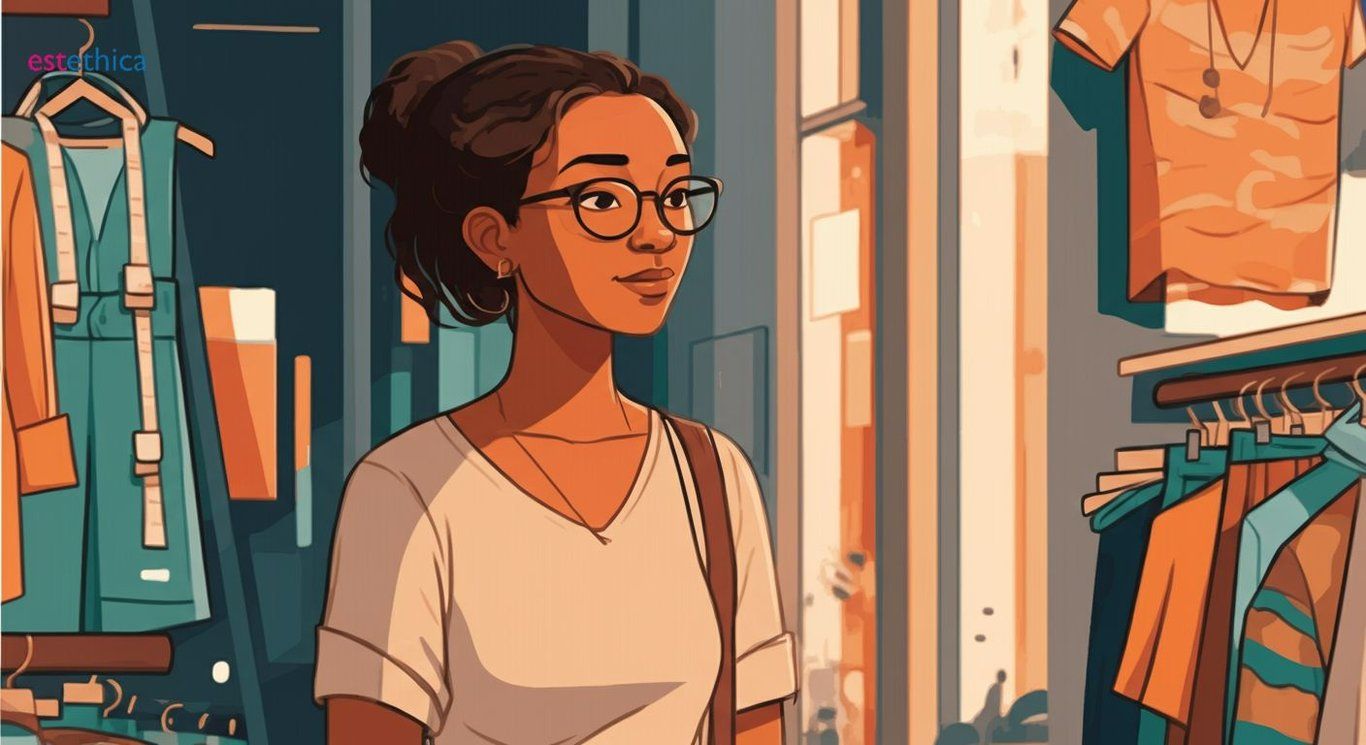
Explore the future of fashion with sustainable and ethical choices making waves in the industry.
Sustainable fashion is no longer just a trend; it's a movement transforming the apparel industry. As concerns about environmental impact and ethical manufacturing grow, consumers are increasingly seeking out eco-friendly clothing options. This blog will explore the rise of green fashion, guide you in identifying ethical fashion brands, and delve into the best eco-friendly materials available today. Join us as we support the slow fashion movement, contributing to a more sustainable future for the fashion industry.
Understanding the Rise of Green Fashion
The Aesthetic Beauty of Sustainable Fashion
The fashion industry is undergoing a transformative shift towards sustainable fashion, driven by the need to reduce environmental impact and promote ethical practices. This movement is not just about eco-friendly clothing but also about redefining aesthetic beauty through sustainable style. Brands are increasingly focusing on visual aesthetics that align with eco-conscious values, creating garments that are both stylish and responsible.
Key Features of Eco-Friendly Clothing
- Use of organic and recycled fabrics, reducing waste and conserving resources.
- Adoption of green fashion design principles, ensuring minimal carbon footprint.
- Commitment to ethical fashion practices, enhancing social responsibility.
These elements contribute to a sustainable wardrobe that not only looks good but also feels good, knowing it supports a healthier planet.
How to Support Ethical Fashion
- Research and choose ethical fashion brands committed to sustainability.
- Opt for eco-friendly clothing materials that prioritize environmental health.
- Engage with ethical fashion influencers who promote responsible fashion choices.
By following these steps, consumers can actively participate in the slow fashion movement, supporting brands that prioritize sustainability and ethical practices.
For more insights on how celestial events influence fashion aesthetics, explore Planetary Alignment: A Celestial Event with estethica's Precision.
How to Identify Ethical Fashion Brands
Certifications and Practices of Ethical Fashion
Identifying ethical fashion brands involves understanding the certifications and practices that set them apart. These brands prioritize sustainable fashion by adhering to rigorous standards that ensure eco-friendly clothing production. Certifications like Fair Trade, GOTS (Global Organic Textile Standard), and B Corp are key indicators of a brand's commitment to sustainability and fairness.
Visual Aesthetics and Ethical Fashion
Ethical fashion brands often emphasize visual aesthetics that reflect their sustainable values. This includes using eco-friendly materials and innovative design techniques that align with the slow fashion movement. The aesthetic beauty of these garments is not just in their appearance but in their ethical production processes.
Steps to Identify Ethical Fashion Brands
- Check for certifications like Fair Trade and GOTS that guarantee ethical practices.
- Research the brand's supply chain transparency and commitment to sustainability.
- Evaluate the use of eco-friendly materials and sustainable style in their collections.
By following these steps, consumers can confidently choose brands that align with their values, supporting a more sustainable and ethical fashion industry.
Characteristics of Ethical Fashion Brands
- Commitment to reducing environmental impact through sustainable practices.
- Focus on fair labor practices and supply chain transparency.
- Use of organic and recycled fabrics to promote eco-conscious apparel.
These characteristics not only define ethical fashion brands but also contribute to a more responsible and sustainable fashion landscape.

Exploring the Best Eco-Friendly Materials
Innovative Fabrics Shaping Sustainable Fashion
In the realm of sustainable fashion, innovative fabrics are redefining eco-friendly clothing. Materials like bamboo and Tencel are gaining popularity for their minimal environmental impact and luxurious feel. Bamboo, known for its rapid growth and low water requirements, offers a unique blend of durability and aesthetic beauty. Tencel, derived from sustainably sourced wood pulp, provides a silky texture while being biodegradable, making it a favorite among ethical fashion brands.
The Role of Organic and Recycled Fabrics
Organic cotton and recycled polyester are pivotal in the eco-friendly clothing movement. Organic cotton, grown without harmful pesticides, ensures a healthier planet and a softer touch. Recycled polyester, made from post-consumer plastic, reduces waste and energy consumption. These materials not only support sustainable fashion but also enhance the visual aesthetics of garments, aligning with the slow fashion movement.
Eco-Friendly Materials and Their Benefits
- Bamboo: Rapidly renewable and requires minimal water, offering durability and aesthetic beauty.
- Tencel: Biodegradable and silky, derived from sustainably sourced wood pulp.
- Organic Cotton: Grown without pesticides, providing a softer touch and supporting eco-conscious apparel.
These materials contribute to a sustainable wardrobe that prioritizes both style and environmental responsibility.
Steps to Incorporate Eco-Friendly Materials
- Research and select fabrics like bamboo and Tencel for their eco-friendly properties.
- Choose garments made from organic cotton and recycled polyester to reduce environmental impact.
- Support brands that prioritize innovative materials in their collections, enhancing sustainable style.
By following these steps, consumers can embrace eco-friendly clothing and contribute to the future of sustainable fashion.

Supporting the Slow Fashion Movement
The Visual Aesthetics of Slow Fashion
Slow fashion emphasizes the aesthetic beauty of well-crafted garments that stand the test of time. Unlike fast fashion, which prioritizes trends, slow fashion focuses on visual aesthetics that are timeless and sustainable. This movement encourages designers to create pieces that not only look luxurious but also reflect eco-conscious values. By choosing slow fashion, consumers can enjoy the aesthetic beauty of garments that are both stylish and sustainable.
Steps to Embrace Slow Fashion
- Invest in quality pieces that offer durability and timeless style.
- Support brands that prioritize sustainable fashion and ethical production.
- Educate yourself on eco-friendly clothing materials and responsible fashion practices.
By following these steps, you can contribute to the slow fashion movement, promoting a more sustainable and ethical fashion industry.
Key Elements of Slow Fashion
- Focus on quality over quantity, ensuring each piece is made to last.
- Emphasis on sustainable style, using eco-friendly materials and practices.
- Commitment to ethical fashion brands that prioritize fair labor and environmental responsibility.
These elements not only define slow fashion but also contribute to a more responsible and sustainable fashion landscape, aligning with the principles of eco-friendly clothing and ethical fashion brands.
Innovative Fabrics Shaping Sustainable Fashion
Supporting the Slow Fashion Movement
Frequently Asked Questions
What is the future of sustainable fashion?
How can I identify ethical fashion brands?
What are some eco-friendly materials used in fashion?
How does the slow fashion movement differ from fast fashion?
Why are organic and recycled fabrics important in sustainable fashion?
Discover the path to 'Healthy Beauty' with estethica's expert care. Call now for your free consultation and step into a world of advanced aesthetic solutions.
📞 Speak with Our Specialists Today!