


Unlock the secrets to a perfect smile with dental implants today.
Delve into the world of dental implants — a groundbreaking advancement in dental technology that has redefined tooth replacement methods. As more individuals seek permanent solutions for missing teeth, understanding the intricacies of dental implants becomes essential. From their functionality to the latest trends in implant dentistry, this comprehensive guide offers a deep dive into everything you need to know about dental implants, ensuring your smile remains both beautiful and healthy.
Understanding How Dental Implants Work
How Dental Implants Provide a Natural Tooth Replacement
Dental implants serve as artificial roots, securely anchored into the jawbone, offering a robust base for replacement teeth. This innovative approach closely replicates the function and appearance of natural teeth. For instance, a titanium post is surgically inserted into the jaw, which then fuses with the bone over time, a process known as osseointegration. This integration ensures the implant's stability and longevity, making it a preferred choice for those seeking a permanent solution for missing teeth.
Key Benefits of Dental Implants
- Enhanced durability due to advanced materials and techniques.
- Improved oral health as implants do not require altering adjacent teeth.
- Natural appearance and feel, boosting confidence and comfort.
These benefits highlight why dental implants are increasingly popular among patients looking for reliable tooth replacement options. The advancements in implant dentistry have made them a viable choice for many, ensuring they remain a lifetime solution.
Steps in the Dental Implant Process
- Initial consultation and assessment of oral health.
- Surgical placement of the implant into the jawbone.
- Attachment of the abutment and crown after healing.
Each step is crucial in ensuring the success of the implant, with the healing phase allowing the implant to integrate with the bone. For those interested in exploring their options, you can discover the best dental implants for your needs.
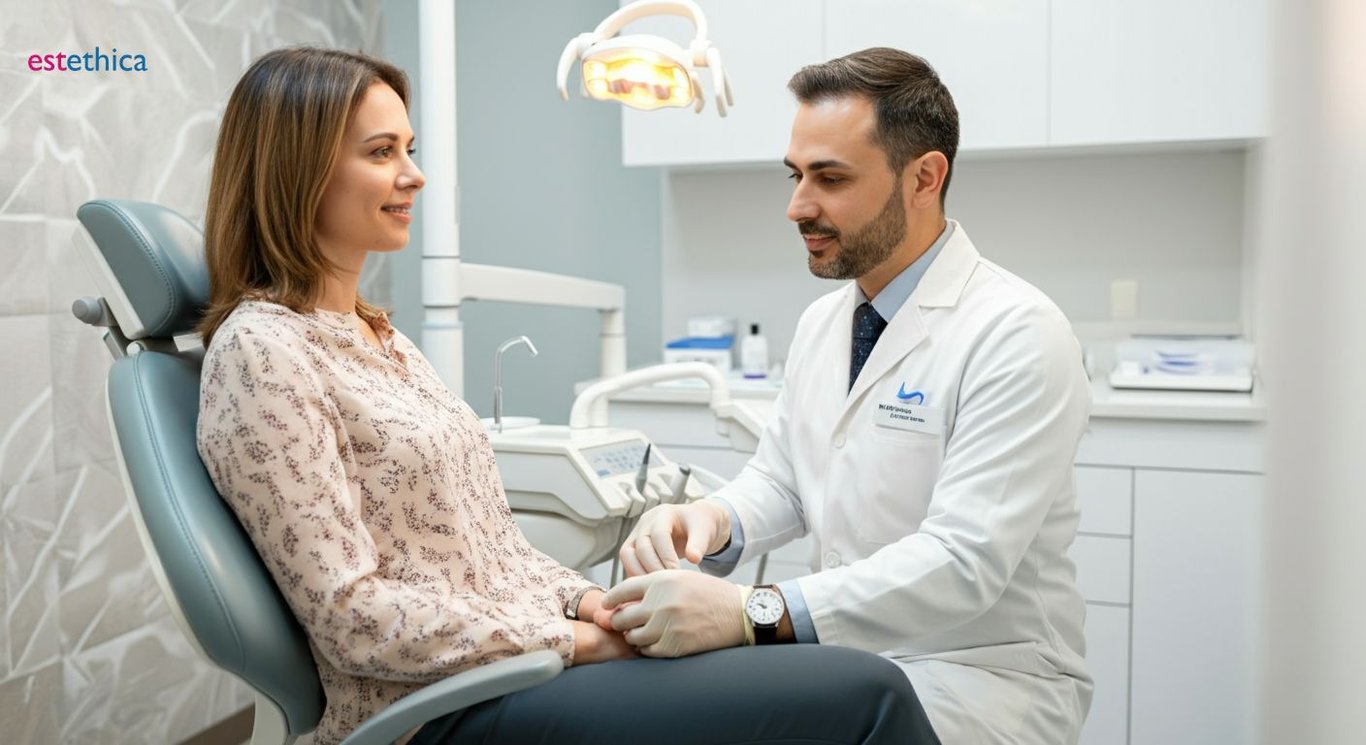
Exploring Implant Dentistry: A Modern Solution
The Evolution of Implant Dentistry
Implant dentistry has undergone significant advancements, transforming tooth replacement into a seamless experience. Initially, procedures were lengthy and invasive, but modern techniques have reduced recovery times and increased success rates. For instance, the use of 3D imaging allows for precise implant placement, minimizing discomfort and enhancing outcomes. Additionally, materials like zirconia offer improved aesthetics and durability, making implants indistinguishable from natural teeth.
Factors Influencing Dental Implant Costs
- Geographical location can affect the overall expense due to varying regional costs.
- The complexity of the procedure, such as bone grafting, may increase the price.
- Choice of materials, with premium options like zirconia impacting the cost.
Understanding these factors helps patients make informed decisions about their dental health. As technology continues to evolve, the accessibility of affordable dental implants is expected to improve, offering more people the opportunity to benefit from this advanced tooth replacement solution.
- Initial evaluation to determine the suitability of implants for the patient.
- Customized treatment planning using advanced imaging techniques.
- Post-procedure care to ensure optimal healing and implant integration.
These steps are crucial in ensuring the long-term success of dental implants, providing patients with a reliable and aesthetically pleasing solution for missing teeth. As the field of implant dentistry continues to innovate, patients can expect even more refined and effective treatments in the future.
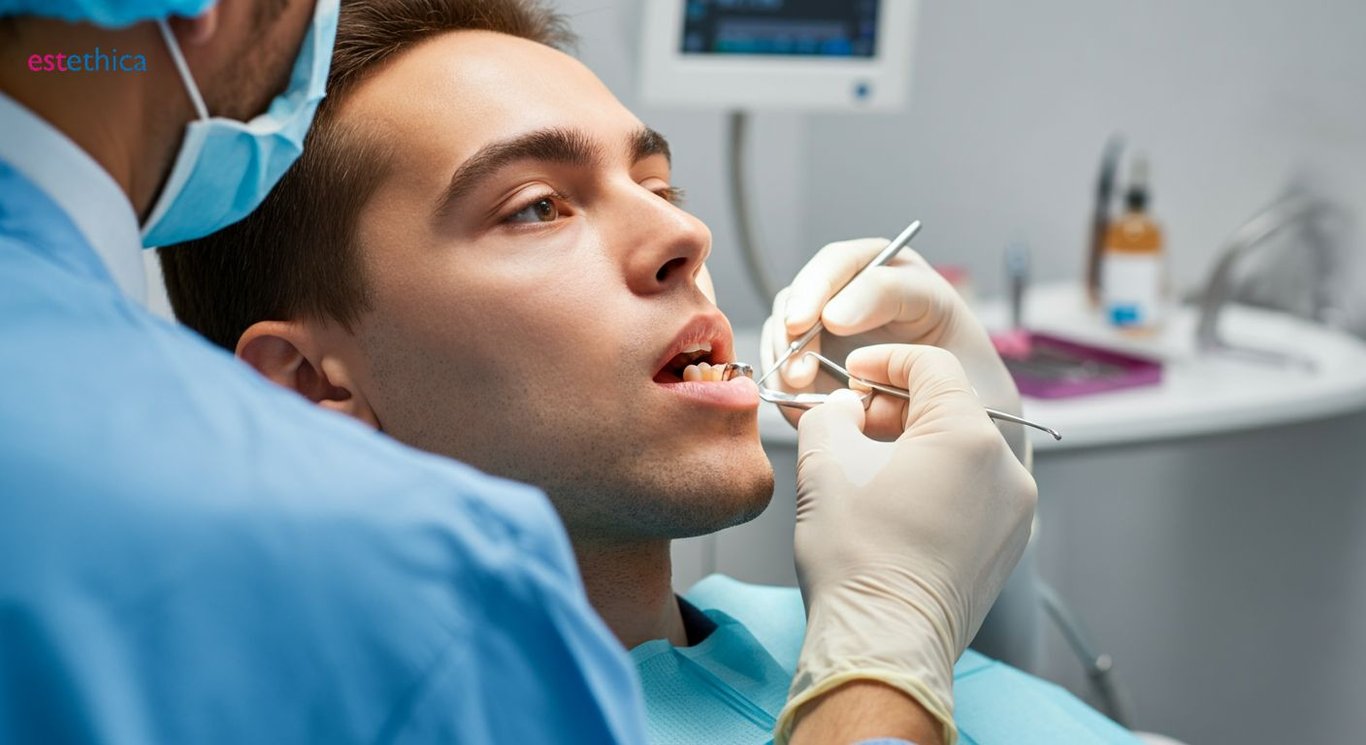
Are Dental Implants Safe and Effective?
Advancements in Implant Safety and Technology
Dental implants have become a cornerstone of modern dentistry, celebrated for their high success rate and safety. With a success rate exceeding 95%, they are a reliable option for tooth replacement. This impressive statistic is a testament to the continuous advancements in implant technology and oral surgery techniques. For example, the development of biocompatible materials like titanium has significantly reduced the risk of rejection and infection. Additionally, the precision of 3D imaging ensures accurate placement, minimizing complications and enhancing patient outcomes.
Factors Contributing to the Safety of Dental Implants
- Use of biocompatible materials that integrate seamlessly with the jawbone.
- Advanced imaging techniques for precise surgical planning.
- Continuous professional training and skill enhancement in oral surgery.
These factors collectively contribute to the safety and effectiveness of dental implants, making them a preferred choice for those seeking a permanent solution for missing teeth. As technology continues to evolve, the safety profile of dental implants is expected to improve even further, offering patients peace of mind and long-lasting results.
- Initial assessment to evaluate oral health and suitability for implants.
- Customized treatment planning using state-of-the-art technology.
- Post-operative care to ensure proper healing and integration.
These steps are essential in ensuring the success of dental implants, providing patients with a reliable and aesthetically pleasing solution for missing teeth. As the field of implant dentistry continues to innovate, patients can expect even more refined and effective treatments in the future.
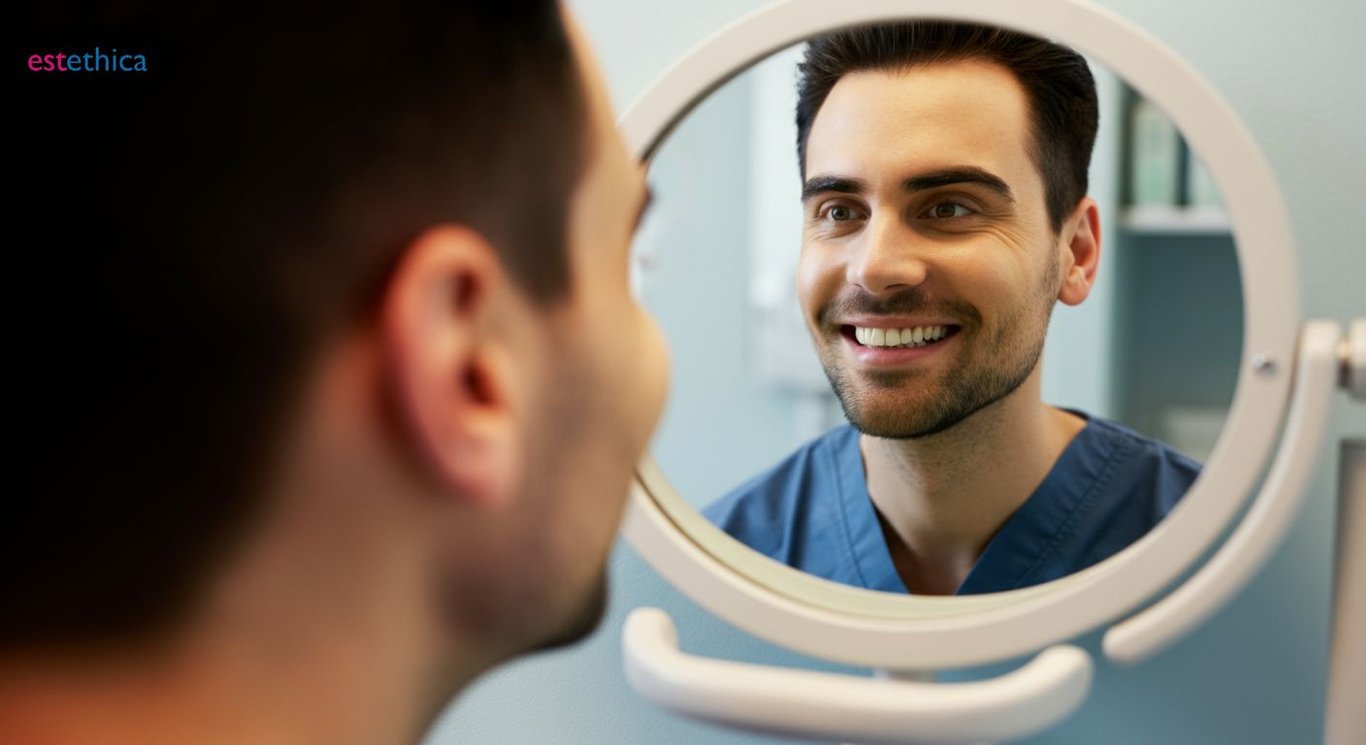
Discover the Latest Dental Implants Technology
Innovations in Dental Implant Materials
The field of dental implants is witnessing remarkable advancements, particularly in the materials used. Bio-compatible materials, such as zirconia and titanium alloys, are now at the forefront, offering enhanced integration with the jawbone. These materials not only improve the longevity of implants but also reduce the risk of complications. For instance, zirconia's natural tooth-like color provides superior aesthetics, making it an ideal choice for visible teeth replacements. Additionally, the use of titanium alloys ensures robust support, crucial for the durability of dental implants.
Technological Advances in Implant Placement
- 3D imaging technology allows for precise mapping of the jaw structure.
- Computer-aided design (CAD) enhances the customization of implants.
- Robotic-assisted surgery improves accuracy and reduces recovery time.
These technological innovations are revolutionizing implant dentistry, making procedures more efficient and outcomes more predictable. The integration of 3D imaging, for example, enables dentists to visualize the jawbone in detail, ensuring optimal implant placement. This precision minimizes the risk of nerve damage and enhances the overall success rate of the procedure.
- Initial consultation using advanced diagnostic tools.
- Customized implant design with CAD technology.
- Precision placement with robotic-assisted techniques.
These steps illustrate the cutting-edge approach to dental implant procedures, ensuring patients receive the most advanced care available. As technology continues to evolve, the future of dental implants looks promising, with even more innovations on the horizon to enhance patient outcomes and satisfaction.
The Economic Aspect: Dental Implants Cost
Understanding the Long-Term Value of Dental Implants
Investing in dental implants can initially seem costly, but their long-term value is significant. Unlike dentures or bridges, implants are designed to last a lifetime with proper care, reducing the need for frequent replacements. For example, while dentures may require adjustments or replacements every few years, implants offer a more permanent solution, saving money over time. Additionally, their durability minimizes maintenance costs, making them a cost-effective choice in the long run.
Factors Affecting the Cost of Dental Implants
- Material choice, such as zirconia, impacts both aesthetics and longevity.
- Complexity of the procedure, including any necessary bone grafting.
- Geographical location, influencing the overall expense due to regional variations.
These factors highlight the importance of understanding the cost structure when considering dental implants. By evaluating these elements, patients can make informed decisions about their dental health investments.
- Initial assessment to determine the best implant options.
- Customized treatment planning to address individual needs.
- Post-implant care to ensure longevity and success.
These steps are crucial in maximizing the benefits of dental implants, ensuring they remain a viable and economical solution for tooth replacement. As technology advances, the accessibility of affordable dental implants is expected to improve, offering more people the opportunity to benefit from this advanced solution.
Dental Implants in the Cultural Context
The Cultural Significance of Dental Implants
In today's society, dental implants have transcended their functional role, becoming symbols of modern aesthetics and health consciousness. As people increasingly prioritize oral health, the demand for dental implants has surged. For instance, in urban areas, having a perfect smile is often associated with professionalism and social status. This cultural shift has made dental implants a sought-after solution for those looking to enhance their appearance and confidence.
Cultural Factors Influencing Dental Implant Adoption
- Media portrayal of ideal beauty standards emphasizing flawless smiles.
- Increased awareness of oral health's impact on overall well-being.
- Social media influence driving the desire for aesthetic enhancements.
These cultural factors play a significant role in the growing popularity of dental implants. As societal norms evolve, the emphasis on maintaining a perfect smile continues to drive advancements in implant dentistry, making it more accessible and appealing to a broader audience.
- Initial consultation to align patient expectations with cultural trends.
- Customized treatment plans reflecting individual aesthetic goals.
- Post-procedure care focusing on maintaining the desired appearance.
These steps ensure that dental implants not only meet functional needs but also align with cultural expectations, providing patients with a comprehensive solution that enhances both their oral health and social confidence. As cultural perceptions continue to evolve, dental implants will likely remain at the forefront of aesthetic dentistry, reflecting the ongoing fusion of health and beauty in modern society.
Innovative Dental Implant Techniques with Advanced Materials
Excellence in Dental Implant Procedures with Proven Results
Frequently Asked Questions
How do dental implants work?
Are dental implants safe and effective?
What are the latest trends in dental implant technology?
What factors influence the cost of dental implants?
How long do dental implants last?
Discover the Art of Healthy Beauty with estethica. Schedule Your Free Consultation Today!
📞 Call Now for Expert Advice