

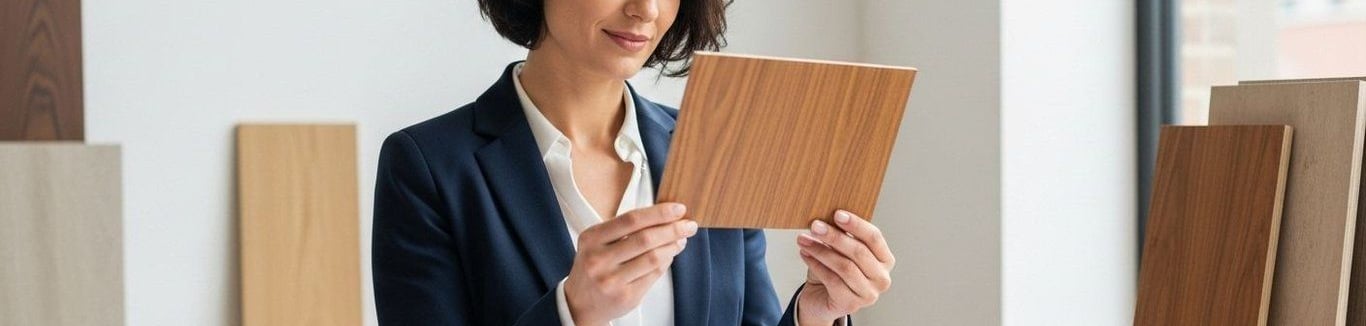
Discover the aesthetic versatility and practical applications of wood veneers, from their natural beauty and application techniques to essential care and maintenance for lasting elegance in any design project.
Step into a world of natural elegance with wood veneers, a timeless material that brings the authentic beauty of the forest into your living spaces. Unlike solid wood, veneers offer a unique way to appreciate intricate grain patterns and rich colors, making them a versatile choice for a multitude of applications. This guide will explore the allure of natural looking wood veneers, delve into the art of applying them, provide essential maintenance tips to ensure their longevity, and reveal the diverse ways these stunning materials can be utilized to enhance your environment. Prepare to be inspired by the subtle sophistication and inherent charm that only genuine wood veneers can provide.Exploring Natural Looking Wood Veneers for Your Projects
The profound appeal of natural looking wood veneers lies in their unparalleled ability to capture the genuine essence and unique character of various wood species. Each meticulously prepared sheet serves as a unique slice of nature itself, showcasing distinct grain patterns, characteristic knots, and subtle color variations that are virtually impossible to replicate with synthetic materials. This inherent authenticity makes decorative wood veneers a highly sought-after choice for discerning designers and homeowners alike who yearn for a deeper connection to the natural world within their living spaces. The sheer diversity available opens up an incredible spectrum of aesthetic possibilities. Imagine the dramatic, swirling patterns of walnut providing a rich focal point, or the subtle, linear elegance of maple offering a clean, contemporary backdrop. Whether your design ambition leans towards a warm, inviting rustic feel or a sleek, modern sophistication, the selection of the appropriate wood type for your project is absolutely paramount. Take a moment to consider the desired mood and the existing décor of the space when making your choice. For example, oak veneers consistently offer a classic, robust, and enduring presence, while cherry veneers can gracefully lend an air of refined warmth and subtle luxury. For those seeking a bolder, more contemporary statement, exotic species like zebrawood or ebony can introduce striking visual interest and undeniable drama. The inherent beauty of these types of veneers is their remarkable capacity to mimic the exquisite appearance of solid wood, often at a significantly more accessible price point, while simultaneously offering enhanced stability and an impressively wider array of design opportunities. Embracing natural looking wood veneers means thoughtfully inviting unparalleled character and a touch of organic artistry into any design endeavor, ensuring a truly unique and captivating finish every single time. For those interested in exploring alternatives that also offer aesthetic enhancement, considering resources like Porcelain Veneers: Your Ultimate Guide to a Flawless Smile can provide additional insights into transformative cosmetic options.
Unlocking Aesthetic Potential with Diverse Wood Species
The world of wood veneers offers an astonishing variety of species, each contributing its unique visual signature to interior design projects. From the deeply rich and earthy tones of walnut, known for its intricate grain patterns, to the lighter, more uniform textures of maple, which lend themselves to minimalist aesthetics, there is a wood veneer to suit virtually any design vision. Cherry wood, with its warm, reddish hue that deepens beautifully over time, offers a timeless elegance, while oak, a perennial favorite, provides strength and a classic, natural appeal through its prominent grain. For those aiming for a touch of the exotic, species like teak can bring a luxurious, tropical feel, and ebony offers a dramatic, dark contrast. These materials allow designers to achieve the look and feel of premium solid wood without the associated costs and potential for warping, making them an incredibly versatile choice for furniture, cabinetry, wall paneling, and even architectural features.
Considering Application and Overall Ambiance
When selecting your wood veneers, it’s essential to think about the intended application and the overall ambiance you wish to create. A living room might benefit from the warmth of cherry or the robust character of oak for cabinetry or wall accents. A modern office space could be elevated by the clean lines of maple or the striking contrast of zebrawood on desk surfaces or reception areas. Even smaller projects, like decorative boxes or custom shelving, can be transformed with the unique beauty of specific wood grain patterns. The adaptability of these finishes allows for creative expression across a wide range of surfaces, providing a tactile and visual connection to nature that manufactured materials simply cannot replicate. Properly chosen, these finishes enhance the space, creating an environment that feels both sophisticated and grounded.

Expert Guide: How to Apply Wood Veneers Seamlessly
Achieving a flawless finish when applying wood veneers requires meticulous attention to detail and a methodical approach. While the process might seem daunting, understanding the fundamental steps ensures stunning, professional results that truly showcase the inherent beauty of the material. The journey to seamless application begins with meticulous substrate preparation. Ensure the surface you’re working on is impeccably clean, thoroughly dry, and perfectly smooth. Any imperfections on the base material will inevitably transfer to the veneer. Before making any cuts, measure your final dimensions and then cut your wood veneer slightly larger. This extra margin provides crucial flexibility for trimming and ensures a perfect fit without exposing raw edges.
Preparing Your Surface and Veneer
For paper-backed wood veneers, common adhesives include high-quality contact cement or specialized veneer glues. Uniform application is key; spread the chosen adhesive evenly across both the veneer and the prepared substrate. Patience is vital during this stage; allow the adhesive to reach the manufacturer-recommended tackiness before proceeding. This critical step ensures optimal bonding. When you're ready to join the pieces, begin by aligning one edge precisely. Then, gently work your way across the surface, employing a veneer roller or a clean block of wood. This action is instrumental in expelling any trapped air bubbles and establishing a robust, lasting bond between the veneer and its foundation.
Finishing Touches for a Professional Look
To achieve crisp, clean edges, especially on unfinished sides, a router equipped with a flush-trim bit is the professional's tool of choice. For smaller projects or more delicate work, a sharp utility knife paired with a sturdy metal straight edge can also yield excellent results. Remember, haste is the enemy of precision in veneer application. Rushing through the process significantly increases the risk of tears, misalignments, or unsightly bubbles. For those tackling intricate shapes or challenging curved surfaces, consider the convenience of pre-glued or peel-and-stick wood veneers. These specialized products simplify the application significantly, making the process more accessible. Just as there are techniques for perfect finishes, there are also considerations for related applications; for instance, if you're interested in cosmetic enhancements, you might find the insights in Transform Your Smile: Dental Veneers & Cosmetic Dentistry to be quite informative. The ultimate goal of careful application is to make your natural looking wood veneers appear as an integral, seamless part of the furniture or surface they enhance, providing a sophisticated and organic aesthetic. Applying decorative wood veneers with care ensures longevity and visual appeal.
Essential Wood Veneer Maintenance Tips for Lasting Elegance
To preserve the exquisite appearance and ensure the longevity of your beautifully finished wood veneers, regular and appropriate care is paramount. Understanding how to properly maintain these natural looking wood veneers is crucial for extending their lifespan and maintaining their inherent aesthetic appeal. The primary goal in caring for your wood veneer surfaces is to protect them from damage and environmental factors that can degrade their finish and integrity over time.
Routine Cleaning and Protection
The foundational step in wood veneer maintenance involves consistent, gentle dusting. Utilize a soft, dry cloth, such as microfiber, to regularly remove accumulated dust. It is vital to avoid abrasive cleaners or harsh chemicals, as these can strip away the protective finish and potentially damage the delicate veneer itself. For those occasional moments when a deeper clean is necessary, opt for a slightly damp cloth. Crucially, follow immediately with a dry cloth to ensure no moisture lingers on the surface, preventing potential swelling or unsightly discoloration. Promptly attend to any spills; immediate wiping is key to preventing moisture from penetrating the material. Always employ coasters and placemats when placing hot or wet items on your veneered furniture to create a protective barrier. Furthermore, be mindful of direct sunlight, which can cause significant fading over extended periods. Consider using curtains, blinds, or even UV-filtering films to shield your precious wood veneers from prolonged and intense light exposure.
Restoring Shine and Addressing Minor Imperfections
Over time, even with diligent care, the finish on your wood veneers might begin to lose its luster or show minor superficial scratches. In such instances, a high-quality furniture polish or wax specifically formulated for wood finishes can work wonders in restoring its natural shine and depth. These products help to rejuvenate the surface, bringing back its original warmth and vibrancy. For more significant damage, such as deep gouges or peeling veneer, professional restoration services are often the best course of action. However, with consistent, gentle, and proactive care, your pieces made from natural looking wood veneers will undoubtedly retain their inherent beauty and character for many years to come, embodying a timeless elegance that enhances any living space.
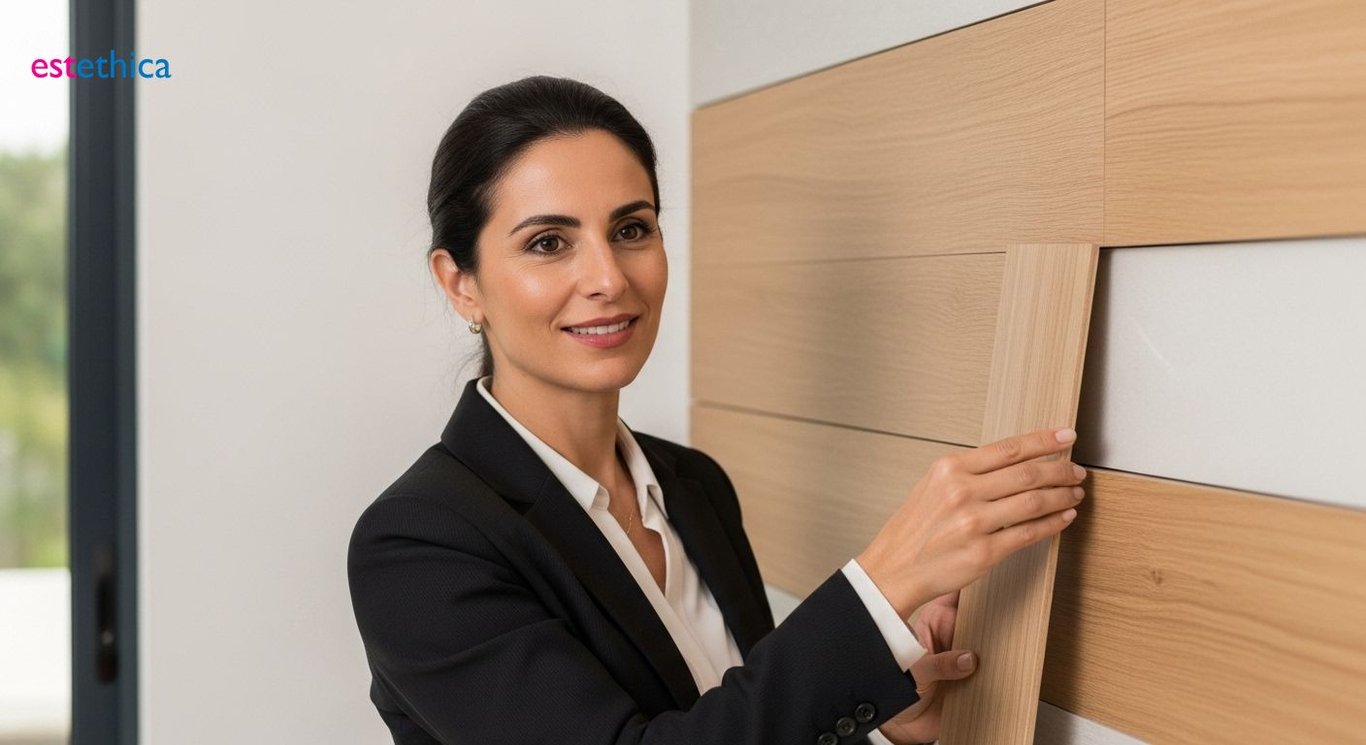
What Are Wood Veneers Used For? Applications Explained
The incredible adaptability of wood veneers means they are integrated into an astonishing array of applications, elevating everything from fine furnishings to crucial architectural elements. Primarily, these thin slices of wood are employed to provide a decorative surface. You will most commonly find them adorning furniture, kitchen cabinetry, interior doors, and wall paneling. This application offers the rich aesthetic appeal of solid wood but with significantly greater design flexibility and often a more cost-effective solution. In the realm of interior design, natural looking wood veneers are specifically chosen to craft impactful statement walls, bespoke fitted cabinets, and custom millwork, injecting warmth and authentic texture into living and working spaces. They are also a highly favoured option for creating sophisticated flooring and wall coverings, delivering a polished and natural-looking finish that enhances any environment.
Transforming Spaces with Versatile Applications
Beyond the typical interior applications, the utility of wood veneers extends further. You'll notice their presence in the automotive industry, where they are expertly utilized for dashboard accents and interior trim, lending an unmistakable touch of luxury and refined craftsmanship to vehicles. The diverse range of wood types available for these coverings, encompassing everything from common, widely-used species to more exotic and rare selections, ensures that they can be tailored to complement virtually any design aesthetic. Whether your style leans towards the traditional, the rustic, or the ultra-modern, there is a veneer to match. The inherent thinness of wood veneers makes them exceptionally well-suited for application onto curved or intricate surfaces. This characteristic unlocks possibilities for unique design features that would prove exceedingly challenging or even impossible to achieve with solid timber alone. The application areas truly span the full spectrum of contemporary design and traditional craftsmanship, underscoring the enduring value and widespread appeal of these exceptional materials.
Furthermore, these materials serve as an excellent choice for smaller decorative items, such as picture frames, boxes, and decorative accents, adding a premium feel. The ability to achieve a seamless look across large surfaces or to create intricate patterns makes them invaluable for bespoke projects. The consistent beauty and predictable grain patterns that wood veneers offer contribute significantly to their popularity among designers and homeowners alike. When considering the creation of elegant and natural looking wood veneers surfaces, understanding their diverse applications is key to unlocking their full potential in any project.

Discovering Natural Wood Veneers: A Comprehensive Guide
Explore the unparalleled appeal of natural looking wood veneers, which capture the genuine essence and unique character of various wood species. These thin wood sheets showcase distinct grain patterns and subtle color variations, offering an authentic touch that synthetic materials cannot replicate. Learn how to select the perfect veneer to enhance your projects, appreciating the inherent beauty of real wood veneers.
Understand the diverse applications of decorative wood veneers, from furniture and cabinetry to doors and architectural elements. We delve into the aesthetic potential of different wood types for veneers, helping you choose based on the desired ambiance and the specific application area. This guide highlights the versatility of wood veneers in transforming spaces with natural elegance.
Expert insights into the world of wood veneers are provided, covering everything from their natural beauty to their practical use. The content emphasizes the unique visual signature each wood species brings to interior design projects, drawing from a deep understanding of material properties and aesthetic principles. This ensures that readers receive authoritative guidance on leveraging the full potential of these decorative wood veneers.
Transforming Spaces with Versatile Wood Veneer Applications
Discover the vast array of applications for wood veneers, demonstrating their incredible adaptability. From enhancing the aesthetics of furniture veneers and cabinet veneers to adding character to doors and interior design elements, these thin wood sheets elevate any space. Explore how custom veneers and architectural veneers can create unique, sophisticated environments.
The guide explains what wood veneers are used for, highlighting their role in creating beautiful and functional surfaces. Whether you're undertaking a DIY project or a large-scale renovation, understanding the uses of wood veneers ensures you can leverage their natural charm and versatility effectively. Learn how to care for wood veneer surfaces to maintain their pristine condition.
Trust in the timeless beauty and versatility of wood veneers to enhance your projects. The content ensures you have the knowledge to apply them correctly and maintain their elegance, making them a reliable choice for adding natural warmth and sophistication to any interior. Users can be confident in achieving stunning results with these real wood veneers.