


Unlock the secrets of dental implants, your gateway to a complete and beautiful smile. Explore the latest advancements today.
Dental implants are revolutionizing the way we approach oral health and tooth replacement. They offer an aesthetically pleasing and functional solution for those missing teeth, with innovations that continue to improve their safety and accessibility. This comprehensive guide will walk you through understanding how dental implants work, their safety, and how to choose the best options near you.
Understanding How Dental Implants Work
Exploring the Process of Osseointegration
Dental implants are a revolutionary solution for tooth replacement, offering a natural look and feel. The key to their success lies in a process called osseointegration. This involves the implant fusing with the jawbone, creating a stable foundation for artificial teeth. For instance, a titanium post is surgically placed into the jaw, where it gradually integrates with the bone over a few months. This integration mimics the natural root structure of a tooth, providing durability and strength.
Benefits of Dental Implants
- Enhanced stability compared to traditional dentures, ensuring comfort during eating and speaking.
- Preservation of jawbone density, preventing bone loss that often occurs with missing teeth.
- Long-term solution with proper care, potentially lasting a lifetime.
These benefits make dental implants a preferred choice for many seeking permanent tooth replacement. By maintaining the integrity of the jawbone and providing a secure base, they offer a reliable alternative to other methods.
Steps to Achieve Successful Dental Implants
- Initial consultation and assessment to determine suitability for implants.
- Surgical placement of the implant post into the jawbone.
- Attachment of the crown after osseointegration is complete.
Each step is crucial for ensuring the implant's success and longevity. By following these stages, patients can achieve a functional and aesthetically pleasing result. For more insights into how dental implants can transform your smile, visit Unlock Your Confidence with Dental Implants.
Exploring the Safety of Dental Implants
Understanding the Biocompatibility of Dental Implants
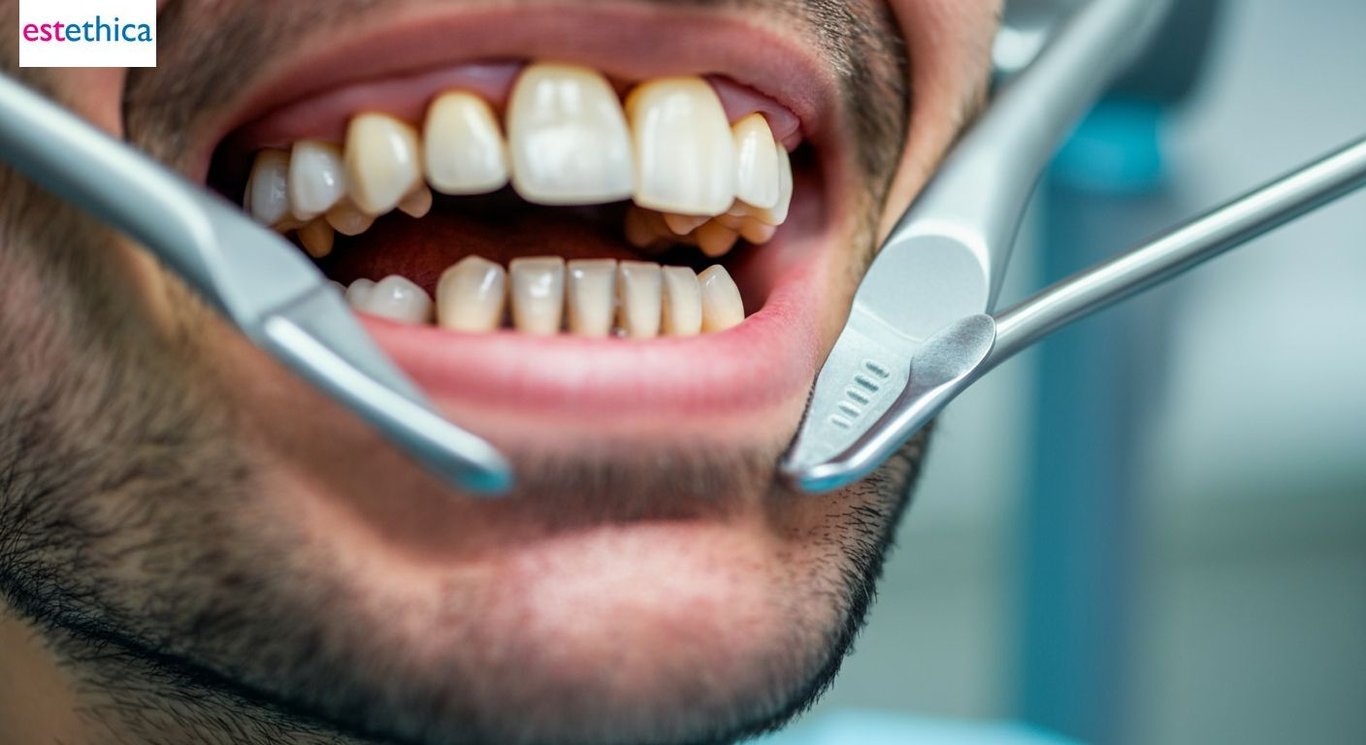
Dental implants are renowned for their safety, largely due to the use of biocompatible materials like titanium. This metal is favored in implant dentistry because it integrates seamlessly with human bone, minimizing the risk of rejection. For example, titanium's unique properties allow it to bond with the jawbone, creating a stable and durable foundation for artificial teeth. This process, known as osseointegration, is crucial for the long-term success of dental implants.
Factors Influencing Dental Implant Success
- Patient's overall health and bone density play a significant role in implant success.
- Proper oral hygiene is essential to prevent infections and ensure longevity.
- Experienced oral surgeons can significantly enhance the success rate of implants.
These factors highlight the importance of a comprehensive approach to implant dentistry, ensuring that each patient receives personalized care tailored to their specific needs.
Steps to Ensure Safe Dental Implant Procedures
- Conduct thorough pre-surgical assessments to evaluate patient suitability.
- Utilize advanced imaging techniques for precise implant placement.
- Implement post-operative care protocols to monitor healing and integration.
By adhering to these steps, dental professionals can maximize the safety and effectiveness of dental implant procedures, offering patients a reliable solution for missing teeth.
Choosing the Best Dental Implants Near You
Evaluating Provider Expertise and Technology
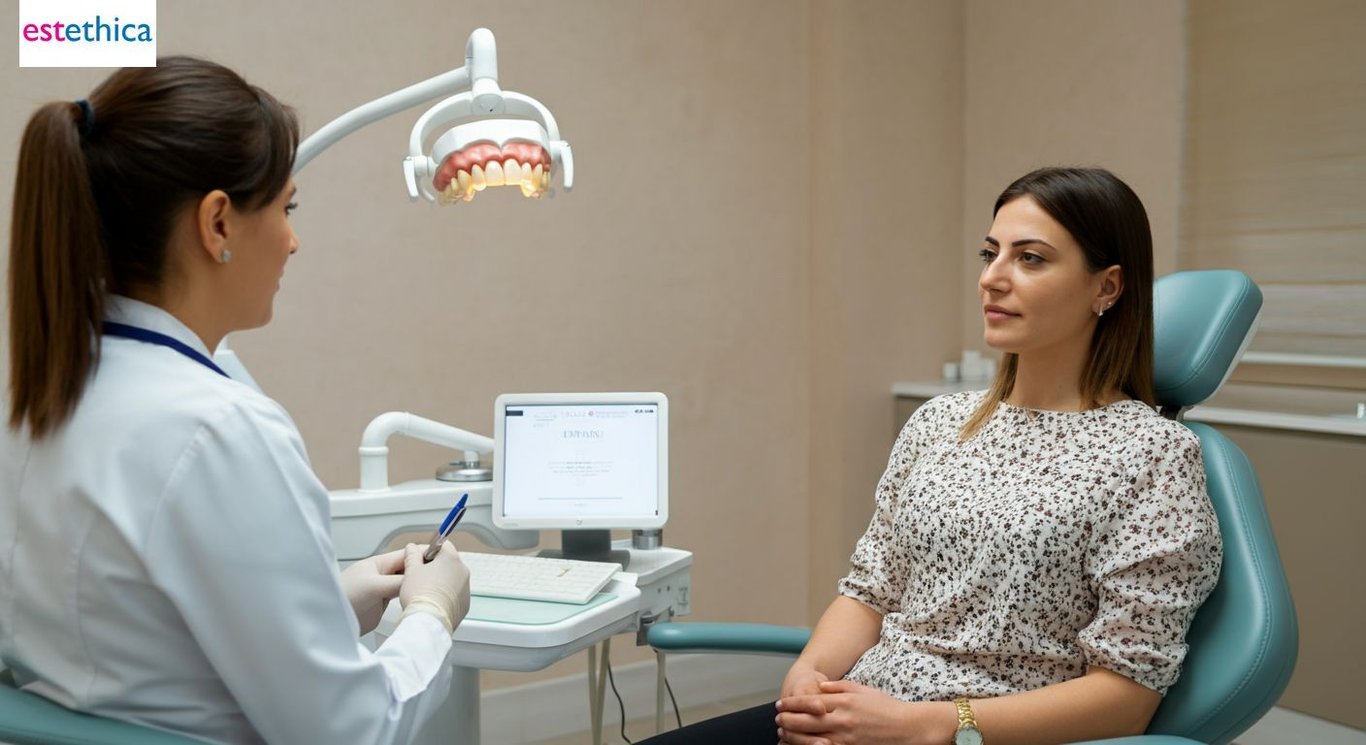
When selecting a provider for dental implants, it's crucial to assess their expertise and the technology they use. Experienced practitioners often have a track record of successful implant procedures, which can be verified through patient reviews. For example, a dentist with over a decade of experience in implant dentistry is likely to have refined their techniques, ensuring better outcomes. Additionally, the use of advanced technology, such as 3D imaging, can enhance precision in implant placement, reducing the risk of complications.
Understanding the Impact of Location on Dental Implant Costs
- Urban areas may offer a wider range of providers, potentially affecting pricing structures.
- Rural locations might have fewer specialists, influencing availability and cost.
- Regional economic factors can lead to significant cost variations.
These factors highlight the importance of considering location when planning for dental implants. By understanding how geographical differences affect costs, patients can make informed decisions about where to seek treatment.
- Research local providers and compare their experience and technology offerings.
- Read patient reviews to gauge satisfaction and outcomes.
- Consider the impact of location on cost and availability of services.
By following these steps, individuals can choose the best dental implant provider for their needs, ensuring a successful and satisfactory experience.

Latest Innovations in Implant Dentistry
Revolutionizing Dental Implants with Digital Planning
Digital planning has become a cornerstone in modern implant dentistry, offering unparalleled precision and customization. By utilizing advanced software, dentists can create a virtual model of a patient's mouth, allowing for meticulous planning of implant placement. For example, digital simulations enable practitioners to visualize the optimal position for implants, reducing the risk of complications. This technology also facilitates the creation of custom surgical guides, ensuring accuracy during the procedure.
3D Imaging: A Game Changer in Implant Procedures
- 3D imaging provides detailed views of the jawbone, aiding in precise implant placement.
- It enhances diagnostic capabilities, allowing for early detection of potential issues.
- Improves patient communication by visually demonstrating the procedure and expected outcomes.
These advancements in imaging technology have significantly improved the success rates of dental implants, offering patients a more predictable and efficient treatment experience.
- Begin with a comprehensive digital scan of the patient's oral cavity.
- Utilize the data to plan the implant procedure with precision.
- Execute the surgery using custom guides for optimal results.
By integrating these innovative technologies, dental professionals can enhance the quality and efficiency of implant procedures, ultimately benefiting patients with improved outcomes and satisfaction.
Understanding Dental Implant Costs
Factors Influencing the Price of Dental Implants
The cost of dental implants is influenced by several factors, making it essential to understand what contributes to the overall expense. One significant factor is the type of implant used. For instance, some implants are designed for immediate placement, while others require a more extended integration period. Additionally, the number of teeth being replaced can impact the cost, as multiple implants may be necessary for full-mouth restoration.
Additional Procedures Affecting Implant Costs
- Bone grafts may be required if the jawbone lacks sufficient density to support implants.
- Sinus lifts can be necessary for upper jaw implants, adding complexity to the procedure.
- Soft tissue grafts might be needed to ensure proper gum health and aesthetics.
These additional procedures can significantly influence the overall cost of dental implants, as they require specialized skills and materials.
- Consult with a dental professional to assess the need for supplementary procedures.
- Evaluate the type and number of implants required for your specific case.
- Consider the long-term benefits of investing in comprehensive dental care.
Understanding these factors can help patients make informed decisions about their dental implant journey, ensuring they receive the best possible care tailored to their needs.
Dental Implants for Missing Teeth
Restoring Functionality and Aesthetics with Dental Implants
Dental implants are a transformative solution for individuals with missing teeth, offering both functional and aesthetic benefits. Unlike traditional dentures, implants provide a permanent and stable foundation for artificial teeth, closely mimicking the natural tooth structure. For example, a single missing tooth can be replaced with an implant-supported crown, restoring the ability to chew effectively and speak clearly. Additionally, implants help maintain facial structure by preventing bone loss, which often occurs after tooth loss.
Advantages of Dental Implants for Oral Health
- Preservation of adjacent teeth by eliminating the need for bridgework.
- Improved oral hygiene as implants do not require special cleaning solutions.
- Enhanced comfort and confidence due to their natural appearance and feel.
These advantages make dental implants a preferred choice for those seeking a long-term solution to tooth loss, ensuring both oral health and self-esteem are maintained.
- Consult with a dental professional to assess implant suitability.
- Undergo a comprehensive evaluation of oral health and bone density.
- Proceed with the implant procedure to restore missing teeth effectively.
By following these steps, individuals can achieve a functional and aesthetically pleasing smile, significantly enhancing their quality of life. Dental implants not only restore the ability to eat and speak comfortably but also contribute to overall oral health by maintaining the integrity of the jawbone and surrounding teeth.
Advanced Osseointegration Techniques in Dental Implants
Ensuring Safety and Success in Dental Implant Procedures
Frequently Asked Questions
How do dental implants work?
Are dental implants safe?
What are the benefits of dental implants compared to traditional dentures?
What factors influence the success of dental implants?
How can I choose the best dental implants near me?
Discover the path to 'Healthy Beauty' with estethica's expert care. Call now for your free consultation and take the first step towards a more confident you!
📞 Call for Your Free Consultation