


Join estethica on a journey to sustainable fashion. Discover eco-friendly choices and embrace ethical brands for a better tomorrow.
Sustainable fashion is more than just a stylish trend; it's an essential movement aimed at curbing the environmental impact of clothing production and consumption. At estethica, we believe in advancing this movement by integrating sustainability into the core of our design philosophy. This comprehensive guide will lead you through the essential aspects of sustainable fashion, offering insights into eco-friendly materials, ethical brands, and innovative fashion practices that champion a zero-waste philosophy. Join us as we unveil the principles of sustainable fashion and how estethica is contributing to a greener future.
Understanding Sustainable Fashion: A Comprehensive Guide
Exploring the Aesthetic Beauty of Sustainable Fashion
Sustainable fashion is not only about ecological integrity but also about embracing aesthetic beauty. The allure of eco-friendly clothing lies in its ability to combine style with sustainability. For instance, garments made from organic cotton or recycled materials offer a lux aesthetic that appeals to environmentally conscious consumers. These materials not only reduce the carbon footprint but also enhance the romantic aesthetic of fashion, making each piece unique and meaningful.
Key Features of Sustainable Fashion
- Use of organic materials like bamboo and hemp, which are biodegradable and sustainable.
- Adoption of ethical labor practices ensuring fair wages and safe working conditions.
- Promotion of zero waste fashion through upcycling and recycling initiatives.
These features not only contribute to a new aesthetic in the fashion industry but also support social justice and environmental preservation.
Steps to Embrace Sustainable Style
- Choose clothing made from eco-friendly materials, such as organic cotton or Tencel.
- Support ethical fashion brands that prioritize fair trade and transparent supply chains.
- Incorporate upcycled clothing into your wardrobe to reduce waste and promote circular fashion.
By following these steps, you can contribute to a more sustainable future while enjoying the aesthetic beauty of conscious clothing. For more insights on enhancing accessibility in sustainable fashion, explore the NVDA Screen Reader.

Choosing Eco-Friendly Clothing: Tips for Conscious Shoppers
Identifying Ethical Fashion Brands
Conscious shoppers can identify ethical fashion brands by looking for certifications such as the Global Organic Textile Standard (GOTS) or Fair Trade labels. These certifications ensure that the clothing is made under ethical labor conditions and from sustainable materials. For example, brands like Patagonia and People Tree are known for their commitment to ethical practices and eco-friendly clothing. By supporting such brands, consumers contribute to a sustainable fashion industry that values both people and the planet.
Best Practices for Sustainable Fashion Choices
- Check labels for certifications like GOTS or Fair Trade to ensure ethical production.
- Opt for clothing made from organic cotton, bamboo, or recycled materials.
- Support local brands to reduce transportation emissions and promote community growth.
These practices not only enhance the aesthetic beauty of your wardrobe but also align with a lux aesthetic that values sustainability and ethical production.
Steps to Incorporate Eco-Friendly Clothing
- Research brands that prioritize sustainable and ethical practices.
- Choose garments made from eco-friendly materials like organic cotton or bamboo.
- Support local designers to minimize environmental impact and embrace a new aesthetic in fashion.
By following these steps, you can enjoy the romantic aesthetic of eco-friendly clothing while contributing to a more sustainable fashion industry. This approach not only supports ethical fashion brands but also promotes a conscious clothing culture that values both style and sustainability.

Exploring Ethical Fashion Brands: Where to Start
Understanding the Lux Aesthetic of Ethical Fashion Brands
Starting with well-established ethical fashion brands is a great step toward a conscientious wardrobe. Brands like Patagonia, which focus on transparency and sustainability, or smaller local brands that offer transparency in their supply chains, are examples. Consumers should prioritize brands that are committed to ethical labor practices and sustainable sourcing. These brands often incorporate a lux aesthetic, combining high-quality materials with sustainable practices, creating garments that are both stylish and environmentally friendly.
Key Characteristics of Ethical Fashion Brands
- Commitment to transparency in supply chains, ensuring ethical labor practices.
- Use of sustainable materials like organic cotton and recycled fabrics.
- Focus on reducing environmental impact through eco-friendly production methods.
These characteristics not only contribute to a new aesthetic in fashion but also support a sustainable future.
Steps to Discover Ethical Fashion Brands
- Research brands that prioritize sustainability and ethical practices.
- Look for certifications such as Fair Trade or GOTS on clothing labels.
- Support local brands to reduce carbon footprint and embrace a romantic aesthetic in fashion.
By following these steps, you can enjoy the aesthetic beauty of ethical fashion while contributing to a more sustainable industry. This approach not only supports ethical fashion brands but also promotes a conscious clothing culture that values both style and sustainability.
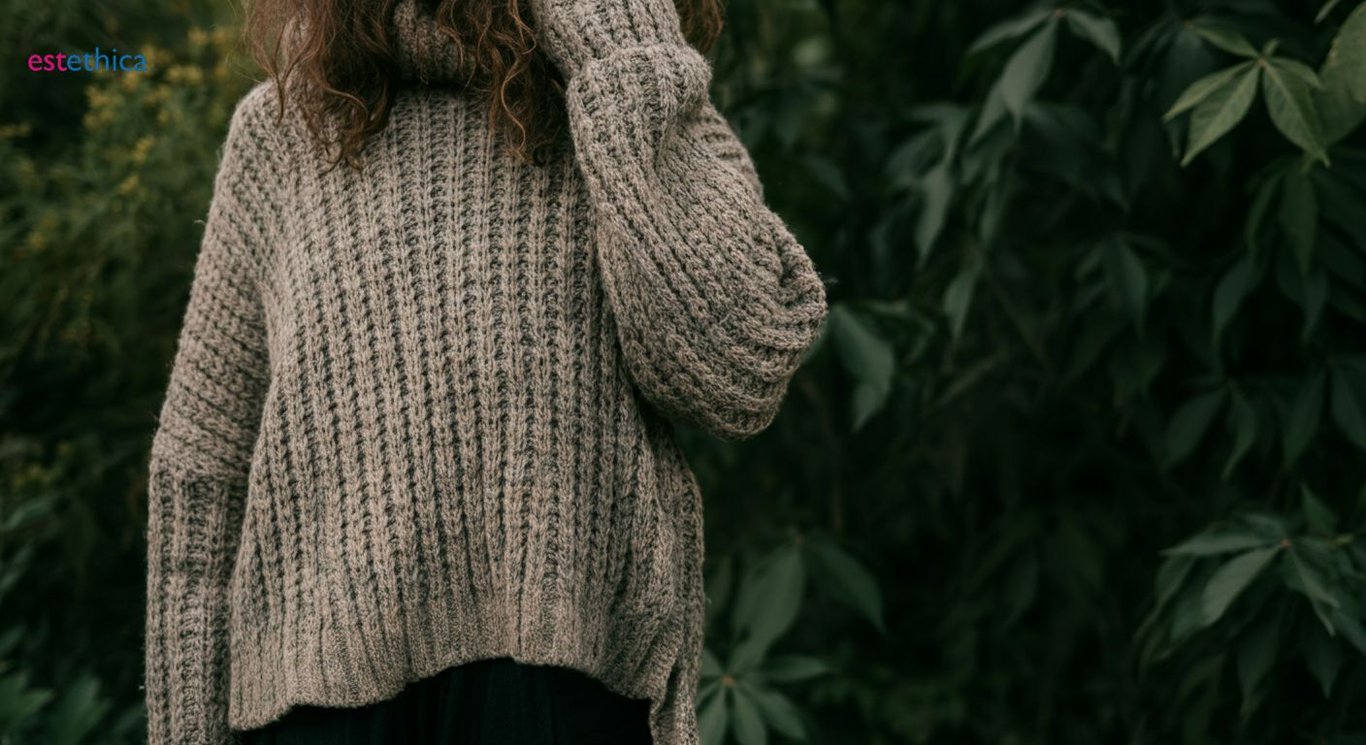
The Rise of Circular Fashion: Embrace Zero Waste
Innovative Approaches to Circular Fashion
Circular fashion is revolutionizing the industry by minimizing waste through innovative recycling and upcycling techniques. Brands are increasingly adopting models that require them to take back used garments for recycling or reuse. For example, H&M's garment collection program encourages customers to return old clothes, which are then recycled into new products. Similarly, Eileen Fisher's Renew program refurbishes and resells used garments, extending their lifecycle and reducing waste. This approach not only fosters sustainable consumption but also enhances the aesthetic beauty of fashion by giving products a new aesthetic appeal.
Key Benefits of Circular Fashion
- Reduces environmental impact by minimizing textile waste through recycling initiatives.
- Promotes sustainable style by extending the lifecycle of garments and reducing resource consumption.
- Encourages consumer participation in eco-friendly clothing practices, fostering a conscious clothing culture.
These benefits contribute to a lux aesthetic in fashion, where sustainability and style coexist harmoniously, creating a romantic aesthetic that appeals to environmentally conscious consumers.
Steps to Embrace Circular Fashion
- Participate in clothing take-back programs offered by brands to recycle or upcycle old garments.
- Choose brands that prioritize circular fashion models and sustainable practices.
- Incorporate upcycled clothing into your wardrobe to support zero waste fashion initiatives.
By following these steps, you can enjoy the aesthetic beauty of circular fashion while contributing to a more sustainable industry. This approach not only supports ethical fashion brands but also promotes a conscious clothing culture that values both style and sustainability.
Innovative Circular Fashion Practices
Commitment to Ethical Fashion Practices
Frequently Asked Questions
What is sustainable fashion and why is it important?
How can I identify ethical fashion brands?
What are the benefits of circular fashion?
How can I incorporate eco-friendly clothing into my wardrobe?
What steps can I take to embrace zero waste fashion?
Discover the Path to Healthy Beauty with estethica's Expert Care. Call Now for Your Free Consultation!
📞 Speak with Our Specialists Today!