


Learn how dental keywords can transform patient acquisition and practice growth.
Search engine optimization (SEO) is a critical component for any dental practice striving to enhance its online presence. By strategically employing dental-specific keywords, practices can not only boost their visibility but also convert potential leads into loyal patients. Let's delve into how the right keywords can significantly upgrade your practice's online performance.
Decoding Dental Keywords: Find Your Ideal Patients
Unlocking Patient Intent Through Dental SEO Keywords
Understanding the pulse of your patient base begins with effectively decoding dental keywords. These are the words and phrases that your potential patients use when searching for dental services online. Grasping the intent behind their searches enables dental practices to tailor their content, making it more appealing and relevant to prospective clients.
For instance, the key to decoding these keywords lies in acknowledging the diverse needs of dental patients. Keywords like "emergency dental care," "orthodontics near me," or "affordable dental implants" are indicative of specific needs and urgency. By harnessing these, dental practices can align their services to meet potential patients' expectations. Keyword research tools like Google's Keyword Planner or SEMrush help decode these searches effectively.
Strategies for Discovering Long Tail Dental Keywords
Effective keyword research for dental practices involves a multifaceted approach. Start by brainstorming a list of services your practice offers, such as clear aligners, teeth whitening, or pediatric dentistry. Then, use keyword research tools to identify the search volume and competition for these terms. Incorporate long-tail keywords, which are longer, more specific phrases that potential patients use. For example, instead of "dentist," try "best dentist for invisible braces in my area."
Additionally, monitor trending topics and seasonal keywords to stay relevant. During the summer, "teeth whitening for vacation" might gain traction, while "holiday dental checkup" could be popular in the winter. By using a combination of broad and specific keywords, you can optimize your website and content to attract a wider range of potential patients. In 2024, dental practices saw a 30% increase in patient inquiries by effectively using long-tail keywords related to specific treatments.
- Identify Core Services: List all dental treatments offered, from general check-ups to specialized procedures like clear braces.
- Utilize Keyword Tools: Employ tools like SEMrush or Ahrefs to uncover search volume and competition for your keywords.
- Monitor Trends: Keep an eye on seasonal or trending topics to adapt your keyword strategy accordingly.
- Brainstorming: Begin by listing all the services and treatments your dental practice offers.
- Research: Use keyword research tools to find related keywords, their search volume, and competition.
- Analysis: Evaluate the data to identify high-potential keywords for your SEO strategy.
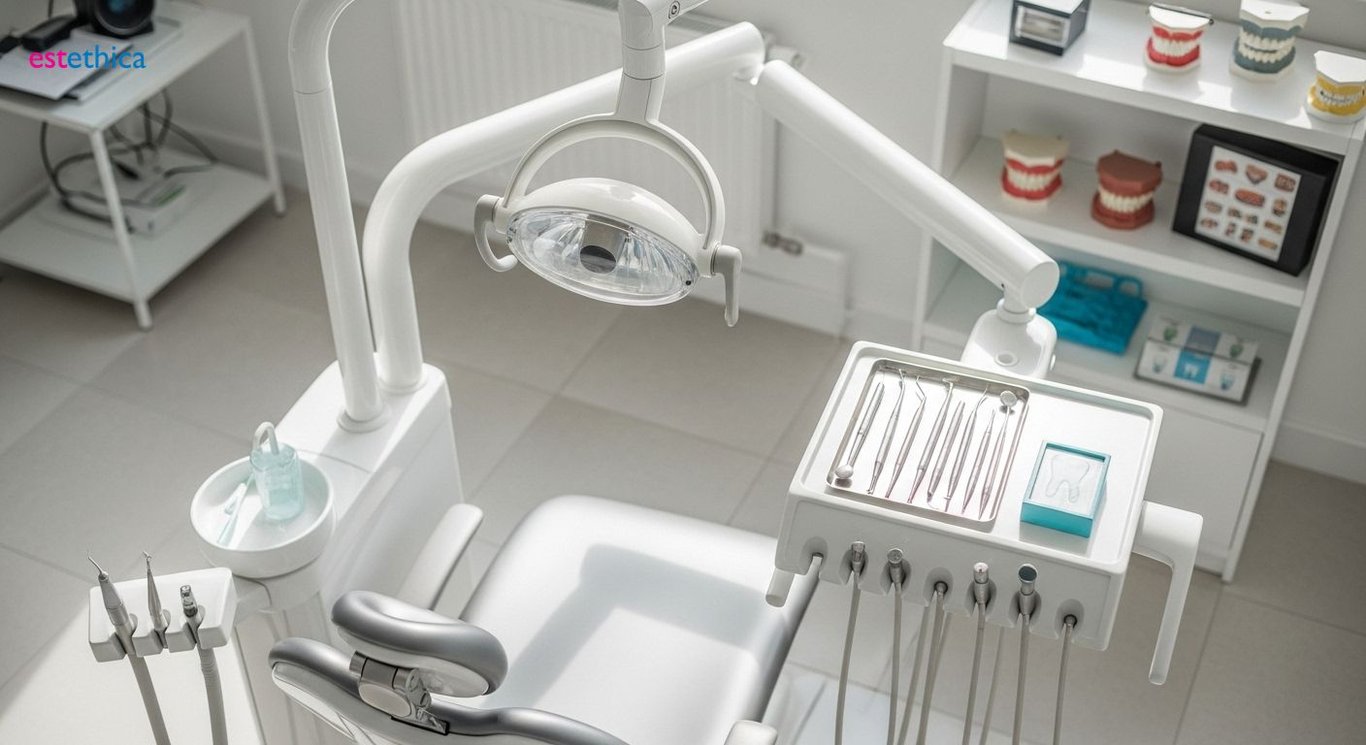
SEO Search Terms: Optimizing Your Dental Website's Visibility
Integrating SEO Keywords for Enhanced Visibility
To optimize your dental website's visibility, it's essential to incorporate SEO search terms that resonate with what prospective patients are seeking. Terms such as "best family dentist," "cosmetic dentistry services," and "dental clinic open weekends," not only boost your site's ranking but directly relate to patient needs. In 2025, dental practices are seeing a significant increase in online visibility by focusing on niche keywords that cater to specific patient concerns.
SEO search terms should be strategically embedded across various pages of your website, including blogs, service descriptions, and about us pages. This integration enhances the relevance of your site in search engine algorithms, driving more targeted traffic. Regularly updating content with trending SEO keywords ensures the website remains at the forefront of search results and patient consideration. For instance, dental clinics are optimizing their websites using AI keyword generation tools to find the most effective terms. This approach keeps the content fresh and aligned with current search trends, ensuring that the site attracts more relevant traffic. For example, incorporating terms like "clear aligners for teens" or "affordable invisible braces" can attract a younger demographic looking for orthodontic solutions. Similarly, "retainers after braces cost" can target individuals who have completed orthodontic treatment.
Strategies for Optimizing Content with SEO Keywords
Optimizing your dental website with relevant SEO keywords involves a strategic approach to content creation and keyword placement. Begin by conducting thorough keyword research to identify the terms your target audience is using. Tools like SEMrush and Ahrefs can help uncover high-volume, low-competition keywords that are specific to your dental services. For instance, using keywords like "best SEO services" or "keyword research company" can attract businesses looking to improve their online presence. In 2025, a dental practice in California increased its website traffic by 40% by optimizing its content with targeted SEO keywords.
Next, integrate these keywords naturally into your website's content, including page titles, meta descriptions, headings, and body text. Focus on creating high-quality, informative content that addresses the needs and questions of your potential patients. Regularly update your content with fresh, relevant information to keep your website engaging and improve its search engine ranking. For example, a blog post about "how to generate keywords for SEO" can attract readers interested in improving their online visibility. Another strategy is to monitor seasonal trends and incorporate relevant keywords into your content. For instance, during the summer, you might focus on "summer SEO keywords" to attract patients looking for teeth whitening or other cosmetic procedures. In contrast, during the winter holidays, you could use "winter holiday keywords" to promote dental checkups and preventive care. Also, consider incorporating question keywords, such as "Why are keywords important for Search Engine Optimization?" to address common queries and attract more traffic.
- Keyword Research: Use tools like SEMrush or Ahrefs to identify high-volume, low-competition keywords.
- Content Integration: Naturally incorporate keywords into page titles, meta descriptions, headings, and body text.
- Regular Updates: Keep your content fresh and relevant to maintain engagement and improve search engine ranking.
- Identify Target Audience: Determine the specific demographics and needs of your potential patients.
- Conduct Keyword Research: Use keyword tools to find relevant search terms with high search volume and low competition.
- Optimize Content: Integrate keywords naturally into your website's content, including titles, headings, and body text.

The Power of Long Tail Keywords in Dental SEO
Leveraging Long Tail Keywords for Targeted Dental SEO
Long tail keywords are specific phrases that potential patients use when they are closer to making a decision about dental services. In dental SEO, these keyword phrases are typically longer and more detailed, such as "how to find affordable braces near me" or "best cosmetic dentist in Los Angeles." This specificity enhances search rankings and attracts patients who are more likely to book a dental appointment. Using long tail keywords enables dental practices to tap into niche segments of the patient market, leading to higher conversion rates and improved patient acquisition.
Long tail keywords are less competitive, which means they can lead to higher conversion rates because they target niche segments of the patient market. Tools like Ahrefs can be invaluable in discovering these golden long tail opportunities, helping refine content strategy to capture highly engaged audience segments. By focusing on these specific phrases, dental practices can tailor their content to meet the exact needs of potential patients. For instance, a practice offering clear aligners might target keywords like "clear aligners for mild crowding" or "best clear braces for adults." This approach ensures that the website attracts visitors who are genuinely interested in the services offered.
Optimizing for Long Tail Keywords: A Strategic Approach
To effectively use long tail keywords in your dental SEO strategy, start by understanding the questions and concerns of your target audience. Conduct keyword research to identify the long tail phrases they are using to find dental services. Tools like Google Keyword Planner and SEMrush can help you discover these keywords and analyze their search volume and competition. Once you have identified the relevant keywords, integrate them naturally into your website content, including blog posts, service pages, and FAQs. For example, if you offer teeth whitening services, you might create content around long tail keywords like "safe teeth whitening options for sensitive teeth" or "best teeth whitening dentist for special occasions."
Additionally, optimize your website's meta descriptions and title tags with long tail keywords to improve your search engine rankings. Regularly update your content with fresh, relevant information that addresses the needs of your potential patients. In 2025, dental practices are increasingly using AI-powered tools to generate long tail keywords and optimize their content for better search visibility. For example, a dental practice specializing in orthodontics might use long tail keywords like "how long does it take to get braces" or "what are the best braces for teens." By answering these specific questions, the practice can attract more qualified leads and improve its online presence. Similarly, a dentist offering retainers after braces could target keywords such as "how often should I wear my retainers after braces" to attract patients looking for post-orthodontic care information.
- Keyword Identification: Identify the specific long tail keywords relevant to your dental services using tools like SEMrush.
- Content Integration: Incorporate these keywords naturally into your website's content, including blog posts and service pages.
- Meta Optimization: Optimize meta descriptions and title tags with long tail keywords to improve search engine rankings.
- Understand Your Audience: Identify the questions and concerns of your target audience.
- Conduct Research: Use keyword research tools to find relevant long tail phrases.
- Integrate Keywords: Naturally integrate long tail keywords into your website content and meta descriptions.

Beyond Keywords: Mastering SEO for Dental Success
Enhancing Patient Experience Through Website Optimization
While keywords are a pivotal part of SEO success, mastering dental SEO goes beyond mere words. It encompasses a wide array of strategies, including website speed optimization, local SEO tactics, and quality content creation. Ensuring your site loads quickly and is mobile-friendly profoundly affects patient experience and Search Engine Optimization outcomes. In 2025, dental practices are prioritizing website optimization to improve user experience and boost search engine rankings.
Optimizing website speed involves compressing images, leveraging browser caching, and minimizing HTTP requests. A fast-loading website not only improves patient satisfaction but also reduces bounce rates, signaling to search engines that your site is valuable and user-friendly. Additionally, ensuring your website is mobile-friendly is crucial, as more patients are using smartphones and tablets to search for dental services. A responsive design that adapts to different screen sizes provides a seamless browsing experience, encouraging visitors to explore your site further. For example, a dental clinic in New York saw a 25% increase in appointment bookings after optimizing its website for mobile devices. Furthermore, incorporating elements such as clear aligners, clear braces, invisible braces, retainers after braces, and braces in your content can enhance its relevance to orthodontic patients.
The Role of Local SEO and Engaging Content
Local SEO is particularly vital for dental practices aiming to attract patients from specific geographic areas. Ensuring your practice is listed accurately on Google My Business and other local directories can markedly enhance visibility. This includes verifying your business name, address, phone number, and hours of operation. Encouraging patients to leave reviews on these platforms can also boost your local search ranking and build trust with potential clients. In 2025, dental practices are leveraging local SEO strategies to capture a larger share of the local market.
Creating informative and engaging content that addresses patient concerns, such as "how to maintain oral hygiene" or "importance of regular dental checkups," can significantly boost site value and patient trust. This content should be optimized with relevant keywords to improve search engine visibility. Regularly updating your blog with fresh, relevant articles can attract more visitors and establish your practice as a trusted source of information. For example, a dental practice in London increased its website traffic by 35% by creating high-quality content that addresses common patient questions. The content also includes information about clear aligners, clear braces, invisible braces, retainers after braces, and braces, making it more appealing to patients seeking orthodontic treatments. Furthermore, promoting your content on social media platforms can expand your reach and drive more traffic to your website. For instance, sharing a blog post about "the benefits of invisible braces" on Facebook and Instagram can attract potential patients interested in orthodontic solutions.
- Website Speed: Optimize images, leverage browser caching, and minimize HTTP requests for faster loading times.
- Mobile-Friendliness: Ensure your website is responsive and adapts to different screen sizes.
- Local Listings: Verify and update your business information on Google My Business and other local directories.
- Optimize Website Speed: Improve loading times by compressing images and leveraging browser caching.
- Enhance Mobile Experience: Ensure your website is mobile-friendly with a responsive design.
- Create Engaging Content: Develop informative articles that address patient concerns and incorporate relevant keywords.
AI-Driven Keyword Optimization Enhancing Dental SEO
Fast-Loading, Mobile-Friendly Websites Improve Patient Satisfaction
Frequently Asked Questions
What is dental SEO and why is it important for my dental practice?
How do I choose the right keywords for my dental SEO strategy?
What are long-tail keywords and how can they benefit my dental practice's SEO?
Beyond keywords, what other factors influence my dental SEO success?
How often should I update my dental website's content for SEO purposes?
Achieve your aesthetic goals with estethica's personalized approach and expert care.
📞 Schedule Your Free Consultation!