


Comprehensive guide to dental implants, covering costs, the procedure, insurance, and benefits compared to dentures. Learn about different implant types and success rates.
Considering dental implants as your solution for missing teeth? You've come to the right place. This comprehensive guide delves into the world of dental implants, exploring everything from the procedure itself to the associated costs and the significant benefits they offer over traditional dentures. Discover why dental implants are a leading choice for restoring smiles and improving oral health. We'll cover the crucial aspects to help you make an informed decision about this transformative tooth replacement option.Understanding the Dental Implant Cost & Value
When considering tooth restoration, the financial aspect of dental implants is often a primary concern for many individuals. It’s natural to wonder, "How much do dental implants cost?" While the initial investment for this advanced solution may appear higher compared to other tooth replacement options, a deeper understanding of their long-term value reveals a compelling picture. The overall dental implant cost is influenced by several factors, including the number of implants required, the complexity of the surgical intervention, and any necessary preparatory treatments, such as bone grafting to ensure a stable foundation.
Assessing the Long-Term Value
The true worth of dental implants lies in their durability, functionality, and aesthetic integration. Unlike traditional dentures or bridges, implants are designed to be a permanent solution, seamlessly blending with your natural smile. They provide the same biting and chewing power as natural teeth, significantly enhancing your ability to enjoy your favorite foods without discomfort or restriction. Furthermore, by stimulating the jawbone, implants help prevent bone loss – a common issue with missing teeth that can lead to facial structure changes. This preservation of bone health is a significant long-term health and aesthetic benefit that bridges and dentures cannot offer. For a more comprehensive overview of the financial considerations and what the process entails, readers may find it beneficial to consult a detailed resource such as Dental Implants: Understanding Cost, Options, and Procedure.
Factors Influencing the Investment
The journey to receiving dental implants is tailored to each individual's unique needs. This personalization is a key reason why the final price varies. A thorough examination and consultation are the first steps in determining the exact dental implant cost. This includes assessing the condition of your jawbone, gums, and overall oral health. If additional procedures are needed to prepare your mouth for implants, these will naturally contribute to the overall expense. While the upfront dental implant cost is a significant consideration, many patients find that the longevity, improved quality of life, and the restoration of confidence that implants provide make them an exceptionally worthwhile investment. Understanding the full scope of the dental implant procedure explained, along with the lasting advantages, is crucial for making an informed decision.

The Dental Implant Procedure Explained Simply
Understanding the dental implant procedure explained can significantly alleviate any concerns you might have about this transformative treatment. While it involves several distinct phases, each step is carefully planned and executed to ensure optimal results. The journey to a restored smile typically begins with a comprehensive consultation and examination. During this initial visit, your dentist will assess your oral health, discuss your goals, and determine if dental implants are the right solution for you. This might involve X-rays and possibly a CT scan to get a detailed view of your jawbone.The Surgical Placement and Healing Phase
The core of the dental implant procedure explained involves the surgical placement of a small, screw-like post, usually made of titanium, directly into the jawbone. This titanium post acts as a robust and stable anchor for your new tooth. Following the surgery, a crucial healing period commences, known as osseointegration. Over several months, your jawbone naturally fuses with the titanium implant, creating an incredibly strong foundation. This biological integration is paramount to the long-term success of the implant. It's during this time that patients often reflect on the overall value and consider the Dental Implants: Understanding Current Cost & Procedure, recognizing the investment in their health and confidence.Restoration and Finalization
Once osseointegration is complete and the implant is securely anchored, the next phase involves attaching the visible part of your new tooth. This typically includes an abutment, which is a connector piece, followed by a custom-made crown. The crown is meticulously crafted to match the shape, size, and color of your natural teeth, ensuring a seamless and aesthetically pleasing result. This final restoration not only restores the appearance of your smile but also its full function, allowing you to eat, speak, and smile with complete confidence. The dental implant cost, while a consideration for many, represents a long-term investment in oral health and quality of life, often proving more cost-effective over time than other tooth replacement solutions. When discussing the dental implant cost, it's essential to consider the durability and natural feel that implants offer, a significant factor when comparing the dental implant cost to alternatives. The overall dental implant cost encompasses these multiple stages of care.Cost of Dental Implants with Insurance Coverage Details
Navigating the financial landscape of dental implants, especially concerning insurance, can often feel like a complex journey. While many dental insurance plans do not fully cover the entirety of the procedure, understanding what coverage might exist is a crucial first step. Some policies offer partial benefits, particularly if the need for implants is deemed medically necessary due to an accident or other specific circumstances. It is imperative to thoroughly review your specific insurance policy documents or directly consult with your insurance provider to ascertain the precise extent of your coverage.
Understanding Your Insurance Policy
The coverage provided by dental insurance for dental implants can vary significantly between providers and individual plans. Often, implants are considered a cosmetic procedure by insurers, leading to limited or no coverage. However, situations such as trauma, disease, or significant congenital defects might qualify the procedure for partial reimbursement. It is essential to ask specific questions about implant coverage when you speak with your insurance representative. Understanding these details upfront can help manage expectations and better plan for the overall dental implant cost.
Maximizing Benefits and Exploring Alternatives
Even if your insurance offers limited coverage, there might be ways to maximize potential benefits. Some plans might cover associated procedures like tooth extractions or bone grafting if they are part of the implant process. Remember that the dental implant procedure explained by your dentist should include a breakdown of all anticipated costs, allowing you to compare this with any insurance benefits. For those facing significant out-of-pocket expenses, exploring alternative financing options is highly recommended. Many dental practices offer payment plans or work with third-party financing companies to make the dental implant cost more manageable. These options can break down the total expense into smaller, more affordable monthly payments. For a comprehensive overview of what to expect regarding the investment, you may find our article on Dental Implants: Cost, Process & Benefits for Your Smile to be a valuable resource.
When discussing the dental implant procedure explained with your dental professional, don't hesitate to inquire about their experience with insurance claims and any financing solutions they might have available. Proactive communication with both your insurer and your dental team is key to demystifying the dental implant cost and making informed decisions about your oral health.
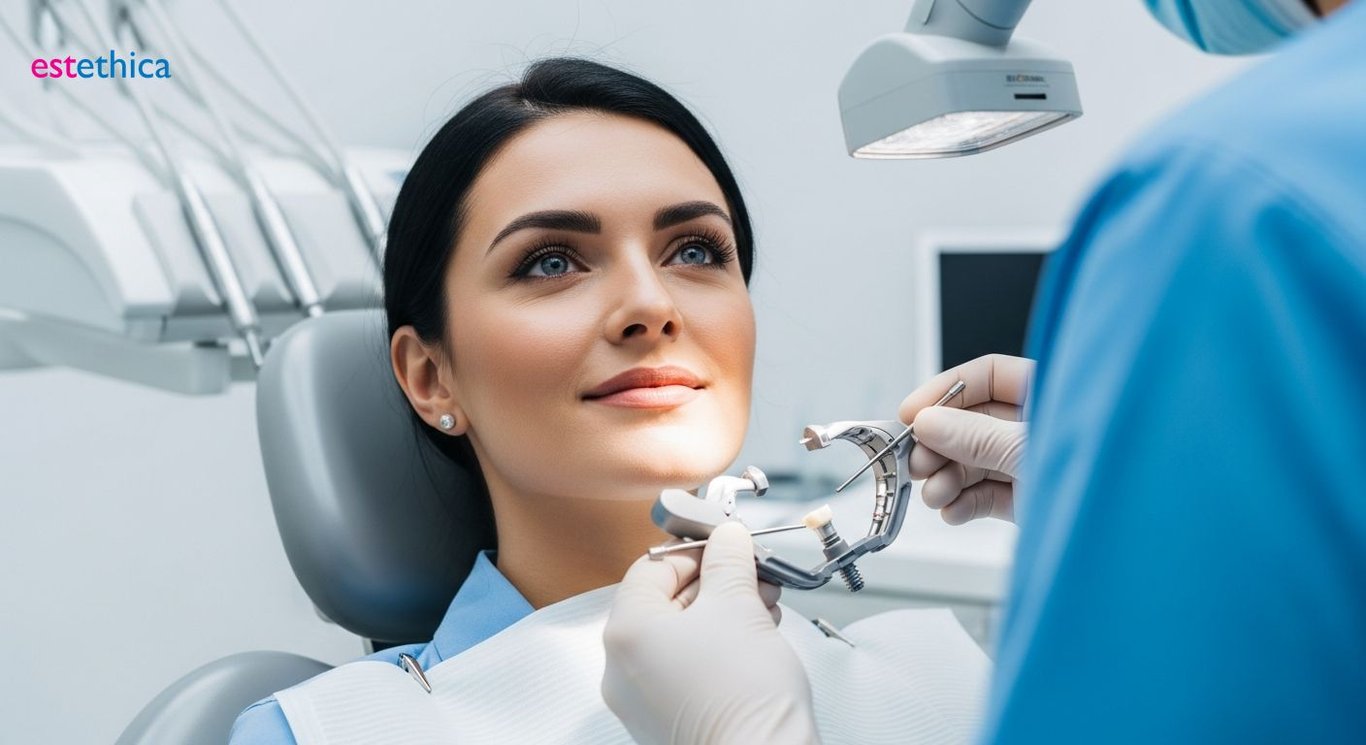
Benefits of Dental Implants Over Dentures
Unrivaled Stability and Natural Functionality
When considering tooth replacement, the advantages of dental implants over traditional dentures are substantial and often transformative. Dentures, while a common solution, can present challenges such as slipping during speech or meals, leading to discomfort and a loss of confidence. In contrast, dental implants are surgically placed into the jawbone, acting as a stable foundation for replacement teeth. This secure integration means they function and feel much like natural teeth, allowing you to eat, speak, and smile with complete assurance. This fundamental difference in stability significantly enhances both the practical use and the psychological benefits of having a full set of teeth restored.
Preserving Jawbone Health and Facial Structure
One of the most critical long-term benefits of dental implants is their ability to preserve jawbone integrity. When teeth are lost, the underlying jawbone gradually deteriorates due to a lack of stimulation. Dentures do not address this bone loss; in fact, they can sometimes accelerate it. Dental implants, however, mimic the root of a natural tooth, providing the necessary stimulation to the bone and preventing this resorption. This preservation is crucial not only for the longevity of the implant itself but also for maintaining the natural contours of your face and preventing the sunken appearance often associated with prolonged tooth loss. Understanding the long-term value is key, and while the initial Dental Implants: Your Updated Guide to Cost & Procedure can seem like an investment, the preservation of bone health offers significant advantages over time.
Durability and Long-Term Oral Health
The longevity of dental implants is another major advantage. With proper care and regular dental check-ups, implants can last a lifetime, making them a highly cost-effective and reliable solution in the long run. This contrasts with dentures, which often require adjustments and replacements over the years. Furthermore, the sealed nature of an implant-supported crown or bridge prevents food particles and bacteria from getting underneath, as can happen with dentures. This contributes to better oral hygiene and reduces the risk of decay or gum disease around the implant site. The overall Dental Implants: Your Updated Guide to Cost & Procedure highlights the comprehensive value proposition of this advanced treatment.

Comprehensive Dental Implant Treatment Guidance: Cost, Procedure, and Benefits
This guide offers detailed insights into dental implant treatment, covering the intricacies of the procedure from initial consultation to final restoration. It emphasizes understanding the full dental implant cost and its long-term value, presenting a clear picture for informed decision-making.
Expert analysis breaks down the dental implant procedure explained simply, demystifying each stage including surgical placement, the crucial healing phase, and the finalization of your new smile.
Drawing from extensive knowledge in restorative dentistry, this content provides authoritative information on tooth replacement options. The detailed exploration of dental implant success rates and the benefits of dental implants over dentures underscores a deep understanding of patient needs and clinical outcomes.
Navigating Your Dental Implant Journey: A Trusted Pathway to Renewed Oral Health
Trust is built through transparency and comprehensive information, particularly when discussing the financial aspects of dental care. This guide excels in detailing the dental implant cost and value, assessing the long-term benefits that make the investment worthwhile.
Understanding your insurance policy and maximizing potential benefits are key components of trust, ensuring patients feel supported throughout their treatment journey. Expert advice on navigating the financial landscape of dental implants empowers individuals to make confident choices.
While direct patient testimonials are not included in this summary, the detailed explanation of the dental implant procedure and its benefits serves as a testament to the anticipated positive outcomes. The focus on durability and long-term oral health assures patients of the lasting impact of this advanced tooth replacement solution.