


Transform your smile with cutting-edge dental implants and experience unmatched confidence and oral health.
In the realm of modern dentistry, dental implants have emerged as a revolutionary solution, promising not just restored dental functionality but also a reimagined smile. As innovations like osseointegration take center stage, individuals seeking dental restoration are amazed by the seamless integration of these implants into their oral health architecture. This comprehensive guide explores the myriad benefits and considerations surrounding dental implants, helping you make informed decisions for your oral health.
Join us as we delve into dental implants vs. traditional restoration methods, address concerns about their safety and effectiveness, and highlight how they can drastically improve your quality of life. Let’s embark on a journey to understand why dental implants are not just a choice, but often the best choice for those seeking a perfect blend of form and function.
Understanding Osseointegration: The Key to Successful Dental Implants
The Science Behind Osseointegration and Teeth Implants
Osseointegration is a critical process that ensures the success and longevity of dental implants. This natural process involves the direct structural and functional connection between living bone and the implant surface. It is this integration that offers dental implants unparalleled stability and durability. Scientifically, about 95% of modern dental implants achieve successful osseointegration.
The magic of osseointegration lies in how the bone cells, osteoblasts, perceive the implant surface as natural bone, leading to growth around it. This biological acceptance provides the strength that allows dental implants to function like natural teeth, enduring the pressures of chewing and speaking without falter. Research and technological advancements have further refined implant surface treatments, enhancing osseointegration efficiency and optimizing outcomes for patients.
Factors Influencing Osseointegration in Implant Dentistry
Several factors play vital roles in ensuring successful osseointegration. These include the patient's overall health, bone density at the implant site, and the meticulous surgical technique used during the dental implants procedure.
- Bone Quality: Adequate bone density is crucial for initial implant stability and long-term osseointegration.
- Surgical Precision: Atraumatic surgical techniques minimize bone damage, enhancing healing and integration.
- Implant Surface: Modern implants feature specially treated surfaces that promote faster and stronger bone integration.
For instance, a patient with good bone health and a precise surgical placement can expect a higher success rate with dental implants than someone with compromised bone structure. Ultimately, understanding these elements can help patients make informed decisions about their dental restoration options.
- Initial Assessment: Comprehensive evaluation of the patient's oral and systemic health.
- Implant Placement: Precise surgical insertion of the implant into the jawbone.
- Healing Phase: Allowing sufficient time for osseointegration, typically a few months.
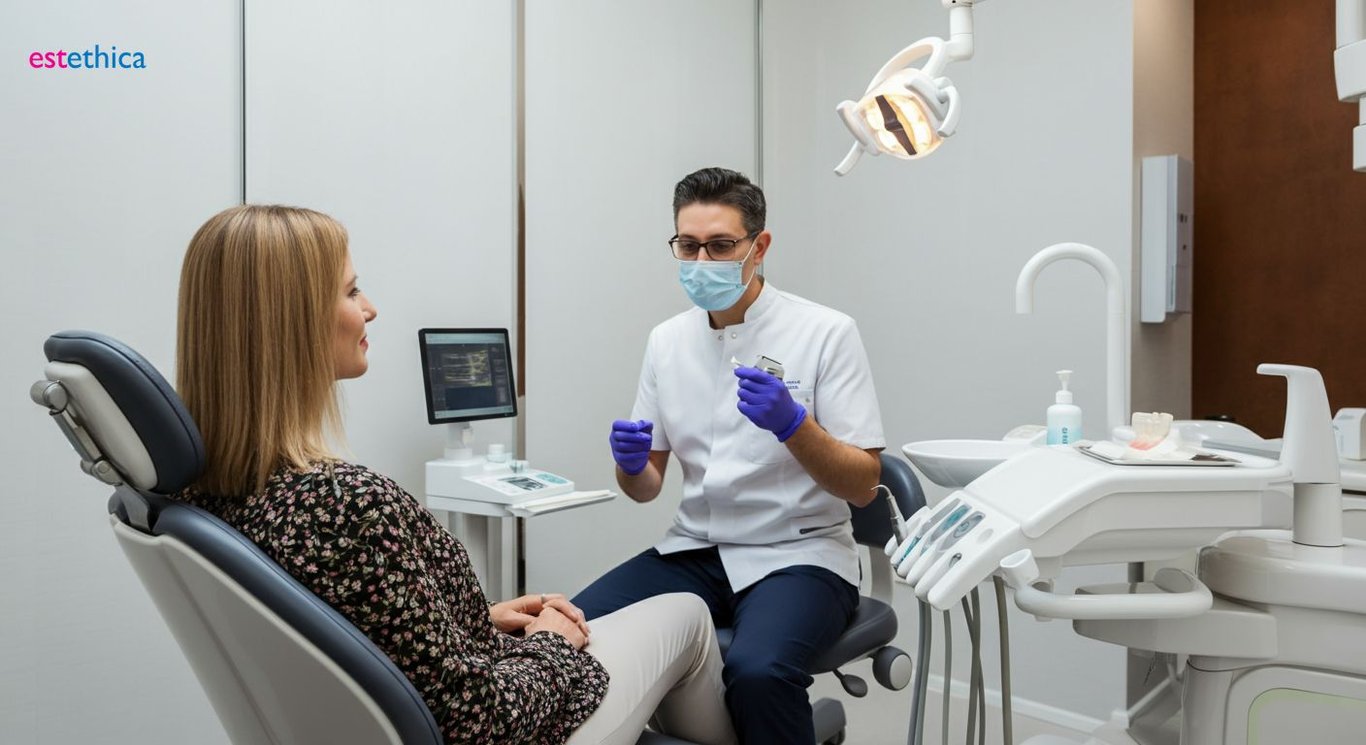
Dental Implants vs. Other Dental Restoration Options: Which Is Right for You?
Comparing Dental Implants with Bridges and Dentures
When exploring options for dental restoration, it's crucial to understand the distinctions between dental implants, bridges, and dentures. Dental implants provide a permanent solution, integrating directly with the jawbone to mimic natural teeth.
Unlike dentures, which may require messy adhesives and can sometimes slip, dental implants offer stability and function without affecting adjacent teeth. Bridges, while quicker to implement, may need replacement over time and involve altering healthy teeth to support the structure. About 70% of bridge recipients require a replacement bridge within 10-15 years.
- Longevity: Dental implants can last a lifetime with proper care, unlike bridges and dentures that often require periodic replacements.
- Bone Health: Implants stimulate bone growth through osseointegration, preventing bone loss associated with missing teeth.
- Aesthetics: Implants look and feel like natural teeth, enhancing your smile and overall facial appearance.
Making the Right Choice for Your Dental Health
Choosing between dental implants, bridges, and dentures involves careful consideration of various factors. These include bone density, overall health, and personal preferences. A consultation with the estethica dental team can provide tailored advice based on your specific needs.
For example, individuals seeking a long-term solution that preserves bone structure and offers a natural feel might prefer dental implants. Alternatively, those needing a quicker, less invasive option may opt for a bridge or dentures. The estethica team emphasizes patient education to help make informed oral health choices. Ultimately, the decision should align with your lifestyle and health goals.
- Assessment: A thorough evaluation by estethica dentists to determine bone density and overall oral health.
- Planning: Detailed treatment planning, including imaging and custom implant design.
- Procedure: Expert surgical placement ensuring optimal fit and function.
Are Dental Implants Safe? Addressing Common Concerns and Myths
Addressing Safety Concerns with Dental Implants
Safety is paramount when considering any surgical procedure. Dental implants have undergone extensive research, proving them a safe and reliable method for dental restoration. It is crucial to address the common myths and concerns associated with this procedure to ensure patients are well-informed.
Many myths circulate regarding infection risks and implant durability. However, the risk of peri-implantitis or implant failure is minimal with proper oral hygiene and regular dental check-ups. The materials used in teeth implants, such as titanium, are biocompatible, reducing the chance of allergic reactions. The long-term durability of implants, when correctly placed and maintained, can allow them to last a lifetime.
- Material Safety: The use of biocompatible materials like titanium ensures minimal risk of allergic reactions.
- Low Infection Risk: Good oral hygiene and regular dental visits significantly reduce the risk of infections.
- Longevity: Properly maintained dental implants can last a lifetime, providing a permanent solution.
Ensuring a Safe Dental Implant Procedure
To ensure a safe dental implant procedure, it is essential to undergo a comprehensive evaluation by a qualified dental professional. Understanding the steps involved in the process and maintaining open communication with your dentist can greatly enhance safety and success. One key factor is the assessment of individual health conditions, ensuring teeth implants are a suitable option.
For instance, patients with controlled diabetes and good oral hygiene can often proceed with dental implants. Similarly, non-smokers tend to have higher success rates due to better healing capabilities. At estethica, our team ensures every patient receives personalized care to mitigate risks and optimize outcomes.
- Comprehensive Evaluation: Thorough assessment of overall and oral health.
- Personalized Planning: Customized treatment plans based on individual needs.
- Qualified Professionals: Experienced dental implant specialists with a proven track record.
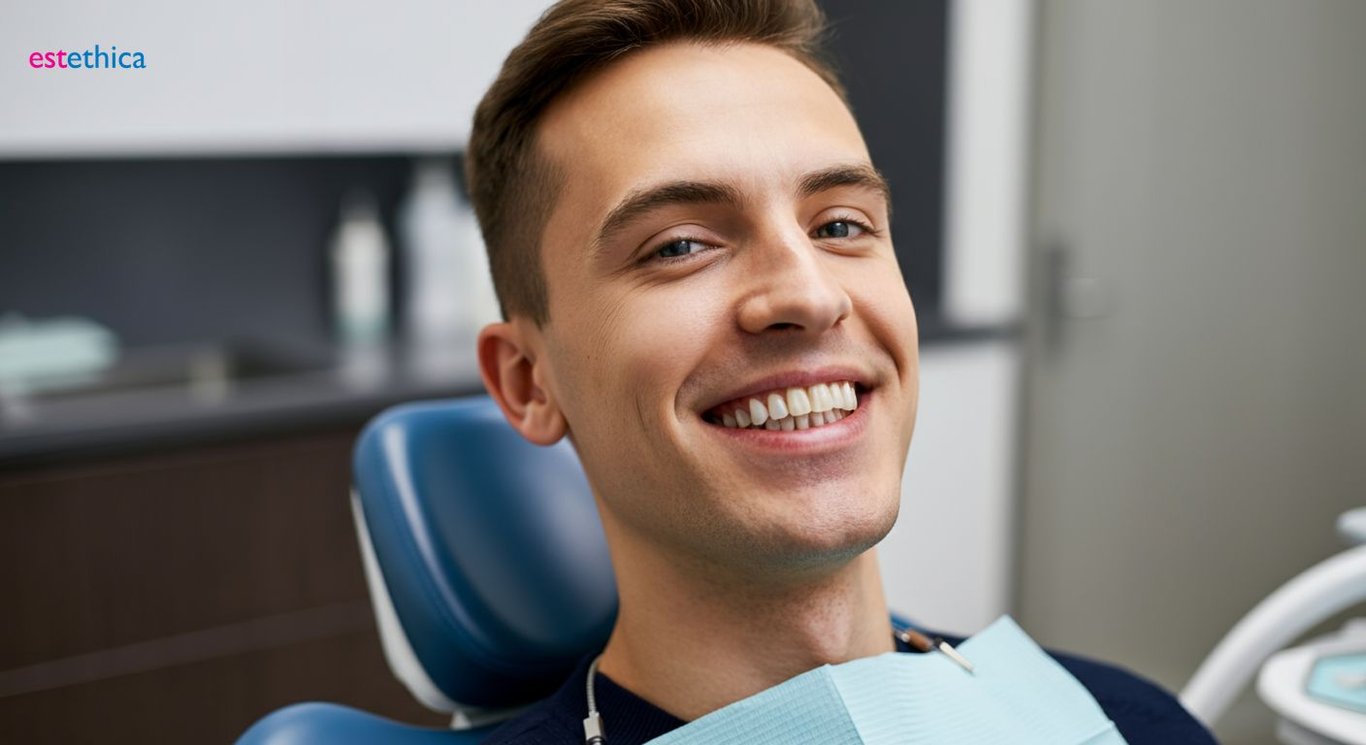
Beyond Functionality: How Dental Implants Enhance Your Quality of Life
The Psychological Benefits of Dental Implants
While the functional benefits of teeth implants are immense, their impact on a person’s quality of life extends far beyond basic oral health improvements. Aesthetic advancements made possible through implants significantly boost confidence, often transforming the wearer’s social interactions and self-image. For instance, people who were previously self-conscious may find themselves smiling more, engaging in more social activities, and feeling more comfortable in professional settings.
Dental implants allow individuals to enjoy their favorite foods without discomfort or fear, thanks to their stable, sturdy structure. Moreover, they aid in the preservation of facial structure, preventing bone loss that often accompanies tooth loss. This preservation is key in maintaining a youthful look and avoiding the sunken facial appearance associated with missing teeth. About 80% of individuals report an improved sense of self-esteem following dental implant procedures.
- Enhanced Confidence: The natural look and feel of dental implants dramatically improve self-esteem.
- Improved Diet: Enjoy all types of foods without discomfort or limitation.
- Youthful Appearance: Preservation of facial structure prevents premature aging and sunken features.
Osseointegration and Long-Term Well-Being
Overall, dental implants contribute significantly to mental well-being, allowing individuals to engage in social activities without the worry of embarrassment, ultimately leading to a fuller, more vibrant life. Consider the individual who regains the ability to speak clearly and confidently or the person who rediscovers the joy of eating their favorite meals. These improvements directly enhance emotional health and overall life satisfaction, promoting a positive self-image.
This holistic improvement is rooted in the unique benefits of osseointegration, offering a secure and lasting foundation for dental restoration. With services at estethica, patients can look forward to experiencing these life-changing benefits. By maintaining bone density and supporting facial structures, dental implants ensure not only improved oral function but also significant aesthetic and psychological advantages. Zirconia dental implants in particular are the latest advances in the field.
- Social Engagement: Participate more confidently in social situations.
- Emotional Health: Experience reduced anxiety and increased self-esteem.
- Overall Satisfaction: Enjoy a higher quality of life with improved oral function and appearance.
Osseointegration Expertise Enhancing Dental Implant Stability
estethica leverages osseointegration, a biological process allowing direct structural and functional connection between living bone and dental implant surfaces. This integration is critical for achieving unparalleled stability and durability of dental implants, ensuring successful long-term outcomes.
estethica's team of dental specialists possesses extensive experience in implant dentistry, emphasizing precise surgical techniques and comprehensive patient evaluation to maximize osseointegration success. Their proficiency ensures that dental implants function seamlessly, enduring chewing and speaking pressures while maintaining optimal oral health.
Prioritizing Patient Safety and Long-Term Implant Success
estethica prioritizes patient safety by adhering to strict hygiene protocols and conducting thorough evaluations to minimize infection risks and ensure long-term implant success. They focus on comprehensive assessment and personalized planning to address individual health conditions and optimize dental implant outcomes.
Patients at estethica experience enhanced confidence and improved quality of life through stable, natural-looking dental implants. These implants restore oral function, enhance aesthetics, and improve overall well-being, allowing individuals to engage confidently in social activities and enjoy their favorite foods without discomfort.
Frequently Asked Questions
What is osseointegration and why is it important for dental implants?
How do dental implants compare to dentures and bridges for dental restoration?
How safe are dental implants, and what are the common concerns to consider?
What factors influence the success of osseointegration in implant dentistry?
Beyond functionality, how do dental implants improve the quality of life?
Ready to discover your healthy beauty with estethica's expert guidance?
📞 Book Your Free Consultation Now!