

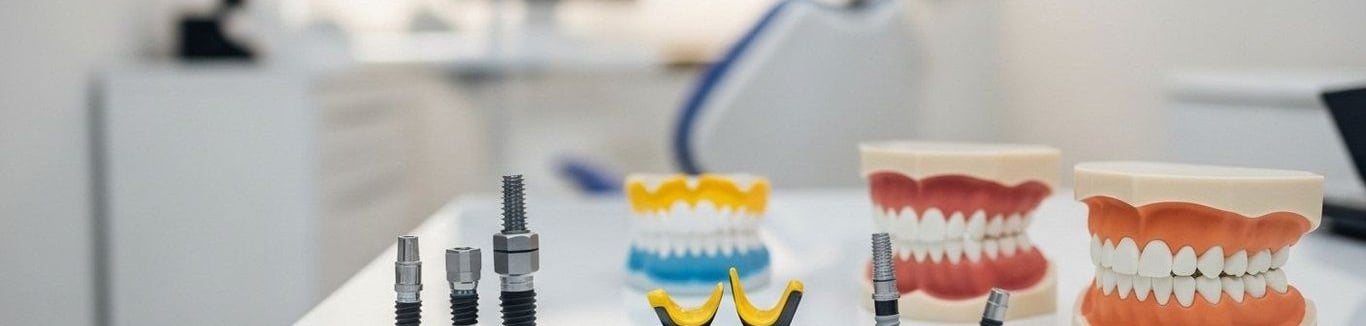
Transform your smile with dental implants, offering a natural, durable solution for tooth replacement. Explore the options today!
Discover the transformative impact of dental implants, the revolutionary solution for tooth replacement that promises a natural look and feel. With advancements in technology and techniques, it's now easier than ever to regain your confidence with a brilliant, new smile.
Exploring Tooth Replacement Options: Are Dental Implants Right for You?
Determining if Dental Implants Align with Your Health Profile
Dental implants are becoming a popular choice because of their long-term stability and natural look, especially when compared to alternatives like dentures and bridges. Dental Implants offer a blend of functionality and aesthetics that many patients find appealing. A critical factor in deciding if implants are suitable for you involves assessing your oral health; specifically, the condition of your gums and the density of your jawbone. The ideal candidate typically has healthy gum tissue and sufficient bone to support the implant.
The success of dental implants relies heavily on a process called osseointegration, where the implant fuses with the jawbone. This process provides a solid foundation for the artificial tooth. For those with compromised bone density, procedures like bone grafting may be necessary to enhance the jawbone's capacity to support an implant. Furthermore, individuals with certain health conditions, such as uncontrolled diabetes or those who are heavy smokers, might face increased risks with dental implant procedures. These factors can affect the healing process and the overall success of the implant.
Key Considerations for Dental Implant Candidacy
- Sufficient Bone Density: A strong jawbone is crucial for supporting the implant and ensuring osseointegration.
- Healthy Gum Tissue: Healthy gums are essential to protect the implant site from infection and maintain long-term stability; for instance, individuals with periodontitis may need treatment before qualifying for implants.
- Overall Health: Systemic conditions like diabetes and lifestyle choices such as smoking can impact the success rate of dental implants, necessitating careful evaluation.
Optimal candidates for dental implants are often those who maintain good oral hygiene and have realistic expectations about the outcomes. Consulting with a qualified dental professional is essential to determine if dental implants are the right choice for your specific needs and circumstances.

The Osseointegration Process: How Dental Implants Fuse with Your Jawbone
Understanding the Biological Basis of Osseointegration
Osseointegration is the cornerstone of successful Dental Implants, representing a direct structural and functional connection between living bone and the surface of a load-bearing artificial implant. This process allows the implant to act as a stable foundation for a replacement tooth, closely mimicking the behavior of a natural tooth root. estethica Dental Clinic prioritizes precision and biocompatible materials to enhance osseointegration outcomes, ensuring a solid and lasting integration.
Successful osseointegration depends on several factors, including the biocompatibility of the implant material, the health of the patient's bone, and the surgical technique used during placement. The surface properties of the implant play a crucial role, with specially treated surfaces promoting faster and stronger bone growth. Moreover, maintaining good oral hygiene post-surgery is essential, as it prevents infections that could compromise the osseointegration process.
Factors Influencing the Dental Implant Osseointegration Process
- Implant Material: Titanium alloys are frequently used due to their biocompatibility, which encourages bone cells to attach and grow around the implant.
- Surface Treatment: Techniques like acid etching or plasma spraying enhance the implant surface, increasing the contact area for bone integration.
- Surgical Precision: Accurate placement of the implant, avoiding overheating of the bone, is essential for promoting successful osseointegration.
The integration period varies among individuals, typically ranging from a few weeks to several months, and is a crucial phase that determines the long-term success of the dental implant.
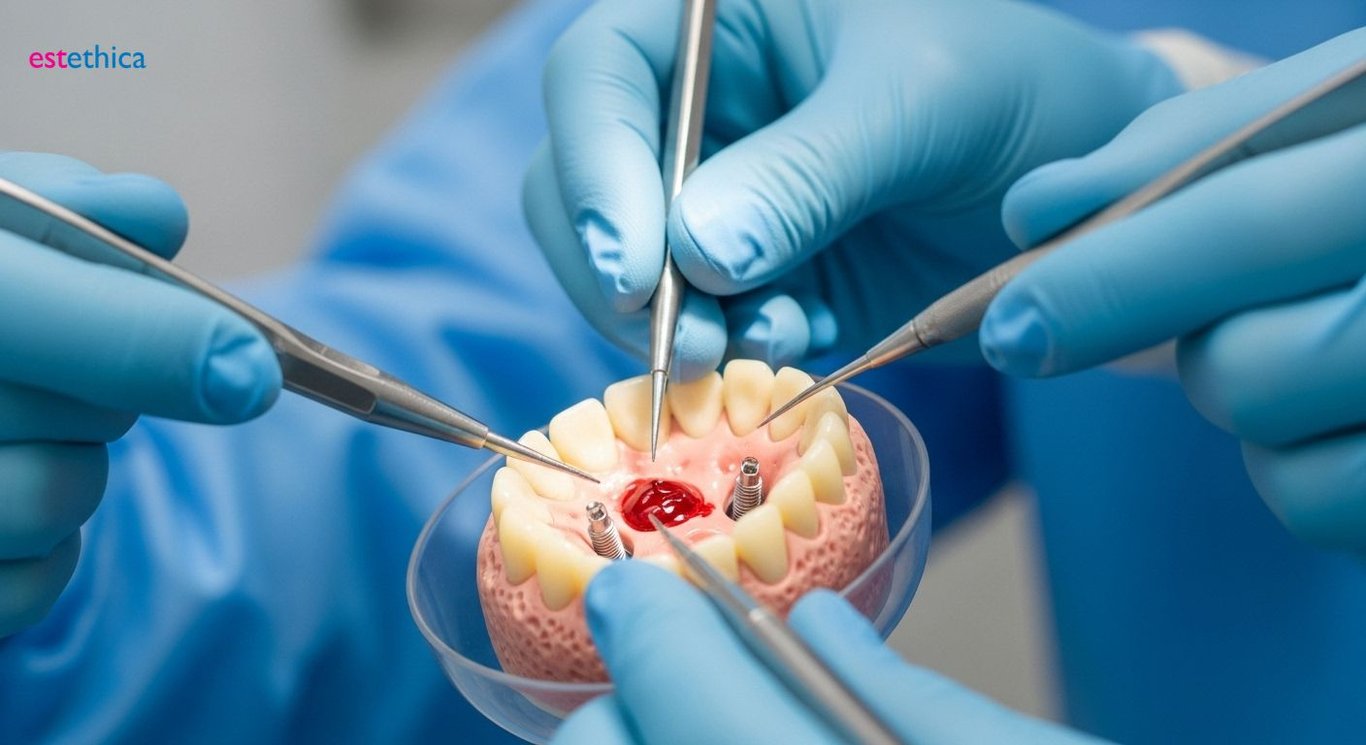
Dental Implants vs. Dental Bridges: Choosing the Best Solution for Your Needs
Comparing Longevity and Maintenance of Dental Implants and Bridges
When considering options for replacing missing teeth, both dental implants and bridges are common solutions, yet they differ significantly in terms of longevity and maintenance. Dental implants are designed to be a permanent solution, potentially lasting a lifetime with proper care, which includes regular dental check-ups and diligent oral hygiene practices. They integrate directly with the jawbone, providing stability and preventing bone loss, a common issue with missing teeth. The materials used in Dental Implants, like titanium, are highly durable and biocompatible, minimizing the risk of complications.
In contrast, dental bridges typically last between 5 to 15 years, necessitating replacement at some point. Bridges involve anchoring a false tooth (pontic) to adjacent teeth, which may require reshaping these teeth to support the bridge. This can place additional stress on the neighboring teeth, potentially leading to issues such as decay or the need for root canals. A key advantage of implants is that they do not impact adjacent teeth, preserving their natural structure and health. Choosing between implants and bridges involves a careful consideration of these factors, balancing long-term durability with the impact on surrounding teeth.
Advantages of Dental Implants Over Dental Bridges
- Preservation of Adjacent Teeth: Dental Implants do not require alteration of neighboring teeth, maintaining their natural structure and health.
- Prevention of Bone Loss: By integrating with the jawbone, implants stimulate bone growth and prevent the bone loss that typically occurs with missing teeth.
- Long-Term Durability: With proper care, dental implants can last a lifetime, making them a cost-effective solution over the long term compared to bridges that require replacement.

Navigating Dental Implant Procedure Risks: What You Need to Know
Minimizing Risks in Dental Implant Procedures
Undergoing a dental implant procedure involves careful consideration of potential risks, which, while minimal, are crucial to understand. Infection is a concern in any surgical procedure, but with dental implants, the risk is mitigated through strict sterilization protocols and the use of local antiseptics. For example, pre-operative assessments can identify potential risk factors, such as underlying health conditions or medications that might affect healing. Furthermore, the expertise of the dental professional plays a significant role in minimizing complications. At estethica Dental Clinic, experienced surgeons adhere to best-practice guidelines, significantly lowering these risks.
Implant failure, although rare, is another potential risk. This can occur if the implant does not properly integrate with the jawbone, a process known as osseointegration. Factors contributing to failure can include poor bone quality, smoking, orundiagnosed medical conditions. However, advancements in dental technology, such as the use of cone-beam computed tomography (CBCT) for precise placement planning, have greatly improved success rates. Post-operative care is equally important; following the dentist’s instructions carefully can help prevent complications and ensure successful integration.
Essential Steps to Reduce Dental Implant Risks
- Comprehensive Evaluation: A thorough pre-procedure evaluation helps identify and manage potential risk factors, such as low bone density or systemic diseases.
- Advanced Planning: Utilizing technologies like CBCT ensures precise implant placement, minimizing trauma to surrounding tissues and improving integration.
- Meticulous Post-Operative Care: Diligent adherence to post-operative instructions, including oral hygiene practices and medication schedules, is critical for preventing infections and ensuring proper healing.
Choosing a reputable clinic like estethica, known for its skilled professionals and commitment to patient care, is essential for navigating dental implant procedure risks effectively.
Understanding Dental Implants: A Comprehensive Guide
Precision Osseointegration: estethica's Method for Enhanced Dental Implant Stability
estethica Dental Clinic emphasizes precision surgical techniques and utilizes biocompatible titanium alloys with enhanced surface treatments to promote faster and stronger bone growth around dental implants. This process, known as osseointegration, ensures a stable and lasting foundation for replacement teeth, closely mimicking the function of natural tooth roots.
estethica's dental implant procedures are performed by experienced surgeons who adhere to best-practice guidelines. A comprehensive pre-operative assessment identifies and manages potential risk factors, such as low bone density. esthetica utilizes technologies like cone-beam computed tomography (CBCT) for precise placement planning, improving integration and minimizing trauma to surrounding tissues.
Minimizing Implant Procedure Risks Through Strict Sterilization Standards
estethica mitigates infection risks with stringent sterilization protocols and local antiseptics during dental implant procedures. Comprehensive pre-procedure evaluations help identify and manage potential risk factors, enhancing patient safety. Patients receive thorough post-operative instructions, including oral hygiene practices and medication schedules, to prevent complications and ensure proper healing.
estethica's patient-focused approach ensures high levels of satisfaction, with a commitment to providing accessible and transparent healthcare. The clinic continually monitors service quality through various committees and teams, including Patient Safety and Infection Control Committees, and maintains systems for risk management and emergency preparedness.
Frequently Asked Questions
Are dental implants a suitable option for everyone needing tooth replacement?
What is osseointegration, and why is it important for dental implants?
What are the key advantages of choosing dental implants over dental bridges?
What are the potential dental implant procedure risks, and how are they minimized?
Achieve your aesthetic goals with estethica's personalized surgical and non-surgical solutions.
📞 Book Your Free Consultation!