


Learn why dental implants are considered the top solution for tooth loss, offering functionality and aesthetics with long-lasting benefits.
Dental implants have emerged as the gold standard for those seeking a reliable and permanent solution for tooth replacement. With advancements in technology and increasing awareness about oral health, dental implants offer a perfect blend of aesthetics and functionality. In this article, we will delve into the various aspects that make dental implants the preferred choice for many, exploring how they compare to other tooth replacement options and understanding the process of osseointegration that ensures their success.
Understanding Osseointegration: The Key to Implant Success
Factors Influencing Osseointegration Success
Osseointegration is the direct structural and functional connection between living bone and the surface of a load-bearing artificial implant. Achieving successful osseointegration is critical for the long-term stability and functionality of dental implants. Several factors can influence this process, including the patient's overall health, bone density at the implant site, surgical technique, and the characteristics of the implant itself. For example, patients with uncontrolled diabetes or those who smoke may experience delayed or compromised osseointegration. Similarly, insufficient bone volume or density may require bone grafting procedures to create a more favorable environment for implant placement. The surface properties of the dental implant, such as roughness and coating, also play a significant role in promoting bone cell attachment and growth. Proper surgical technique, including atraumatic extraction and precise implant placement, minimizes trauma to the surrounding tissues and optimizes the conditions for osseointegration.
- Patient Health: Systemic conditions like diabetes and smoking significantly impact osseointegration. For instance, smokers often experience slower healing and a higher risk of implant failure due to reduced blood flow and impaired immune response.
- Bone Density: Adequate bone volume and density are essential for initial implant stability and long-term osseointegration. Areas with poor bone quality may require bone augmentation techniques to enhance implant support.
- Implant Surface: The surface characteristics of the dental implant influence bone cell attachment and growth. Implants with roughened surfaces and bioactive coatings tend to exhibit improved osseointegration rates compared to smooth-surfaced implants.
The Dental Implant Procedure: A Step-by-Step Overview
The dental implant procedure is a multi-stage process designed to ensure the successful integration of the implant with the jawbone and the restoration of a functional and aesthetic tooth. The initial consultation involves a thorough examination of the patient's oral health, including X-rays and possibly a CT scan to assess bone density and identify any potential issues. If the patient is a suitable candidate, the next step is the surgical placement of the dental implant into the jawbone. Following implant placement, a period of healing is required to allow osseointegration to occur, which can take several months. Once osseointegration is complete, an abutment is attached to the implant, which serves as a connector for the final restoration. Finally, a custom-made crown is attached to the abutment, completing the tooth restoration. Throughout this process, meticulous attention to detail and adherence to best practices are essential to ensure a successful outcome. According to the American Academy of Implant Dentistry, dental implants have a success rate of over 95%, highlighting the effectiveness of this tooth replacement option.
- Initial Consultation: A comprehensive evaluation is performed to assess the patient's oral health, bone density, and overall suitability for dental implants. This includes a review of the patient's medical history and a thorough clinical examination.
- Implant Placement: The dental implant is surgically placed into the jawbone in a precise location to ensure optimal stability and alignment. The procedure is typically performed under local anesthesia, and in some cases, sedation may be used to enhance patient comfort.
- Restoration: After osseointegration is complete, a custom-made crown is attached to the implant, restoring the tooth's function and appearance. The crown is designed to blend seamlessly with the adjacent teeth, providing a natural-looking and long-lasting result.

Dental Implants vs. Other Tooth Replacement Options
Advantages of Dental Implants Over Traditional Options
Dental implants offer several key advantages compared to traditional tooth replacement methods like dentures and bridges. Unlike dentures, which can be uncomfortable and require messy adhesives, dental implants are securely anchored in the jawbone, providing a stable and natural-feeling solution. According to the American Academy of Periodontology, dental implants have a higher success rate and greater long-term stability compared to dentures and bridges. Additionally, dental implants do not rely on adjacent teeth for support, as bridges do, which helps to preserve the health and integrity of the surrounding teeth. This independent support also prevents bone loss in the jaw, a common issue with dentures and bridges, ensuring better long-term oral health.
- Stability and Comfort: Dental implants provide superior stability and comfort compared to dentures. Patients can eat, speak, and smile with confidence, without worrying about slippage or discomfort.
- Preservation of Adjacent Teeth: Unlike bridges, dental implants do not require the alteration or support of adjacent teeth. This helps to maintain the natural structure and health of the surrounding teeth.
- Prevention of Bone Loss: Dental implants stimulate the jawbone, preventing bone loss that can occur with dentures and bridges. This helps to maintain facial structure and overall oral health.
The Longevity and Maintenance of Dental Implants
One of the most significant benefits of dental implants is their longevity. With proper care and maintenance, dental implants are designed to last a lifetime, making them a cost-effective tooth replacement option in the long run. This involves regular dental check-ups, professional cleanings, and good oral hygiene practices at home. Unlike dentures and bridges, which may require frequent replacements or repairs, dental implants provide a durable and reliable solution for missing teeth. A study published in the "International Journal of Oral & Maxillofacial Implants" found that dental implants have a 90-95% success rate over a 10-year period, highlighting their long-term effectiveness. Maintaining excellent oral hygiene, including brushing and flossing daily, is essential for preventing peri-implantitis, a condition that can affect the tissues surrounding the implant.
- Regular Dental Check-ups: Routine visits to the dentist are essential for monitoring the health of the dental implant and surrounding tissues. Professional cleanings help to remove plaque and tartar, preventing potential complications.
- Proper Oral Hygiene: Maintaining good oral hygiene practices at home, including brushing and flossing daily, is crucial for preventing peri-implantitis and ensuring the long-term success of the dental implant.
- Lifestyle Choices: Avoiding smoking and excessive alcohol consumption can significantly improve the longevity of dental implants. These habits can impair healing and increase the risk of implant failure.
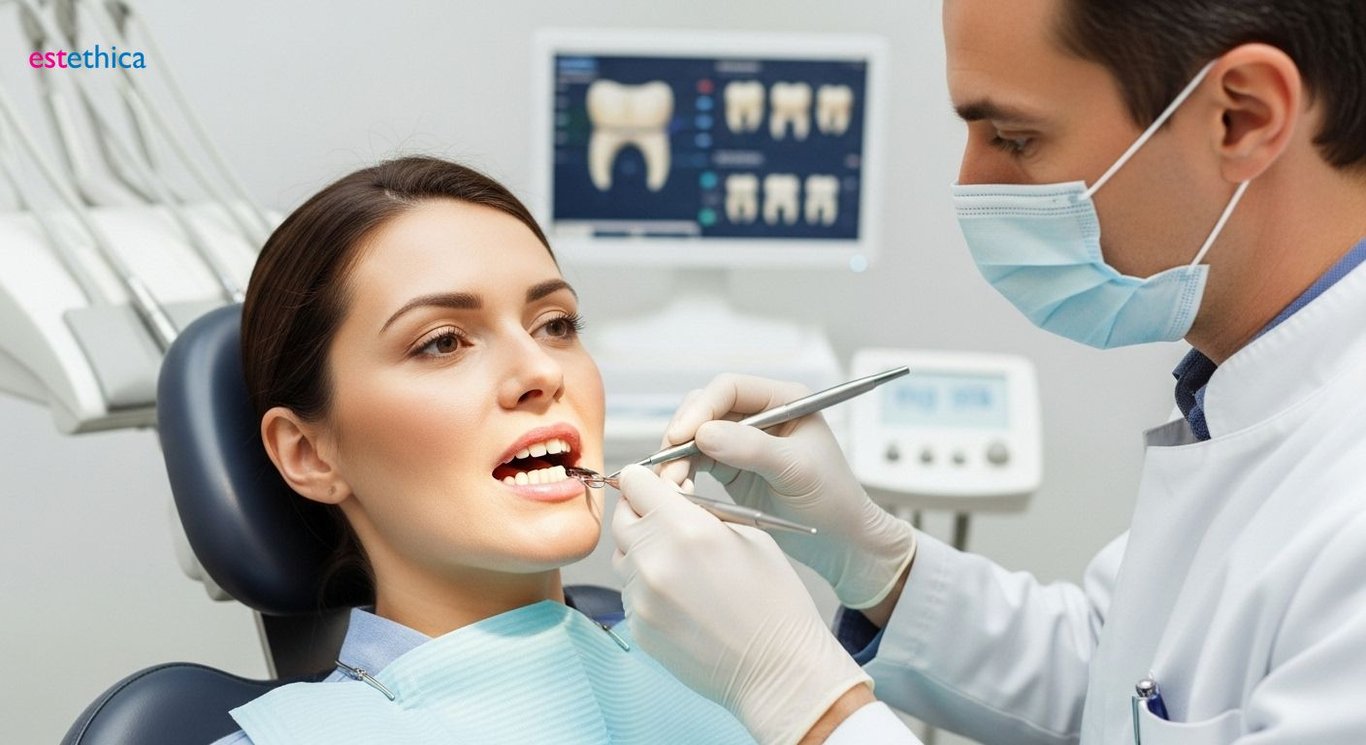
Am I a Candidate for Implant Dentistry?
Assessing Your Candidacy for Dental Implants
Determining whether you are a suitable candidate for dental implants involves a comprehensive evaluation of your oral health, bone structure, and overall medical condition. Generally, ideal candidates possess healthy gums and sufficient bone density to support the implant. However, even if you have certain health issues or habits, such as smoking, it doesn't automatically disqualify you. These factors may require additional consideration and preparatory treatments to enhance the likelihood of successful osseointegration. Consulting with a skilled dental professional is crucial to receive a personalized treatment plan tailored to your specific needs and maximize the chances of a successful procedure. The evaluation typically includes a thorough examination, X-rays, and possibly a CT scan to assess bone density and identify any potential issues. At Anytown Dental, we prioritize patient safety and strive to ensure the best possible outcomes for every individual.
- Healthy Gums: Healthy gums are essential for supporting dental implants and preventing infections. Conditions like gingivitis or periodontitis must be treated before implant placement to ensure a stable foundation.
- Sufficient Bone Density: Adequate bone density in the jawbone is crucial for providing stability and support for the implant. If bone loss has occurred, bone grafting procedures may be necessary to augment the bone volume.
- Overall Health: Certain medical conditions, such as uncontrolled diabetes or autoimmune diseases, can affect the healing process and the success of dental implants. A thorough medical history review is essential to identify any potential risk factors.
Preparatory Treatments to Enhance Implant Success
For individuals who may not initially qualify for dental implants due to factors like insufficient bone density or gum disease, various preparatory treatments can significantly improve their candidacy. Bone grafting is a common procedure used to augment the jawbone and provide a stable foundation for the implant. Gum disease treatment, such as scaling and root planing, can address infections and inflammation, creating a healthier environment for implant dentistry. Additionally, lifestyle modifications, such as quitting smoking, can enhance healing and increase the chances of successful osseointegration. These preparatory steps are essential for ensuring the long-term success and stability of teeth implants. Anytown Dental is committed to providing comprehensive care and personalized solutions to help every patient achieve a healthy and beautiful smile. According to a study published in the "Journal of Periodontology," patients who undergo preparatory treatments before implant placement have a significantly higher success rate compared to those who do not.
- Bone Grafting: This procedure involves transplanting bone tissue to the jawbone to increase its density and volume. Bone grafting can be performed using various techniques, including autografts, allografts, and xenografts.
- Gum Disease Treatment: Addressing gum disease through scaling and root planing helps to eliminate infections and inflammation, creating a healthier environment for dental implants. Antibiotics and antimicrobial mouth rinses may also be prescribed.
- Lifestyle Modifications: Quitting smoking, maintaining a balanced diet, and practicing good oral hygiene are essential for promoting healing and ensuring the long-term success of dental implants. Patients are encouraged to adopt healthy habits to optimize their oral health.

Long-Term Care and Maintenance for Dental Implants
Essential Practices for Ensuring Dental Implant Longevity
Maintaining dental implants involves consistent oral hygiene practices and regular professional check-ups. Daily brushing and flossing are critical for removing plaque and preventing infections that can compromise the implant's stability. At Anytown Dental, we emphasize the importance of using a soft-bristled toothbrush and non-abrasive toothpaste to avoid scratching the implant surface. Regular dental visits allow us to monitor the health of the implant and surrounding tissues, providing early intervention if any issues arise. Furthermore, avoiding habits such as smoking and excessive alcohol consumption can significantly enhance the lifespan of teeth implants. According to the American Dental Association, proper maintenance can extend the life of dental implants by many years.
- Daily Brushing and Flossing: Consistent oral hygiene practices are essential for preventing plaque buildup and maintaining the health of the implant and surrounding tissues. Using interdental brushes can also help clean hard-to-reach areas.
- Regular Dental Check-ups: Routine visits to Anytown Dental allow for professional cleaning and monitoring of the implant's condition. Early detection of potential issues can prevent complications and ensure long-term success.
- Avoiding Harmful Habits: Smoking and excessive alcohol consumption can impair healing and increase the risk of implant failure. Adopting a healthy lifestyle can significantly improve the longevity of dental implants.
Lifestyle Adjustments to Protect Your Investment in Implant Dentistry
Protecting your investment in implant dentistry requires certain lifestyle adjustments to prevent damage and ensure long-term success. Avoiding habits that can harm the teeth, such as grinding (bruxism) or chewing hard objects, is crucial for preserving the integrity of the dental implants. Wearing a nightguard can help protect against the effects of bruxism, while being mindful of food choices can prevent unnecessary stress on the implants. Additionally, maintaining a balanced diet rich in vitamins and minerals supports overall oral health and enhances the healing process. At Anytown Dental, we provide personalized guidance on lifestyle adjustments to help you maximize the lifespan of your teeth implants. Taking proactive steps to protect your implants can ensure a healthy and beautiful smile for years to come. Remember, dental implants are a long-term solution that requires ongoing care and attention.
- Avoid Chewing Hard Objects: Refrain from chewing on ice, hard candies, or other hard objects that can damage the dental implants. These habits can cause cracks or fractures in the implant or crown, leading to costly repairs.
- Wear a Nightguard: If you have a habit of grinding your teeth, wearing a nightguard can protect the implants from excessive force and prevent damage. A custom-fitted nightguard from Anytown Dental can provide optimal protection.
- Maintain a Balanced Diet: A diet rich in vitamins and minerals supports overall oral health and enhances the healing process. Adequate intake of calcium and vitamin D is particularly important for maintaining bone density and implant stability.
Osseointegration Expertise: Ensuring Long-Term Dental Implant Success
estethica employs meticulous surgical techniques and advanced implant surface technologies to optimize osseointegration, the critical process for long-term dental implant stability. Our comprehensive approach considers patient health, bone density, and implant characteristics to ensure successful integration.
estethica's dental implant specialists possess extensive training and experience in implant dentistry, ensuring the highest standards of care. Our team stays at the forefront of implant dentistry through continuous education and adherence to best practices.
Comprehensive Implant Care: Ensuring Long-Term Functionality and Aesthetics
estethica provides comprehensive long-term care for dental implants, including regular check-ups, professional cleanings, and personalized oral hygiene guidance. Our focus on preventive care and lifestyle adjustments ensures the longevity and success of dental implants.
estethica is committed to providing personalized solutions and comprehensive care to help every patient achieve a healthy and beautiful smile. Our dedicated team ensures that each patient receives the best possible outcome through meticulous attention to detail and adherence to best practices.
Frequently Asked Questions
What are dental implants and why are they considered a top tooth replacement option?
What is osseointegration and why is it crucial for dental implants?
How do dental implants compare to other tooth replacement options like dentures and bridges?
What factors determine if I am a good candidate for implant dentistry?
What long-term care is required to ensure the longevity of dental implants?
Achieve your aesthetic goals with estethica's expert guidance.
📞 Schedule Your Free Consultation!