


Dental implants offer a durable and natural-looking solution for missing teeth, providing significant benefits for oral health and confidence. Explore procedures, types, costs, and advantages to understand if they are the right choice for you.
Are you considering a permanent solution to replace missing teeth? Dental implants offer a revolutionary approach to restoring your smile's natural look and function. Unlike traditional dentures or bridges, implants provide a stable, long-lasting foundation that feels just like your natural teeth. This guide will delve into the intricacies of dental implant procedures, explore the various types available, highlight the significant benefits they offer, and compare them with other tooth replacement options. Whether you're curious about how much dental implants cost or eager to understand the advantages of dental implants, we've got you covered.Exploring Dental Implant Procedures
Embarking on the journey of dental implants is a strategic process, meticulously designed to ensure lasting integration and successful outcomes. This advanced approach to tooth restoration involves several key stages, each critical for achieving the desired aesthetic and functional results. For a comprehensive overview of what to expect, including factors influencing dental implant cost, you can explore our detailed guide: Dental Implants: Cost, Procedures, Benefits & Options.Initial Consultation and Planning
The process typically begins with an in-depth consultation and a thorough examination by your dental professional. This vital first step involves capturing detailed imaging, often including X-rays and potentially a CT scan. These diagnostics are crucial for assessing your overall oral health, specifically evaluating the density and quality of your jawbone, which is fundamental for implant stability. This planning phase ensures that the treatment is tailored precisely to your individual needs, identifying the best placement strategy for the implant.Surgical Placement and Osseointegration
Should you be deemed a suitable candidate, the first surgical phase involves the precise placement of a small titanium post directly into the jawbone. This post acts as the artificial root for your new tooth. The magic happens over the subsequent months as the jawbone fuses with the titanium through a biological process known as osseointegration. This integration is paramount; it creates a strong, stable foundation for the dental implant, mimicking the natural anchoring of a tooth root.Restoration and Finalization
Once osseointegration is successfully complete, the next step involves attaching an abutment to the integrated implant. The abutment is a connector piece that protrudes above the gum line and serves as the base for the final restoration. The ultimate stage involves the placement of a custom-designed crown, bridge, or denture. This restoration is crafted to perfectly match the color, shape, and size of your natural teeth, ensuring a seamless and aesthetically pleasing result. While the entire treatment can span several months, the remarkable durability and the natural sensation of chewing and speaking make the investment in dental implants a highly rewarding choice for restoring your smile and confidence. Understanding the potential dental implant cost is part of this journey, and our linked resource provides further insights into this. The overall dental implant cost is influenced by various factors, making thorough planning essential. The benefits of dental implants are numerous, offering a stable and long-lasting solution. The advantages, or benefits of dental implants, extend beyond mere aesthetics, significantly improving oral function.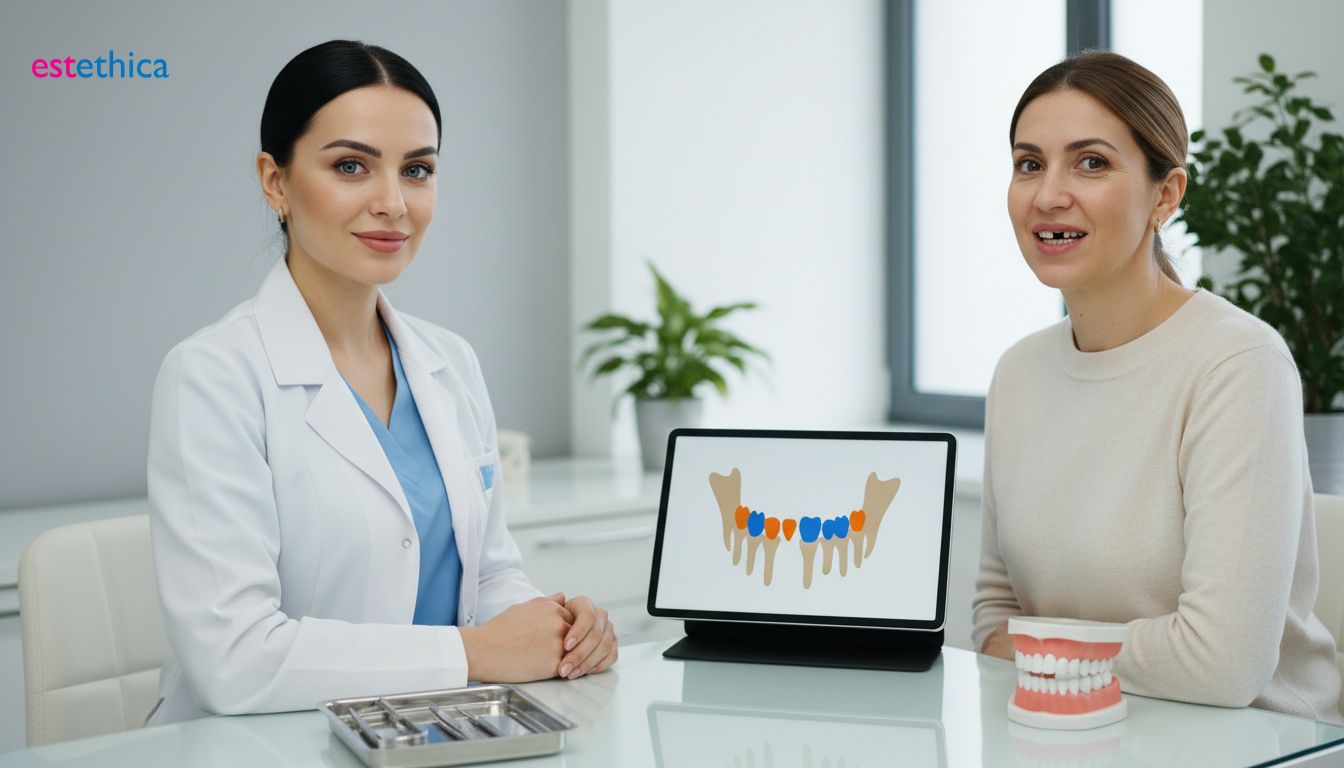
Types of Dental Implants Explained
Navigating the world of tooth restoration can seem complex, but understanding the various dental implants available is a significant step towards making an informed decision about your oral health. Not all implants are created equal, and your specific needs, bone structure, and the condition of your mouth will determine the most suitable option. Generally, these advanced solutions can be categorized by their placement and size.
Endosteal and Subperiosteal Implants
The most commonly used form of artificial tooth root is the endosteal implant. This type is surgically embedded directly into the jawbone. Often resembling a small screw, they provide a robust foundation for prosthetic teeth, bridges, or dentures. Their success hinges on adequate jawbone density to ensure stability and long-term integration. For individuals who have experienced significant bone loss and cannot undergo bone grafting, subperiosteal implants offer an alternative. These implants are designed to sit on top of the jawbone, just beneath the gum tissue. A metal framework supports the implant, with posts that extend through the gums to anchor the replacement teeth. While less common than endosteal implants, they can be a viable solution in specific clinical situations.
Exploring Different Sizing and Considerations
Beyond placement, the size of dental implants also plays a crucial role in treatment planning. Standard-sized implants are the norm for most adult patients and are designed to replace single teeth or support multiple teeth in a bridge or denture. However, mini dental implants have gained popularity, particularly for patients with less bone density or those seeking a less invasive option for smaller gaps or temporary stabilization of dentures. These are narrower than traditional implants and can sometimes be placed without extensive bone augmentation. The choice between these various types is highly individualized. Factors influencing the decision include the patient's bone volume and quality, the intended use of the implant (e.g., single tooth vs. denture support), and the overall oral health assessment. Discussing these options thoroughly with your dental professional is essential to understand the full scope of your treatment, including understanding the Dental Implants: Cost & Treatment Process Explained, as different types can influence the overall dental implant cost.
The journey to regaining a full, functional smile often involves understanding the intricacies of different implant systems. Whether endosteal or subperiosteal, standard or mini, each type offers distinct advantages for specific patient profiles. The goal is always to achieve a stable, aesthetically pleasing, and durable restoration, ensuring the best possible outcome for your long-term oral health and confidence. Understanding the available dental implant cost factors and the nuances of each implant type helps demystify the process, empowering you to make the most confident choice for your dental future.
Key Benefits of Dental Implants for Your Smile
The advantages of dental implants extend far beyond simply filling a gap in your smile. These innovative tooth restorations offer a comprehensive solution that addresses the underlying issues associated with tooth loss, providing long-term health and aesthetic benefits.
Preserving Jawbone Health and Facial Structure
One of the most significant benefits of dental implants is their remarkable ability to prevent jawbone loss. When a tooth is lost, the underlying jawbone begins to resorb or deteriorate due to a lack of stimulation. This bone loss can lead to changes in your facial structure, causing your cheeks to sag and your face to appear older. Unlike traditional tooth replacement options such as dentures or bridges, which rest on the gums or adjacent teeth, dental implants are surgically placed into the jawbone. They act as artificial tooth roots, providing the necessary stimulation to preserve bone density and maintain your natural facial contours. This makes dental implants a superior choice for safeguarding your overall oral health and appearance.
Protecting Healthy Teeth and Enhancing Stability
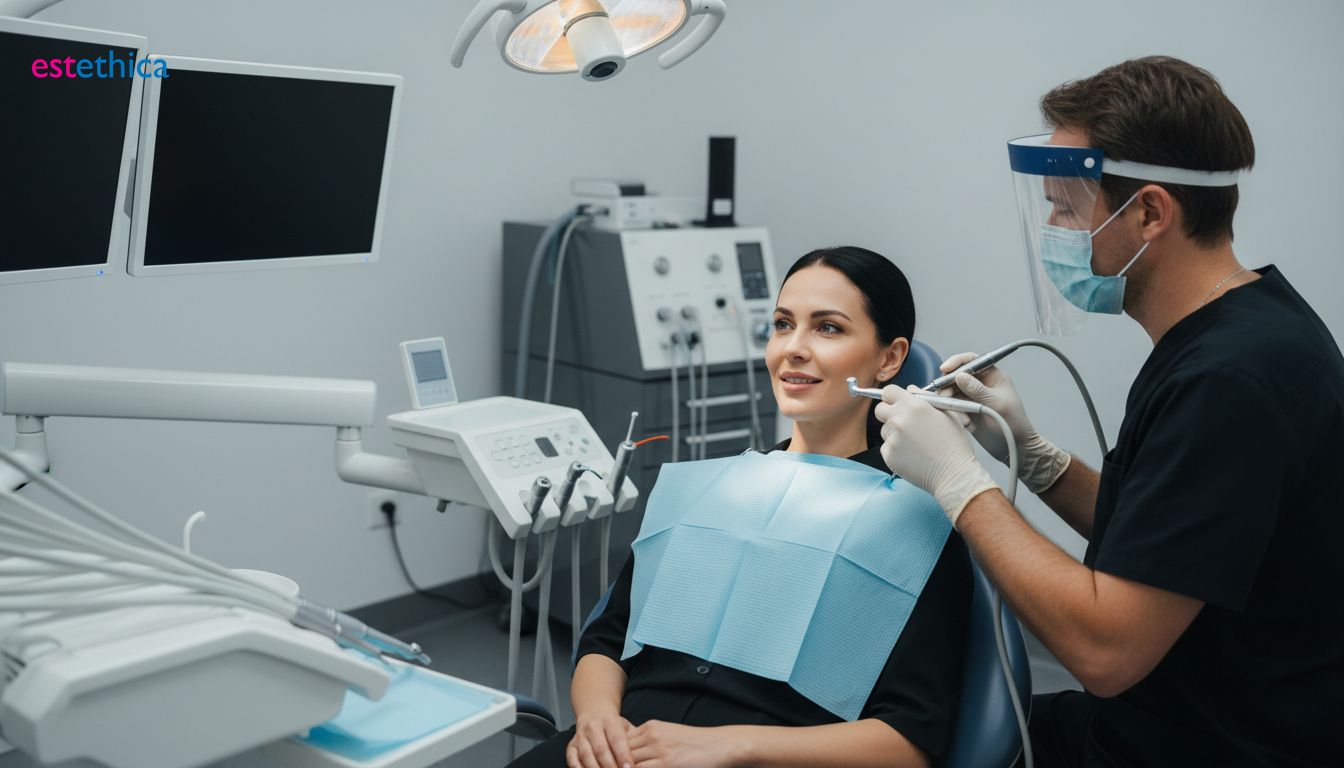
Another crucial benefit is that dental implants do not require altering adjacent healthy teeth. Traditional bridges, for example, necessitate grinding down neighboring teeth to anchor the prosthetic. This can compromise the integrity of these healthy teeth, making them more susceptible to decay and sensitivity. Dental implants, however, are independent units that anchor directly into the jawbone, leaving surrounding teeth untouched. Furthermore, the stability offered by implants is unparalleled. They provide a secure foundation for replacement teeth, allowing you to eat your favorite foods, speak clearly, and smile with complete confidence, free from the worry of slippage or discomfort often associated with dentures.
With proper care, dental implants are designed to last a lifetime, making them a truly cost-effective long-term solution for tooth loss. They also contribute significantly to improved oral hygiene. They are easier to clean than bridges and do not readily harbor food particles, reducing the risk of gum disease and decay. Understanding the full scope of these advantages helps in appreciating why dental implants are widely considered the gold standard in modern restorative dentistry. For more details on the financial aspects and comprehensive solutions available, you can explore Dental Implants: Cost & Solutions for Healthy Smiles. These incredible benefits highlight why investing in dental implants is investing in your long-term health and confidence.
Comparing Tooth Replacement Options
When faced with the concern of missing teeth, individuals often explore various solutions to restore both function and aesthetics. Traditional methods, such as dental bridges, have long been a popular choice. However, a significant drawback of this approach is the necessity to prepare healthy adjacent teeth by grinding them down to serve as anchors for the prosthetic bridge. This irreversible alteration can compromise the longevity of these supporting natural teeth.
Another common alternative is removable dentures. While dentures can offer a more immediate and often less expensive solution upfront, they come with their own set of challenges. Many patients find that dentures can feel less stable, potentially leading to discomfort during eating or speaking. The reliance on adhesives to secure them can also be a concern for some. Furthermore, dentures do not stimulate the jawbone, which can lead to bone loss over time, altering facial structure and fit.
Understanding the Advantages of Implants
In contrast to traditional options, dental implants represent a more advanced and integrated approach to tooth replacement. These artificial tooth roots, typically made of titanium, are surgically placed into the jawbone. This fusion process provides a remarkably stable foundation for a replacement tooth, mimicking the feel and function of natural teeth. Unlike bridges, implants do not rely on or affect neighbouring teeth, preserving their integrity and health. This makes them an excellent long-term solution.
While the initial dental implant cost might appear higher when compared to other methods, it's crucial to consider the long-term value. The durability and longevity of implants, coupled with their ability to prevent the bone loss that occurs with missing teeth, often make them a more cost-effective choice over the lifespan of the restoration. For those seeking detailed information on the financial aspects and various tooth replacement options, additional reading on Dental Implants: Latest Cost & Tooth Replacement Options can be highly beneficial.
A Comprehensive Look at Choices
The decision regarding tooth replacement is a significant one, impacting not only your smile but also your overall oral health. Dental implants offer superior chewing efficiency, comfort, and a natural appearance that is difficult to match. They integrate seamlessly with your bone structure, stimulating it and preventing the common issue of jawbone degradation associated with tooth loss. This preservation of bone mass is vital for maintaining facial contours and supporting remaining teeth. When weighing the pros and cons of different solutions, the long-term stability, aesthetic integration, and health benefits associated with dental implants often position them as the preferred choice for many individuals seeking a permanent and reliable restoration.

Comprehensive Dental Implant Solutions: Cost, Procedures, and Advantages
This guide provides an in-depth exploration of dental implant procedures, detailing each stage from initial consultation and planning through surgical placement, osseointegration, and final restoration. It highlights the advanced techniques employed to ensure successful integration and lasting results for comprehensive tooth restoration.
We break down the intricacies of different implant systems, including endosteal and subperiosteal implants, and discuss crucial considerations like sizing and treatment planning. Understanding these elements is vital for navigating the world of tooth restoration and making informed decisions about your oral health.
Expertise in dental implantology is showcased through detailed explanations of procedures and various implant types. The content demonstrates a deep understanding of the science behind osseointegration and the surgical aspects of implant placement. This knowledge forms the foundation for providing effective dental implant solutions.
The Trusted Path to Restoring Your Smile: Understanding Dental Implant Costs and Value
When considering missing teeth solutions, understanding dental implant costs is paramount. While an investment, implants offer a cost-effective long-term solution, designed to last a lifetime with proper care. This durability significantly enhances their value proposition compared to other options.
The journey to regaining a full, functional smile is made transparent, addressing common concerns about how much do dental implants cost. We provide a comprehensive look at the factors influencing price, ensuring clarity and building trust throughout the process.
The trustworthiness of dental implants as a solution is underscored by their stability, natural feel, and longevity. Unlike dentures or bridges, implants provide a permanent foundation that functions and looks like natural teeth. This reliability ensures a restored smile that enhances both function and confidence.