


Comprehensive guide to dental implants, covering cost, benefits, procedure, and alternatives. Essential reading for anyone considering tooth replacement.
Considering dental implants as a long-term solution for missing teeth? You're not alone. Dental implants offer a stable and natural-looking way to restore your smile and improve your oral health. In this comprehensive guide, we'll delve into the crucial aspects of dental implants, covering everything from understanding the investment involved and the numerous benefits they provide to demystifying the dental implant procedure itself. Discover why so many are turning to these advanced tooth replacement options and learn about the factors that make them a truly worthwhile investment in your well-being.How Much Do Dental Implants Cost?
When considering the transformative power of modern dentistry, understanding the associated dental implant cost is often a primary concern for many individuals seeking to restore their smiles and oral function. It's a natural question: how much do dental implants cost? The investment for this advanced solution can vary significantly, influenced by a range of factors that are unique to each patient's situation.
Factors Influencing the Overall Investment
Several key elements contribute to the final figure when evaluating how much do dental implants cost. The number of implants required is a major determinant; a single missing tooth will naturally have a different cost than replacing multiple teeth or an entire arch. Furthermore, the complexity of the specific dental implant procedure, including any necessary preparatory treatments like bone grafting or extractions, will impact the overall expense. The type and quality of materials used for the implant abutment and the final crown or prosthesis also play a role, as do the sophisticated technologies employed during the process. Geographic location of the dental practice can also present variations in pricing due to regional economic factors and practice overheads.
A Long-Term Perspective on Value
While the upfront dental implant cost may initially seem substantial, it's crucial to view this treatment as a long-term investment in your oral health and overall quality of life. Compared to traditional tooth replacement options that may require periodic adjustments or replacements, dental implants are designed for longevity and durability. Many patients find that their enduring functionality and natural appearance make them a highly cost-effective solution over the years. They can significantly improve chewing ability, speech, and self-confidence, providing benefits that extend far beyond the initial financial outlay. To truly understand the investment required for your specific needs, a detailed consultation with a qualified dental professional is essential. They can provide a personalized estimate and discuss various financing options that can make this life-changing treatment more accessible. For those looking to explore further details on making this option more budget-friendly, resources like Dental Implants: Affordable Cost & Treatment Options can offer valuable insights.

The Many Benefits of Dental Implants
When considering options for replacing missing teeth, dental implants stand out as a transformative and highly effective solution. Their advantages extend far beyond mere aesthetics, offering profound improvements to oral health, function, and overall quality of life. One of the most significant benefits of dental implants is their remarkable ability to preserve jawbone density. Unlike traditional dentures or bridges, which can exacerbate bone loss over time, implants function as artificial tooth roots. They integrate with the jawbone, providing the necessary stimulation that prevents the deterioration commonly seen after tooth extraction. This bone preservation is crucial for maintaining facial structure and preventing the sunken appearance that can result from extensive tooth loss. For those seeking comprehensive information, a great resource is Dental Implants: Advanced Solutions for Missing Teeth.
Preserving Oral Health and Facial Structure
The impact of lost teeth goes deeper than just the visual. The absence of tooth roots can lead to the jawbone shrinking, affecting not only your smile but also the overall shape of your face. Dental implants actively combat this by stimulating the bone, much like natural teeth do. This process helps to maintain the integrity of your jaw and the surrounding facial tissues, ensuring a more youthful and robust appearance. Furthermore, the stability offered by implants is unparalleled. You can eat your favorite foods, speak clearly, and laugh confidently without the worry of slippage or discomfort often associated with other forms of tooth replacement.
Restoring Confidence and Functionality
Beyond the physiological advantages, the functional and aesthetic outcomes of dental implants significantly boost self-esteem. They look, feel, and function like natural teeth, allowing for seamless integration into your smile. This restoration of functionality means you can enjoy a varied diet, improve your speech clarity, and engage in social activities without self-consciousness. The long-term durability and ease of maintenance further enhance their appeal. While the initial investment might seem considerable, understanding how much do dental implants cost in the long run reveals their value. Many patients find that the enhanced quality of life and the avoidance of future complications make dental implants a worthwhile investment. Discussing how much do dental implants cost with your dental professional can provide clarity on this aspect. When comparing different tooth replacement options, the enduring benefits of dental implants often make them the preferred choice for achieving a healthy, functional, and beautiful smile.
Dental Implant Procedure Explained
Understanding the dental implant procedure explained can significantly alleviate any concerns and prepare you for what to expect. This multi-stage process is designed to provide a stable, long-lasting solution for missing teeth. It begins with a comprehensive consultation and examination. During this initial phase, your dentist will assess your overall oral health, including the condition of your jawbone. This often involves taking detailed X-rays and potentially a CT scan to get a precise view of your bone structure and identify the optimal placement for the implant.
The Surgical and Healing Stages
If you are deemed a suitable candidate for dental implants, the first surgical step involves the placement of a small titanium post directly into the jawbone, precisely where the tooth is missing. Titanium is chosen for its biocompatibility, meaning it integrates seamlessly with bone tissue. This post acts as the artificial root of the tooth. The subsequent healing period is crucial; over several months, a natural process called osseointegration occurs. During osseointegration, the jawbone gradually fuses with the titanium implant, creating an incredibly strong and stable foundation. This biological bonding is essential for the long-term success of the restoration. While patients often inquire about how much do dental implants cost, it's important to first understand the value and complexity of this transformative procedure. For a comprehensive overview, consider reading Dental Implants: Cost, Procedure & Tooth Replacement.
Restoration and Finalization
Once the osseointegration is complete and the implant is firmly integrated with the bone, the next phase involves attaching a connector piece known as an abutment. This abutment protrudes slightly above the gum line and serves as the base for the final restoration. Finally, a custom-made crown, meticulously crafted to match the color, shape, and size of your natural teeth, is securely attached to the abutment. This final step results in a fully functional and aesthetically pleasing replacement tooth. The entire dental implant procedure explained typically involves multiple appointments over several months, ensuring each stage is completed with precision for optimal results.
Comparing Tooth Replacement Solutions
Considering the investment? Many patients find that the long-term value and functional benefits make the dental implant cost worthwhile. Understanding how much do dental implants cost involves looking at the entire process and the durable results they offer.
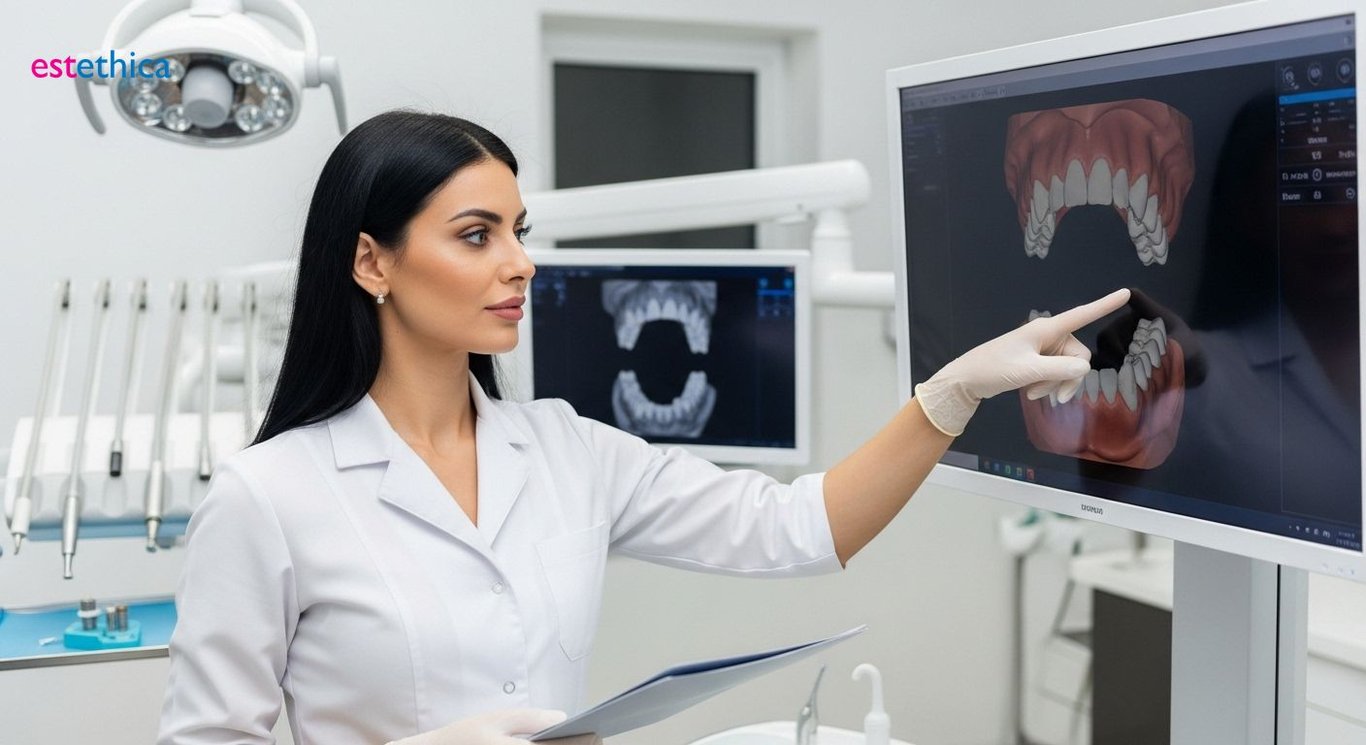
Explore Your Tooth Replacement Options
When faced with the challenge of missing teeth, it's reassuring to know that modern dentistry offers a variety of effective solutions designed to restore both function and aesthetics. Understanding these options is the first step toward making an informed decision about your oral health.
Traditional Approaches
Historically, removable dentures, whether full or partial, have been a common choice for replacing missing teeth. These appliances can significantly improve chewing ability and speech, and they are often a more budget-friendly initial option. However, they may require adhesives for stability and can sometimes feel less natural than other methods. Another established method is the dental bridge. This involves using the adjacent healthy teeth as anchors to support a prosthetic tooth or teeth in the gap. While effective for filling the space, a bridge requires altering the supporting natural teeth.
The Advantages of Modern Solutions
For those seeking a more permanent and integrated solution, advanced options are available. An implant supported bridge offers a fixed restoration for multiple missing teeth, anchored directly by implants, providing excellent stability and a natural feel. Similarly, individual dental implants represent a significant advancement in restorative dentistry. These small, biocompatible posts are surgically placed into the jawbone, acting as artificial tooth roots. Once integrated with the bone, they provide a strong foundation for crowns, bridges, or dentures. This integration helps to preserve the jawbone, preventing the bone loss that can occur with other replacement methods. Many find the stability and natural appearance of implants to be unparalleled. If you're curious about the details, a comprehensive guide like Dental Implants: Cost, Options & Procedure Explained can offer further insight into the process and what to expect.
The decision on the best path forward is highly personal and depends on various factors, including your overall health, the condition of your remaining teeth and jawbone, and your specific aesthetic goals. Consulting with a dental professional is crucial. They can assess your unique situation, discuss the pros and cons of each available method, and help you determine which of the tooth replacement options will best suit your needs and provide the most satisfying and long-lasting results. While the initial dental implant cost might seem higher, many patients find the long-term benefits in terms of durability and quality of life to be well worth the investment. Understanding your choices empowers you to achieve a healthy, confident smile.

Comprehensive Dental Implant Guide: Understanding Procedure, Benefits, and Cost
Expert insights are provided on factors influencing the overall investment in dental implants, addressing the common question of how much do dental implants cost . This detailed breakdown helps individuals understand the financial considerations involved in restoring their smiles. The guide emphasizes that while the upfront dental implant cost may seem substantial, it represents a long-term investment in oral health and overall quality of life.
Your Trusted Guide to Dental Implants: From Procedure to Long-Term Value
The guide offers reassurance by demystifying the dental implant procedure explained, detailing the surgical placement of titanium posts and the subsequent attachment of abutments. This step-by-step explanation, covering osseointegration and the final restoration, builds trust by clearly outlining what to expect. It validates the claim that dental implants are a worthwhile investment in your well-being.