


Unlock the secret to a brilliant smile with dental implants. Understand the science, benefits, and innovative solutions available for restoring oral health.
Discover how dental implants can transform not only your smile but also your confidence. Gain insights into the science behind dental implants, ideal candidates, and innovative solutions for complex cases.
Understanding Osseointegration: The Science Behind Lasting Dental Implants
The Biological Basis of Osseointegration
Osseointegration, at its core, is a biological marvel that allows dental implants to become permanently fused with the jawbone. This process involves direct structural and functional connection between living bone and the surface of a load-bearing artificial implant. Several factors influence osseointegration, including the biocompatibility of the implant material, the health of the patient's bone tissue, and the surgical technique used during implant placement. A rough implant surface, for example, promotes better bone cell attachment compared to a smooth surface. This fusion provides a stable, long-term foundation for artificial teeth, ensuring they function similarly to natural teeth.
Factors Influencing the Longevity of Dental Implants
- Material Composition: Implants made from high-grade titanium alloys are highly biocompatible and promote osseointegration, leading to increased durability.
- Oral Hygiene Practices: Consistent oral hygiene, including brushing and flossing, prevents peri-implantitis, a condition that can compromise implant stability.
- Regular Dental Check-ups: Routine dental visits allow for early detection and treatment of any issues that could potentially affect the lifespan of the implants.
Maintaining the longevity of dental implants involves a combination of factors. Good oral hygiene prevents bacterial infections that can compromise the implant's integration. Careful patient selection ensures optimal bone density and overall health.

Who Is the Right Candidate for Dental Implants? Identifying Ideal Candidates
Essential Health Criteria for Implant Success
The cornerstone of successful dental implant procedures lies in the patient's overall health and specific oral conditions. Ideal candidates generally possess good systemic health, which supports the body’s ability to heal and integrate the implant. Sufficient jawbone density is crucial, providing a stable foundation for the implant; bone grafting may be an option for those with inadequate bone volume. Moreover, individuals should be free from uncontrolled systemic diseases like diabetes, which can impair healing, and severe periodontal issues that might jeopardize the implant’s stability. Non-smokers or those willing to quit smoking have a higher success rate, as smoking negatively impacts osseointegration and gum health. Ultimately, a comprehensive evaluation by a qualified dental professional is essential to determine candidacy.
Assessing Candidacy for Dental Implants
- Comprehensive Evaluation: A thorough assessment includes medical history, clinical examination, and imaging to evaluate jawbone density and overall oral health.
- Systemic Health Assessment: Ruling out conditions such as uncontrolled diabetes or autoimmune diseases that could compromise healing and implant success.
- Lifestyle Factors: Evaluating habits like smoking, which can significantly impact the osseointegration process and long-term implant stability.
Full Mouth Dental Implants Procedure: Step-by-Step Guide
Navigating the Full Mouth Dental Implant Journey
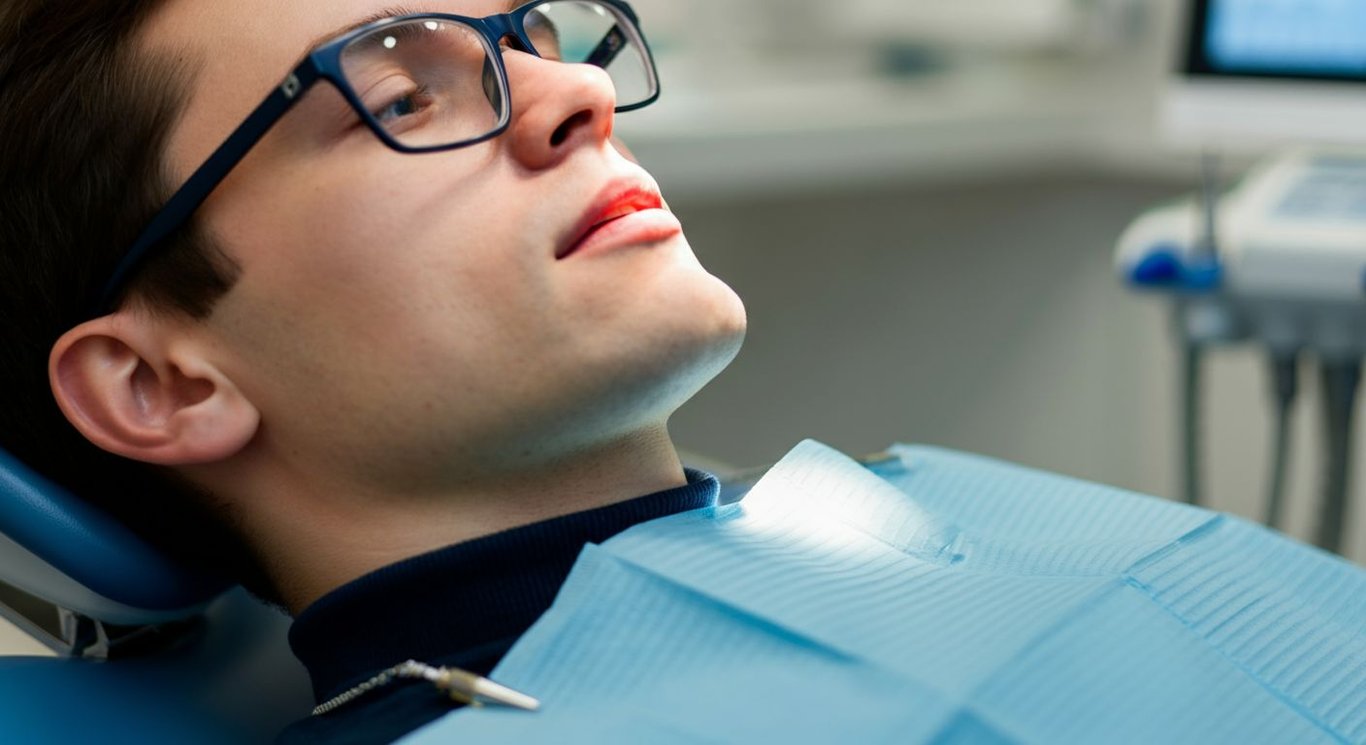
Embarking on a full mouth dental implant procedure involves meticulous planning and execution, designed to restore complete dental function and aesthetics. Initially, a comprehensive consultation is conducted, where the dental team evaluates the patient's oral health, bone structure, and overall health status. If bone density is insufficient, a bone grafting procedure might be necessary to ensure adequate support for the implants. Subsequently, the surgical phase involves the precise placement of dental implants into the jawbone, acting as artificial tooth roots. The osseointegration period follows, during which the implants fuse with the bone. Finally, custom-made prosthetic teeth are attached to the implants, completing the transformation. This rigorous approach ensures that patients receive durable and natural-looking teeth, enhancing their quality of life.
Key Stages of the Dental Implant Process
- Initial Evaluation and Planning: Comprehensive assessment to determine suitability and plan the implant placement.
- Surgical Placement: Precise insertion of dental implants into the jawbone to serve as artificial tooth roots.
- Prosthetic Attachment and Adjustment: Attachment of custom-made teeth, ensuring proper fit, function, and aesthetics.
Zygomatic Dental Implants: An Innovative Solution for Complex Cases
Exploring Zygomatic Implant Solutions
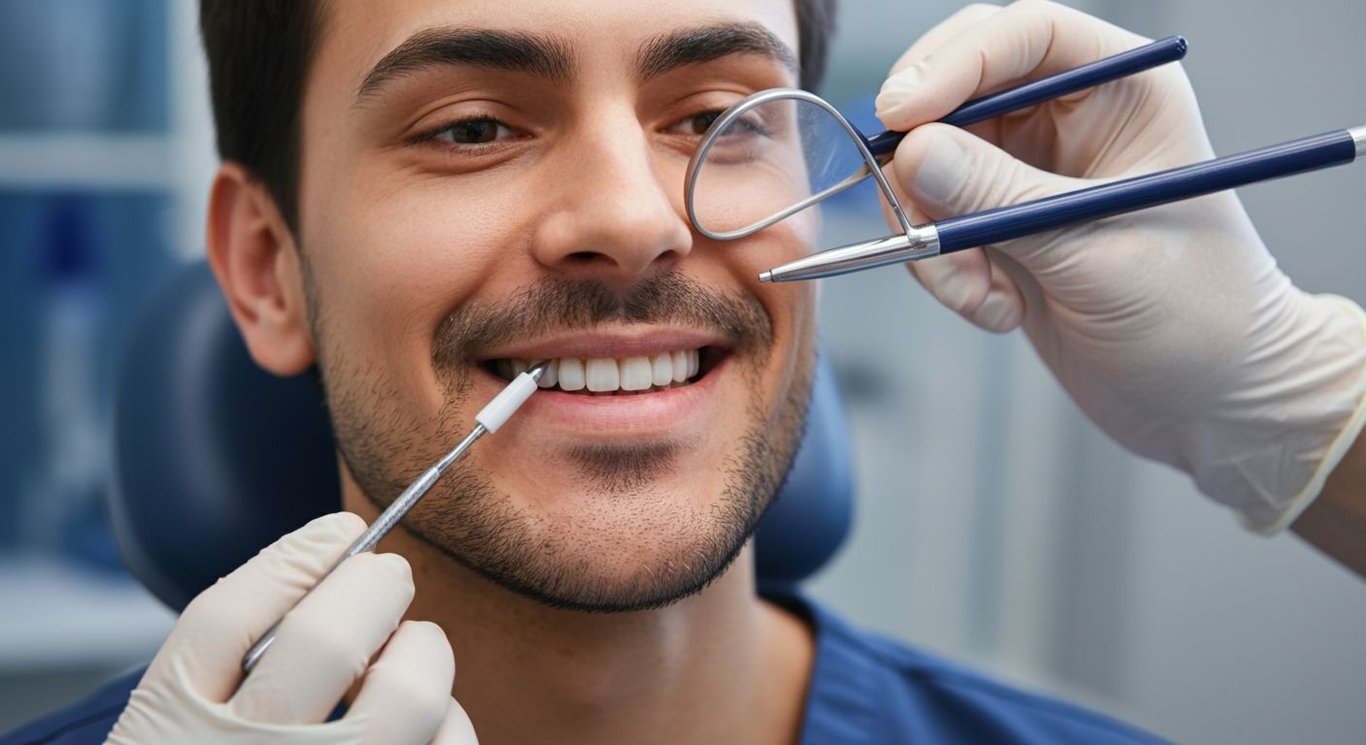
For patients with significant bone loss in the upper jaw, zygomatic implants offer a remarkable alternative. These implants are anchored in the cheekbone (zygoma), providing stability for the attached prosthesis. Zygomatic implants often eliminate the need for bone grafting, shortening treatment time and enhancing patient satisfaction. This approach is particularly beneficial for individuals who have experienced extensive bone resorption due to prolonged tooth loss or other medical conditions. With zygomatic implants, patients can regain full dental function and aesthetics without the extended recovery periods associated with traditional bone grafting procedures. estethica ensures that each zygomatic implant procedure is customized to meet the specific needs of the patient. Using advanced imaging and planning techniques, the implant team at estethica strives to achieve optimal results with maximum patient comfort.
Benefits of Choosing Zygomatic Implants
- Reduced Treatment Time: Zygomatic implants eliminate the need for bone grafting, significantly shortening the overall treatment timeline.
- Enhanced Stability: Anchoring in the cheekbone provides a solid and stable foundation for the dental prosthesis, ensuring long-term success.
- Improved Patient Satisfaction: Patients experience immediate improvements in dental function and aesthetics, leading to higher satisfaction levels.
Osseointegration Expertise: Ensuring Lasting Dental Implant Success through Advanced Materials and Techniques
estethica employs high-grade titanium alloys and precise surgical techniques to promote optimal osseointegration, the biological process critical for long-term dental implant stability. The rough implant surface technology enhances bone cell attachment, while careful patient selection ensures the best conditions for successful fusion between the implant and jawbone.
estethica's dental implant specialists possess extensive experience in assessing patient candidacy, ensuring that individuals with sufficient bone density and good systemic health are selected for the procedure. Their deep understanding of osseointegration allows them to tailor treatment plans that maximize implant longevity and patient satisfaction.
Meticulous Full Mouth Implant Procedures Restore Complete Dental Function with Custom Prosthetics
estethica's full mouth dental implant procedures involve a comprehensive consultation, precise surgical placement, and custom-made prosthetic attachment. This rigorous approach guarantees durable, natural-looking teeth that enhance patients' quality of life, with careful attention to detail at every stage.
Patients at estethica benefit from a team dedicated to restoring complete dental function and aesthetics through meticulously planned and executed implant procedures. The clinic's focus on individual needs and use of advanced techniques ensure high levels of patient satisfaction and long-term success.
Frequently Asked Questions
What is osseointegration, and why is it important for dental implants?
Who is considered an ideal candidate for dental implants?
What are zygomatic dental implants, and when are they used?
What are the key steps involved in a full mouth dental implants procedure?
Achieve your aesthetic goals with estethica's personalized treatments and expert guidance.
📞 Schedule Your Free Consultation!