


Your guide to dental implants, covering cost, procedure, recovery, and tooth replacement options.
Considering dental implants for a radiant smile? This comprehensive guide delves into the essentials of dental implants, covering everything from understanding what they are and the various tooth replacement options available, to the crucial aspects of dental implant cost and the entire dental implant procedure details. We'll also navigate the important dental implant recovery process, ensuring you're well-informed every step of the way. Discover how cosmetic dentistry implants can transform your look and explore the possibilities of full mouth dental implants. If you're asking "What are dental implants?" or "How long does a dental implant procedure take?", you've come to the right place for answers.What are Dental Implants? Your Tooth Replacement Options
Missing teeth can significantly impact your quality of life, affecting everything from your ability to eat and speak comfortably to your overall self-confidence. Fortunately, modern dentistry offers advanced solutions, and among the most effective are dental implants. These remarkable prosthetics are designed to provide a stable, long-lasting foundation for artificial teeth, seamlessly integrating with your natural jawbone. Unlike traditional dentures or bridges, implants function much like the root of a natural tooth, offering superior stability and crucially, helping to preserve your jawbone health. This makes them a highly sought-after option for restorative care, representing a significant leap forward in replacing lost dentition.
For those exploring various tooth replacement options, dental implants distinguish themselves through their exceptional longevity and functional benefits. The process involves placing a small, screw-like post, typically made from biocompatible titanium, directly into the jawbone. Over time, a remarkable biological process called osseointegration occurs, where the bone fuses with the implant. This creates an incredibly strong and secure anchor, capable of supporting a custom-made crown, bridge, or even a full set of dentures. Understanding the intricacies of the dental implant procedure details can help in making informed decisions about your oral health.
Understanding the Types and Benefits
There are generally two primary categories of dental implants: endosteal and subperiosteal. Endosteal implants are the most common type and are surgically inserted directly into the jawbone, often resembling screws, blades, or cylinders. For individuals with insufficient natural jawbone density, subperiosteal implants may be considered. These are placed on top of the jawbone but beneath the gum tissue, providing an alternative anchoring mechanism. The advantages of opting for these advanced solutions are numerous. They dramatically improve your capacity to chew and speak clearly, enhance your facial aesthetics by preventing the bone resorption that typically occurs after tooth loss, and boast a durability far exceeding conventional methods. Moreover, unlike dental bridges, they do not necessitate the alteration of adjacent healthy teeth. If you're interested in a deeper dive into the entire process and what to expect, our comprehensive resource, Dental Implants: Your Comprehensive Guide, offers further insights.
The consideration of dental implant cost is a common concern for many patients. While the initial investment might seem higher compared to some traditional methods, it's essential to weigh this against the long-term benefits. The durability and lasting functionality of implants often translate to greater value over time. Discussing the specific dental implant cost with your dental professional is crucial to understand the factors influencing the overall expense, including the number of implants needed and any preparatory procedures. Furthermore, understanding the dental implant procedure details, including the recovery timeline and associated costs, is a vital part of the planning phase. While the upfront price is a factor, the enduring advantages in terms of function, aesthetics, and oral health preservation make dental implants a valuable investment for many.

Understanding Dental Implant Cost: How Much Do They Cost?
Factors Influencing Dental Implant Cost
Determining the investment required for dental implants involves understanding several contributing factors. The overall expense isn't a fixed figure; it can vary significantly based on the number of implants needed, the complexity of the case, the materials utilized, and the geographical location of the dental practice. A single dental implant typically comprises the implant post, the abutment (the connector piece), and the crown (the visible tooth). Each of these components adds to the total dental implant cost. For instance, advanced bone grafting or sinus lift procedures, if required to prepare the jawbone for the implant, will also increase the overall expense. Understanding these variables is crucial when you're researching what your treatment might entail. We delve deeper into the affordability and options in our article, Dental Implants: Affordable Cost & Treatment Options, which can provide further context.
Breakdown of Dental Implant Costs
When budgeting for dental implants, consider these potential cost components: the initial consultation and diagnostic imaging (X-rays, CT scans), the surgical placement of the implant post, the abutment surgery, the custom-made crown, and any necessary preparatory procedures like extractions or bone grafts. These elements contribute to the comprehensive dental implant procedure details that your dentist will outline. Some patients opt for full mouth restorations using implants, which involve a more extensive treatment plan and thus a higher total investment, though often with a more favorable per-implant cost compared to individual placements. Each step in the dental implant procedure details is important for ensuring a successful and aesthetically pleasing outcome. The quality of materials, such as titanium for the implant post and high-grade ceramics for the crown, also plays a role in the long-term durability and appearance, influencing the initial dental implant cost.
Navigating Costs and Insurance
It's essential to have a transparent discussion with your dentist about the projected dental implant cost and potential payment plans. While dental insurance coverage for implants can vary, many plans offer partial coverage, especially if the implant is deemed medically necessary. Understanding your insurance policy and exploring financing options can help make the investment in your oral health more manageable. Don't hesitate to ask your dental team for a detailed breakdown of all anticipated expenses. This clarity will empower you to make informed decisions about proceeding with your treatment and achieving the smile you desire.
The Dental Implant Procedure: What to Expect
Embarking on the journey to replace missing teeth with dental implants involves a carefully orchestrated, multi-stage process. Understanding these steps is key to managing expectations and appreciating the long-term benefits of this advanced tooth replacement solution. The path typically begins with a comprehensive dental examination. This crucial initial phase involves detailed assessments, including sophisticated imaging like X-rays and possibly a CT scan. These tools allow your dentist to meticulously evaluate the health and structure of your jawbone, identify any potential issues, and precisely plan the optimal placement of the implant. This personalized approach ensures that the treatment is tailored to your unique oral anatomy, addressing fundamental questions about what are dental implants in your specific context and laying the groundwork for a successful outcome.
Surgical Placement and Osseointegration: The Foundation of Stability
The first significant surgical phase involves the precise placement of the titanium implant post directly into the jawbone. This is a carefully executed procedure designed to create a robust anchor for your new tooth. Following the surgery, a vital healing period of several months ensues. This extended timeframe is essential for a biological process known as osseointegration. During osseointegration, your jawbone gradually fuses with the titanium implant, effectively becoming one. This remarkable biological bonding is what provides dental implants with their exceptional stability, durability, and natural feel, making them a long-lasting solution. Throughout this period, your dentist will closely monitor your progress to ensure successful integration before moving to the subsequent stages.
Abutment and Crown Placement: Restoring Function and Aesthetics
Once osseointegration is successfully complete, the next step is the attachment of a small connector piece called an abutment to the embedded implant post. The abutment protrudes slightly through the gum line and serves as the crucial support structure for your custom-made artificial tooth. Finally, a beautifully crafted crown, meticulously designed to perfectly match the shade, shape, and size of your existing natural teeth, is securely affixed to the abutment. For individuals opting for full mouth dental implants, this meticulous process is either replicated for each missing tooth or a specialized bridge is attached to multiple implants, offering a comprehensive restoration. Understanding the dental implant procedure details highlights the importance of patience and allows for informed decisions regarding your oral health.
It's important to note that while the dental implant procedure involves these distinct stages, the overall timeline can vary significantly based on individual healing rates and the complexity of the case. If bone grafting is required prior to implant placement, additional healing time will be necessary. Discussing the anticipated dental implant procedure details with your dental professional will provide a clearer picture of your personal treatment journey. Exploring Dental Implants: Your Solution for Modern Tooth Replacement can offer further insights into why this method is a preferred choice for many seeking lasting tooth restoration.
Dental Implant Recovery Process: Tips for Healing
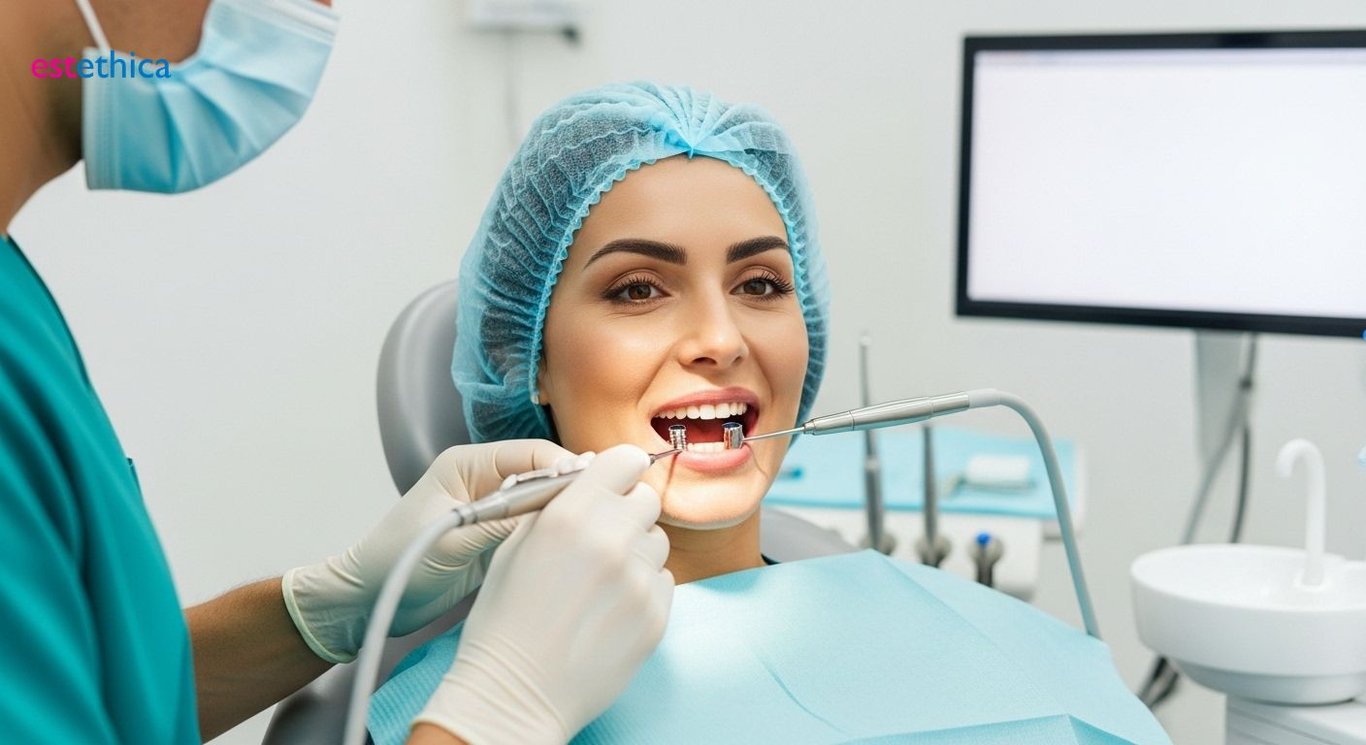
The phase following dental implant surgery is crucial for ensuring the long-term success and stability of your new teeth. While most individuals experience manageable discomfort, understanding the typical progression of healing can significantly alleviate any anxieties. In the immediate hours after the procedure, some localized swelling, bruising, and minor bleeding are common. Your dental professional will equip you with specific post-operative instructions tailored to your case, aimed at promoting optimal healing and minimizing any potential risks associated with the dental implant procedure details.
Managing Post-Operative Discomfort and Swelling
Prioritizing pain management is essential during the initial stages of recovery. Over-the-counter pain relievers or prescription medications, as advised by your dentist, can effectively manage discomfort. Applying cold compresses or ice packs to the exterior of the affected facial area for intermittent periods can also help reduce swelling and numb the pain. It is highly recommended to rest and avoid any strenuous physical activities for the first 24 to 48 hours after your surgery. Gentle care of the surgical site is paramount; refrain from touching, poking, or otherwise disturbing the implant area to prevent complications. For those seeking comprehensive information on restorative solutions, exploring Dental Implants: Modern Solutions for Permanent Tooth Replacement can provide valuable insights into the benefits and process.
Dietary Considerations and Maintaining Oral Hygiene
Throughout the healing period, it is advisable to adhere to a soft diet. This helps protect the surgical site from excessive pressure or accidental injury. As your healing progresses and in accordance with your dentist's guidance, you can gradually reintroduce firmer foods into your diet. Maintaining impeccable oral hygiene is vital, but this requires a delicate approach. Use a soft-bristled toothbrush, cleaning around the implant area with utmost care, and rinse with a mild, antiseptic mouthwash as directed. Abstaining from smoking and limiting alcohol consumption are also critical steps, as these habits can significantly impede the healing process and compromise the successful integration of your dental implants. Adhering to these recommendations ensures a smoother recovery and contributes to the longevity and aesthetic success of your dental implants.

Precision Dental Implants Tailored for Optimal Jaw Structure Integration
Expertise in dental implants focuses on understanding the intricacies of your unique jaw structure, ensuring a perfect fit and long-term stability. We utilize advanced diagnostic tools to meticulously plan implant placement, guaranteeing seamless integration with your natural bone.
This precise approach minimizes the risk of complications and maximizes the success rate of your dental implant treatment. Our specialized techniques ensure that each implant is perfectly aligned for both function and aesthetics.
Our dental professionals possess extensive experience in implant dentistry, staying abreast of the latest advancements in surgical techniques and materials. Continuous training ensures we offer the most innovative and effective solutions for tooth replacement.
We are dedicated to providing comprehensive dental implant information, empowering patients with the knowledge to make informed decisions about their oral health and smile restoration.
Seamless Dental Implant Recovery for Lasting Health and Comfort
We prioritize a smooth and efficient recovery process, offering expert guidance on managing post-operative discomfort and swelling. Our tailored advice ensures your healing is optimized for long-term implant success.
Detailed post-operative care instructions, including dietary considerations and essential oral hygiene practices, are provided to promote optimal healing and maintain the longevity of your new teeth.
Patients consistently report high satisfaction with their dental implant treatment, citing improved quality of life and restored confidence. The careful planning and execution of the implant procedure contribute to predictable and excellent results.
From understanding the initial dental implant cost to the final fitting of your custom crown, we ensure transparency and patient comfort throughout the entire process, fostering a relationship built on trust.