


Discover comprehensive information on dental implants, including procedure details, cost considerations, various types, and the process for full mouth restoration. Learn about the best solutions for tooth loss and understand what makes dental implants a superior tooth replacement option.
Are you considering dental implants as a solution for tooth loss? This comprehensive guide will walk you through everything you need to know about dental implants, from the initial procedure to understanding the full mouth dental implants cost. We'll explore the various types of dental implants available and what makes them an effective tooth replacement option. Whether you're wondering how much do dental implants cost or what are dental implants used for, this resource provides clear insights to help you make an informed decision about restoring your smile.Understanding Dental Implants for Tooth Loss
Losing a tooth can be a distressing experience, impacting not only your smile's aesthetics but also your ability to eat, speak comfortably, and even your overall oral health. Fortunately, modern dentistry offers a highly effective and durable solution: dental implants. Unlike traditional dentures or bridges, which rest on the gums or adjacent teeth, dental implants are designed to mimic the natural root structure of a tooth. This revolutionary approach provides a stable, long-lasting foundation for a replacement tooth, known as a crown. The primary goal of dental implants is to restore both the function and appearance of your smile, while crucially preventing the bone loss that often occurs when a tooth is missing. This makes them an excellent choice for individuals seeking a permanent and reliable tooth replacement option.
What are Dental Implants?
At their core, dental implants are small, biocompatible posts, typically made of titanium, that are surgically placed into the jawbone. They serve as artificial tooth roots. Once the implant integrates with the bone, a connector called an abutment is attached, and finally, a custom-made crown is secured on top. This crown perfectly matches your natural teeth in color, shape, and size, ensuring a seamless and aesthetically pleasing result. The process of osseointegration, where the bone fuses with the implant, is what gives dental implants their exceptional stability and longevity, far surpassing other tooth replacement methods. Understanding the fundamental nature of these implants is the first step toward appreciating their significant benefits.
The Importance of Replacing Missing Teeth
When a tooth is lost, the underlying jawbone no longer receives the stimulation it needs from the tooth's root. Over time, this can lead to bone resorption, causing the jawbone to shrink. This not only affects the structure of your face, potentially leading to a sunken appearance, but can also cause adjacent teeth to shift into the gap. Furthermore, missing teeth can make chewing and speaking more challenging. Dental implants address these issues comprehensively. By stimulating the jawbone, they prevent bone loss and maintain facial structure. They also provide a fixed, stable anchor for the replacement tooth, ensuring normal chewing function and clear speech. For those considering their options, exploring the "Dental Implants: Understand Current Costs & Benefits" can offer valuable insights into making an informed decision about this transformative treatment. The benefits extend far beyond just aesthetics, contributing significantly to overall oral health and quality of life.

Types of Dental Implants Explained
Navigating the world of restorative dentistry can feel complex, especially when considering the various options available for replacing missing teeth. A cornerstone of modern tooth replacement is the dental implant, a sophisticated solution designed to mimic the natural tooth root. However, not all dental implants are created equal. Understanding the different types is a crucial first step in determining the most suitable treatment for your individual needs. The choice between implant types can significantly impact the success of the procedure and the long-term health of your smile.
Endosteal vs. Subperiosteal Implants
The most common classification of dental implants distinguishes between endosteal and subperiosteal types. Endosteal implants are the gold standard and are surgically placed directly into the jawbone. These implants typically resemble small screws or cylinders and serve as a stable foundation for prosthetic teeth. Once placed, the jawbone fuses with the implant through a process called osseointegration, creating an incredibly strong and durable anchor. For patients who have sufficient healthy jawbone, this is generally the preferred method.
In contrast, subperiosteal implants are an alternative for individuals who do not have enough healthy natural bone to support endosteal implants. Instead of being embedded within the bone, these implants consist of a metal framework that is fitted onto the jawbone just below the gum tissue. Posts are then attached to the framework, protruding through the gums to hold the artificial teeth. While less common than endosteal implants, they offer a viable solution for those with bone loss or inadequate bone height, avoiding the need for extensive bone grafting procedures in some cases.
Material and Design Considerations
Beyond these primary classifications, implants can also vary in their material composition and design. Titanium and titanium alloys are overwhelmingly the most frequently used materials due to their exceptional biocompatibility. This means the body readily accepts titanium, and it integrates seamlessly with the bone, forming a solid bond. Other materials, like ceramic, are also emerging, offering aesthetic advantages and metal-free options for patients.
The specific design of the implant, including its shape, size, and surface texture, is also tailored to the patient's unique anatomy and the intended prosthetic outcome. The selection of the appropriate implant type is a decision made in consultation with your dental professional, considering factors such as your overall oral health, the precise location of the missing tooth or teeth, and your aesthetic goals. Exploring these different types is essential for understanding the full scope of possibilities. For a deeper dive into the comprehensive aspects of this treatment, you can find more detailed information on the Dental Implants: Cost & Treatment Process Explained.
The Dental Implant Process: Step-by-Step
Embarking on the journey to restore your smile with dental implants is a structured and carefully orchestrated process, designed to ensure optimal integration and long-lasting results. Understanding each phase can help alleviate any concerns and prepare you for what to expect. The initial step involves a comprehensive consultation and examination. During this visit, your dental professional will conduct a thorough assessment of your oral health, including detailed medical history. Crucially, advanced imaging techniques such as X-rays and 3D scans are employed. These allow for a precise evaluation of your jawbone density and structure, identifying the ideal placement for the implant and detecting any potential issues that might require preliminary treatment. This detailed planning is fundamental to the success of the entire dental implant procedure and is often where discussions about dental implant cost begin.
Pre-Implant Preparations and Surgical Placement
Following the initial assessment, if it's determined that your jawbone doesn't possess sufficient volume or density to adequately support an implant, a bone grafting procedure may be recommended. This involves augmenting the jawbone with bone material, allowing it to heal and strengthen over several months. Once the jawbone is deemed ready, the next critical phase is the surgical placement of the dental implant post. This small, yet robust, titanium screw is carefully inserted directly into the jawbone, serving as a stable foundation for your new tooth. This is a key stage in the dental implant procedure, requiring precision and expertise from your surgeon. Many patients find that understanding the intricacies of the dental implant procedure and cost at this stage helps them make informed decisions.
Osseointegration, Abutment Attachment, and Crown Placement
After the implant post has been surgically placed, a crucial healing period commences. This phase is known as osseointegration, during which the jawbone gradually fuses with the titanium implant, creating an exceptionally strong and stable bond. This biological process typically takes several months. Once osseointegration is complete, the next step is to attach an abutment to the implant. The abutment is a connector piece that will support the artificial tooth. It’s carefully affixed to the visible portion of the implant. Finally, a custom-made dental crown, designed to perfectly match the color, shape, and size of your natural teeth, is secured to the abutment. This final restoration completes the dental implant process, restoring both the function and aesthetics of your smile. For a more in-depth look at what influences the overall dental implant cost, you can explore resources like Dental Implants: Latest Cost & Tooth Replacement Options.
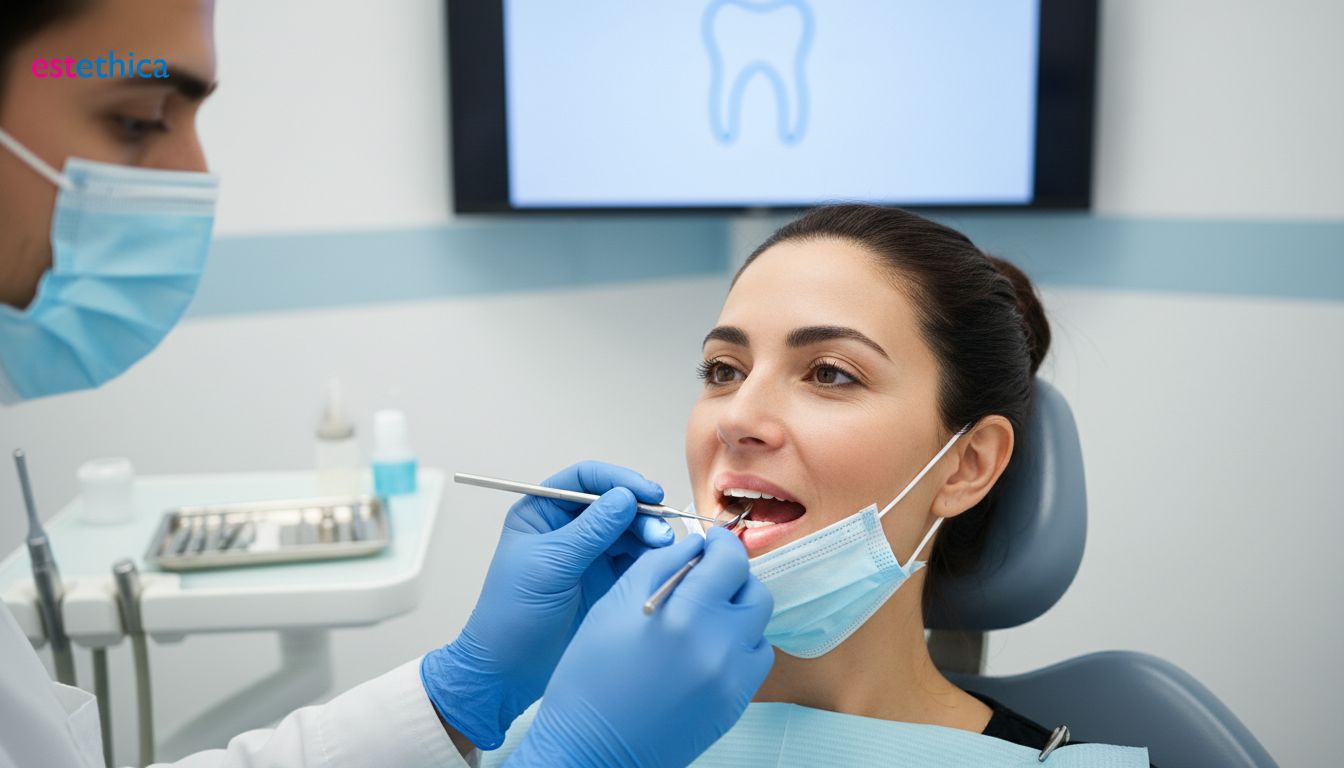
Full Mouth Dental Implants Cost Factors
The overall expense associated with full mouth dental implants can fluctuate considerably. Understanding these variables is crucial for patients considering this transformative treatment. Several key elements contribute to the final price, making each patient's journey unique. It is important to consider these factors when evaluating the dental implant cost.
Core Cost Determinants
One of the primary drivers of the dental implant cost is the number of implants required. While a single missing tooth might necessitate just one implant, replacing an entire arch or a full set of teeth will involve a greater number of implants. The complexity of the surgical procedure also plays a significant role. If a patient has experienced significant bone loss, procedures like bone grafting or sinus lifts may be necessary before implants can be placed. These additional surgical interventions add to the overall treatment plan and, consequently, the total expense. The quality and type of prosthetic teeth attached to the implants – whether they are made from acrylic, porcelain, or other advanced materials – will also influence the final price. Furthermore, the specific materials and design of the implants themselves can vary, impacting the initial investment. These considerations are fundamental when understanding the dental implant procedure and cost.
Additional Influencing Elements
Beyond the immediate surgical and prosthetic components, other factors contribute to the price of full arch restorations. Geographic location is a well-documented influence on healthcare costs, and dental procedures are no exception. Practices in major metropolitan areas or regions with a higher cost of living may naturally have higher fees. The experience and reputation of the dental surgeon and their team also factor into the equation. Highly skilled and experienced specialists may command higher fees due to their expertise and successful track record. It's also worth noting that the comprehensive nature of the Dental Implants: Cost, Treatment & Modern Solutions can mean that the initial outlay for dental implants might seem substantial. However, patients often find that the long-term benefits – including unparalleled durability, improved chewing function, and enhanced confidence – make the investment in full mouth dental implants a worthwhile endeavor. Considering the entirety of the dental implant procedure and cost involves looking beyond the immediate expense to the lifelong advantages provided by this superior tooth replacement solution.

Advanced Dental Implant Techniques for Restoring Smiles
This guide delves into the intricacies of modern dental implants, exploring their function in addressing tooth loss and the advanced materials utilized. We detail the comprehensive process, from initial consultation to the final restoration, emphasizing the technological integration that ensures successful outcomes.
Understanding the core of dental implants involves recognizing their role as biocompatible posts, typically titanium, surgically placed in the jawbone to mimic natural tooth roots. This foundational approach is crucial for long-term stability and bone health, preventing the deterioration that occurs after tooth extraction.
Our approach to dental implantology is grounded in extensive research and the latest advancements in restorative dentistry. We are committed to providing detailed information, ensuring patients have a clear understanding of their treatment options and the procedures involved.
Specializing in tooth replacement solutions, we offer in-depth guidance on various implant types and their specific applications. Our focus is on educating individuals about their oral health journey and empowering them to make informed decisions about restoring their smile's function and aesthetics.
Navigating Your Dental Implant Journey: From Procedure to Cost
Embarking on the journey to restore your smile with dental implants is a structured process, and this guide illuminates each step. From pre-implant assessments and surgical placement to osseointegration and final crown attachment, we ensure transparency.
We address the critical aspect of dental implant costs, detailing the core determinants and additional elements that influence the final price. Our aim is to provide a transparent and understandable overview of the financial investment involved in achieving a restored smile.
Understanding the nuances of restorative dentistry, especially concerning dental implants, can be complex. This guide simplifies the process, offering clarity on what are dental implants used for and the benefits of choosing them as a tooth replacement option.
Our commitment is to guide you through every stage, ensuring you are well-informed about the latest dental implants and the best dental implants available. By providing detailed information on dental implants centers and appointments, we facilitate a smooth and reassuring patient experience.