


Explore comprehensive dog training techniques to improve your pet's behavior and enhance your bond.
In today's fast-paced world, achieving the ideal physical appearance has become increasingly accessible through advanced plastic surgery options. estethica is at the forefront of providing innovative, safe, and effective procedures designed to meet diverse aesthetic goals. From enhancing facial features to sculpting body contours, discover how you can unleash your potential and confidence.
Puppy Training 101: Setting the Foundation for Success
Establishing a Solid Foundation Through Early Training
Embarking on puppy training requires a strategic approach, starting with clear and consistent communication. Begin by introducing your puppy to basic commands such as "sit," "stay," and "come." Consistency is crucial; use the same commands and hand signals each time to avoid confusion. Short, frequent training sessions are more effective than long, infrequent ones. Remember that puppies have short attention spans, so keep sessions engaging and fun. Early training not only teaches your puppy essential commands but also helps build a strong bond between you and your new companion. This groundwork sets the stage for more advanced training and ensures a well-behaved and happy dog.
Positive reinforcement is a cornerstone of successful puppy training. Reward your puppy with treats, praise, or a favorite toy when they perform the desired behavior. This encourages them to repeat the action. Avoid punishment, as it can create fear and anxiety, damaging your relationship. Instead, focus on rewarding good behavior and redirecting unwanted actions. For example, if your puppy starts chewing on furniture, offer them a chew toy instead and praise them when they start chewing on it. This positive approach builds trust and makes training a more enjoyable experience for both you and your puppy. Proper training can be as transformative as a BBL for confidence, building a solid foundation for your dog's life.
Key Elements for Effective Puppy Training
- Consistency in Commands: Use the same verbal cues and hand signals consistently to avoid confusing your puppy. For example, always use the word "sit" when you want your puppy to sit, and pair it with a specific hand gesture.
- Positive Reinforcement: Reward desired behaviors with treats, praise, or toys to encourage repetition. When your puppy successfully follows a command, immediately offer a reward to reinforce the behavior.
- Short, Frequent Sessions: Keep training sessions short and engaging, as puppies have limited attention spans. Aim for 5-10 minute sessions several times a day to maintain their focus and enthusiasm.
Starting puppy training early, ideally between 8 and 12 weeks, is crucial for their development. During this period, puppies are highly receptive to learning and socialization. Introduce them to various sights, sounds, and people to help them become well-adjusted adults. This early exposure prevents fear and aggression later in life. For instance, take your puppy to different environments, such as parks, pet stores, and friends' houses, to help them become comfortable in various situations. Early socialization and training lay the foundation for a confident and well-behaved dog, ensuring a harmonious relationship for years to come. Just as a Brazilian butlift enhances one's silhouette, early training shapes a puppy's behavior for the better.
- Start with Basic Commands: Begin with simple commands like "sit," "stay," and "come" to establish a foundation of obedience.
- Introduce Socialization Early: Expose your puppy to various environments, people, and other animals to promote well-rounded behavior.
- Maintain Consistency and Patience: Be consistent in your training methods and remain patient, as puppies learn at different paces.

Tackling Tough Cases: Dog Training for Aggressive Behaviors
Understanding and Addressing Canine Aggression
Addressing aggressive behavior in dogs requires a comprehensive understanding of its root causes. Aggression can stem from various factors, including fear, territoriality, pain, or learned behaviors. Identifying the specific triggers is crucial for developing an effective training strategy. For instance, a dog might display aggression towards strangers due to a lack of early socialization, or it could become aggressive when guarding its food bowl. Professional dog trainers can provide valuable insights into these underlying causes, helping owners understand their dog’s motivations and tailor their approach accordingly. This understanding is the first step in transforming aggressive behaviors into more manageable and acceptable social interactions.
Once the triggers are identified, the next step involves implementing targeted training techniques. Positive reinforcement is particularly effective in these cases. Reward your dog for calm and controlled behavior in situations that typically provoke aggression. For example, if your dog is aggressive towards other dogs, start by exposing them to other dogs at a distance, rewarding them for remaining calm. Gradually decrease the distance as they become more comfortable. Consistency is key to success. Ensure that all family members use the same commands and techniques to avoid confusing the dog. With patience and persistence, aggressive dogs can learn to manage their impulses and interact more positively with their environment. Just as a BBL enhances physical appearance, proper training can reshape a dog's behavioral outlook.
Strategies for Managing Aggressive Behaviors
- Professional Assessment: Seek guidance from a certified dog trainer or behaviorist to accurately diagnose the cause of aggression and develop a tailored training plan.
- Controlled Exposure: Gradually expose your dog to triggers in a controlled environment, rewarding calm behavior to create positive associations.
- Consistent Reinforcement: Use positive reinforcement techniques consistently to reinforce desired behaviors and discourage aggression.
In addition to professional training, environmental management plays a significant role in mitigating aggressive behaviors. Create a safe and predictable environment for your dog, minimizing potential triggers. For example, if your dog is territorial, manage their access to windows or areas where they can see strangers passing by. Use tools like crates or baby gates to provide safe spaces where they can retreat when feeling overwhelmed. Consistent behavioral cues are also essential. Teach your dog alternative behaviors to replace aggression, such as sitting or looking at you when they encounter a trigger. With consistent effort and a proactive approach, it's possible to significantly improve outcomes for aggressive dogs. These strategies are as crucial to behavioral transformation as pre-operative care is to a successful BBL procedure.
- Identify Triggers: Determine the specific situations or stimuli that provoke aggressive responses in your dog.
- Implement Desensitization: Gradually expose your dog to these triggers in a safe and controlled manner, rewarding calm behavior.
- Teach Alternative Behaviors: Train your dog to perform alternative actions, such as sitting or focusing on you, when faced with triggers.
Beyond the Basics: Advanced Dog Obedience Techniques
Elevating Dog Training Through Advanced Obedience
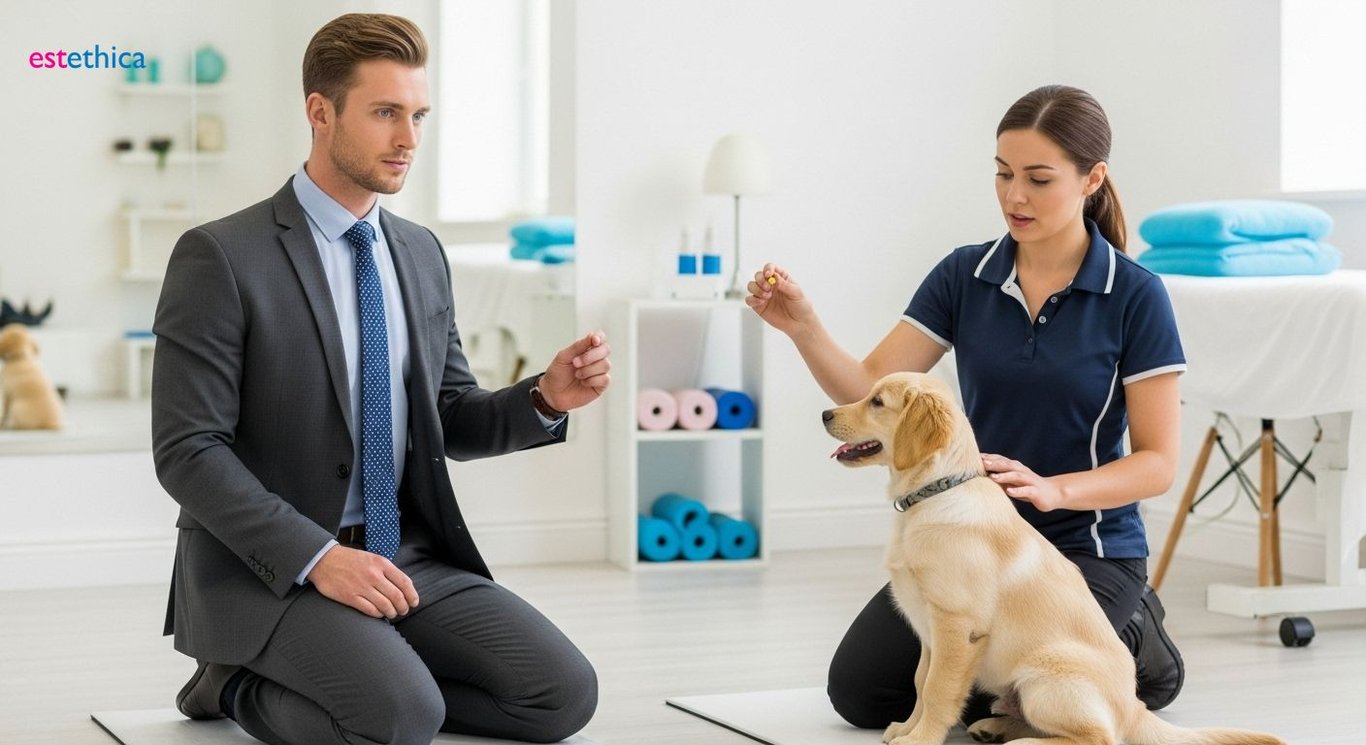
Once your dog has mastered basic commands, the next step is to explore advanced obedience techniques. This level of training is not just about teaching new tricks; it’s about deepening the bond between you and your dog while enhancing their mental and physical capabilities. Advanced obedience includes complex commands, off-leash control, and adapting to various environments. It challenges your dog to think critically and respond reliably, even in distracting situations. For example, teaching your dog to perform a sequence of commands in a specific order or to retrieve specific items from a group requires significant focus and precision. This advanced training ensures your dog is not only well-behaved but also mentally stimulated and engaged.
Agility training is a fantastic way to take your dog's obedience to the next level. It involves guiding your dog through an obstacle course that includes jumps, tunnels, weave poles, and more. This type of training requires a high level of communication and teamwork, strengthening your bond as you work together to navigate the course. Trick training is another excellent option. Teaching your dog to perform tricks like rolling over, playing dead, or fetching specific items can be both fun and mentally stimulating. These activities not only provide physical exercise but also enhance your dog's problem-solving skills. Regular practice in diverse environments, such as parks, busy streets, and quiet fields, helps ensure your dog remains obedient and responsive, regardless of the circumstances. Just as a BBL enhances physical form, advanced obedience training refines a dog's behavioral skills.
Key Techniques for Advanced Dog Obedience
- Agility Training: Enhances physical coordination and responsiveness through obstacle courses. For instance, guiding your dog through a series of jumps and tunnels improves their agility and focus.
- Trick Training: Stimulates mental agility and strengthens the bond through fun and challenging tasks. Teaching your dog to "play dead" or "fetch the newspaper" adds variety to training.
- Environmental Adaptation: Ensures reliable obedience in various settings through consistent practice. Training in parks, streets, and fields prepares your dog for real-world scenarios.
Consistency and patience are paramount when pursuing advanced obedience. As you introduce new challenges, break them down into smaller, manageable steps. Use positive reinforcement to reward your dog for their efforts, and avoid punishment, which can damage their confidence and motivation. Remember that every dog learns at their own pace, so celebrate small victories and adjust your approach as needed. Regular, short training sessions are more effective than long, infrequent ones. By maintaining a positive and supportive attitude, you can help your dog reach their full potential, transforming them into a well-behaved and confident companion. This dedication to training is as transformative for your dog's behavior as the recovery process is crucial for achieving the desired results from a brazilian butlift.
- Break Down Complex Tasks: Divide advanced commands into smaller, achievable steps to facilitate learning and build confidence.
- Practice in Diverse Environments: Train your dog in various settings to ensure they can generalize their obedience skills.
- Maintain Consistency and Patience: Use consistent commands and positive reinforcement, remaining patient throughout the training process.
Virtual Dog Training: A Modern Solution for Busy Owners
Embracing the Convenience of Online Dog Training
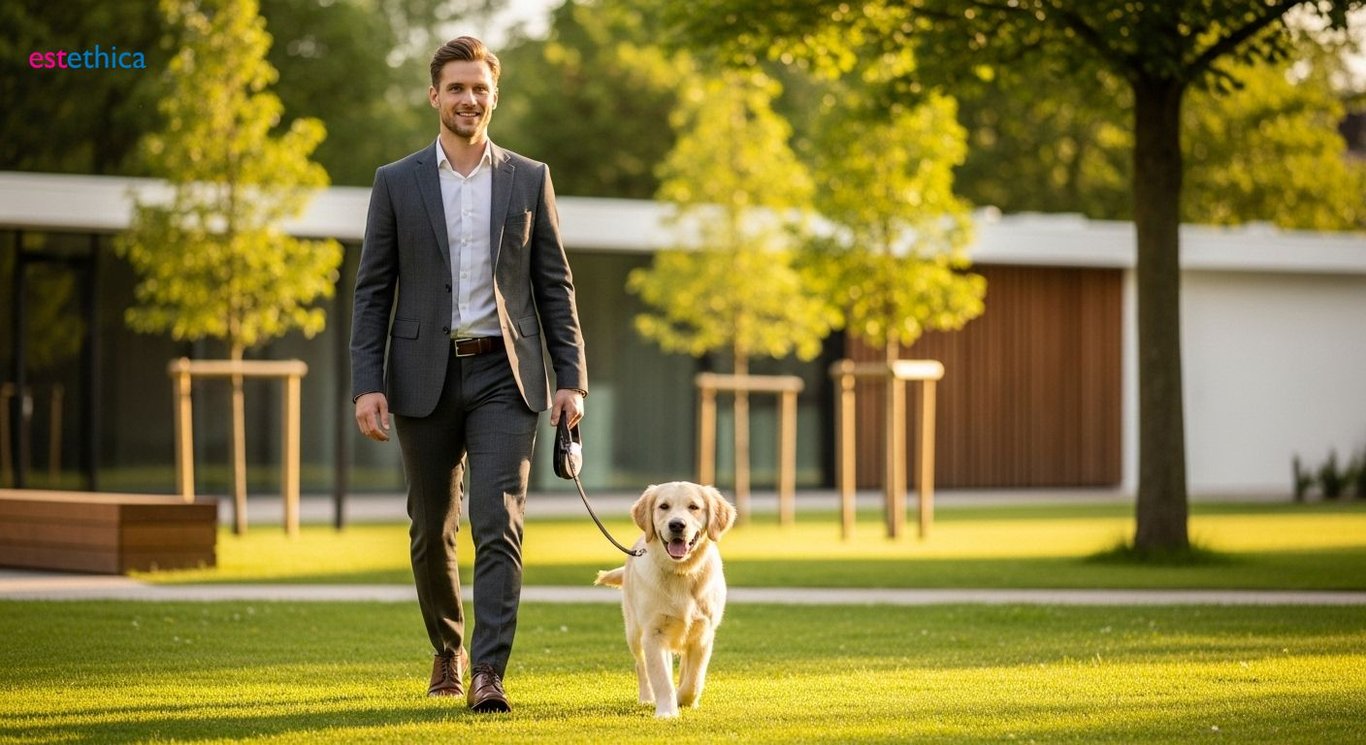
Virtual dog training offers a practical solution for pet owners juggling busy schedules. This approach brings professional training directly to your home, eliminating the need for travel and fitting seamlessly into your daily routine. You can access training materials and live sessions from anywhere, making it easier to stay consistent with your dog's education. Virtual programs often include a combination of pre-recorded videos, live coaching sessions, and interactive Q&A forums. This flexible format allows you to learn at your own pace and revisit lessons as needed, ensuring you and your dog fully grasp each concept. Virtual training is particularly beneficial for addressing common behavioral issues like barking, chewing, and anxiety, providing tailored guidance without disrupting your lifestyle. For those considering a BBL, the convenience of virtual dog training is akin to consulting online to prepare for the procedure.
One of the key advantages of virtual dog training is the personalized attention you receive. Many programs offer one-on-one coaching sessions with certified trainers who can assess your dog's specific needs and tailor the training accordingly. These sessions allow you to address unique challenges and receive immediate feedback, ensuring you're on the right track. Additionally, the sense of community fostered in virtual forums can be invaluable. You can connect with other dog owners, share experiences, and learn from each other's successes and challenges. This collaborative environment provides ongoing support and motivation, making the training process more engaging and effective. Virtual dog training not only enhances your dog's behavior but also strengthens the bond between you and your furry friend, creating a harmonious and well-behaved household.
Benefits of Virtual Dog Training Programs
- Flexibility and Convenience: Train your dog from the comfort of your home, fitting sessions into your busy schedule.
- Personalized Attention: Receive one-on-one coaching and tailored training plans from certified trainers.
- Community Support: Connect with other dog owners in virtual forums for shared experiences and ongoing motivation.
Virtual dog training utilizes modern technology to provide effective and accessible education for your canine companion. High-quality video demonstrations allow you to observe proper techniques and replicate them with your dog. Interactive quizzes and assessments help reinforce learning and track progress. Many programs also offer mobile apps, making it easy to access training materials on the go. Furthermore, virtual training can be a cost-effective alternative to traditional in-person classes, often providing more value for your investment. The ability to review lessons repeatedly and access support whenever needed ensures that you have all the resources necessary to succeed. This comprehensive approach makes virtual dog training a smart choice for today's busy pet owners, helping you achieve a well-behaved and happy dog without sacrificing your time or budget. The accessibility of virtual dog training mirrors the ease of researching a brazilian butlift online, offering valuable information at your fingertips.
- Assess Your Dog's Needs: Identify specific behavioral issues or training goals to tailor your virtual program.
- Choose a Reputable Program: Look for certified trainers and positive reviews to ensure quality instruction.
- Stay Consistent and Engaged: Dedicate regular time to training and actively participate in coaching sessions and community forums.
Positive Reinforcement Techniques for Transforming Dog Behavior
estethica emphasizes positive reinforcement techniques in dog training, building trust and encouraging desired behaviors. This approach focuses on rewarding good behavior and redirecting unwanted actions, creating an enjoyable training experience for both dog and owner.
estethica leverages expertise in canine behavior to tailor training strategies, ensuring effective communication and consistency in commands. Certified trainers offer personalized guidance, identifying triggers and implementing targeted training techniques to address specific behavioral issues.
Virtual Dog Training Delivers Convenient, Personalized Canine Education
estethica’s virtual dog training programs offer a practical solution for busy owners, providing professional training directly at home. This approach includes pre-recorded videos, live coaching sessions, and interactive forums for personalized guidance and community support.
estethica ensures a well-behaved and happy dog by utilizing high-quality video demonstrations, interactive quizzes, and mobile apps to reinforce learning and track progress. The virtual environment fosters a collaborative community, enhancing the bond between owner and dog.
Frequently Asked Questions
What are the essential steps for effective puppy training?
How can I address aggressive behaviors in my dog through training?
What advanced dog obedience techniques can enhance my dog's skills?
Is virtual dog training an effective solution for busy owners?
How do I train a puppy to sit using positive reinforcement?
Achieve your aesthetic goals with estethica's expert team and advanced techniques.
📞 Get Your Free Consultation!