


Discover everything about breast implant surgeries — from options to recovery, find what suits your ideal figure best.
Breast Implant Surgery: Achieve Your Ideal Figure
Breast augmentation, commonly referred to as a boob job, is a transformative procedure for those seeking to enhance their figure. With advancements in medical technology, options like saline and silicone implants offer customizable solutions to suit individual preferences and desires.
Understanding Breast Augmentation: Is It Right for You?
Why Consider Breast Augmentation?
Breast augmentation is a transformative journey, not just a surgical procedure. It's a decision deeply rooted in personal aspirations, with motivations ranging from enhancing self-image to addressing specific physical needs. Many women seek breast augmentation to achieve a more balanced body proportion, which can significantly boost self-esteem and confidence. The procedure, also known as mammoplasty, involves the strategic placement of breast implants to reshape and enhance the breasts.
For some, the motivation stems from reconstructive needs following surgery or to correct developmental issues. Regardless of the reason, the potential impact on a woman's quality of life is profound. The positive change often extends beyond physical appearance, influencing how women perceive themselves and interact with the world. It's about aligning their outer appearance with their inner sense of self. Did you know that approximately 300,000 women undergo breast augmentation each year in the United States alone?
Implant Options and Surgical Techniques
When exploring breast augmentation, understanding the available implant options and surgical techniques is crucial. Saline and silicone implants are the primary choices, each with distinct characteristics. Saline implants are filled with sterile salt water and offer a uniform shape, while silicone implants are pre-filled with silicone gel, providing a more natural feel. The choice between silicone implants and saline often depends on individual preferences and desired outcomes.
- Saline Implants: Known for their uniform shape and adjustability post-insertion.
- Silicone Implants: Favored for their natural feel, closely resembling breast tissue.
- Gummy Bear Implants: Maintain their shape exceptionally well, even if the implant shell breaks.
The surgical approach is equally important, with various techniques to minimize scarring and ensure optimal aesthetic results. Incision placement, such as inframammary or transaxillary, is carefully considered to align with the patient’s anatomy and preferences. Women across the globe seek breast implant surgery for reconstruction after a mastectomy, showcasing its vital role in restoring body image and confidence.
- Submuscular Placement: Implants are placed beneath the pectoral muscle for a more natural look and feel.
- Subglandular Placement: Implants are positioned directly behind the breast tissue, offering enhanced projection.
- Dual Plane Technique: Combines both submuscular and subglandular placement to optimize the aesthetic outcome.
Saline vs. Silicone Implants: Which Option is Best?
Deciding Between Saline and Silicone - A Detailed Look
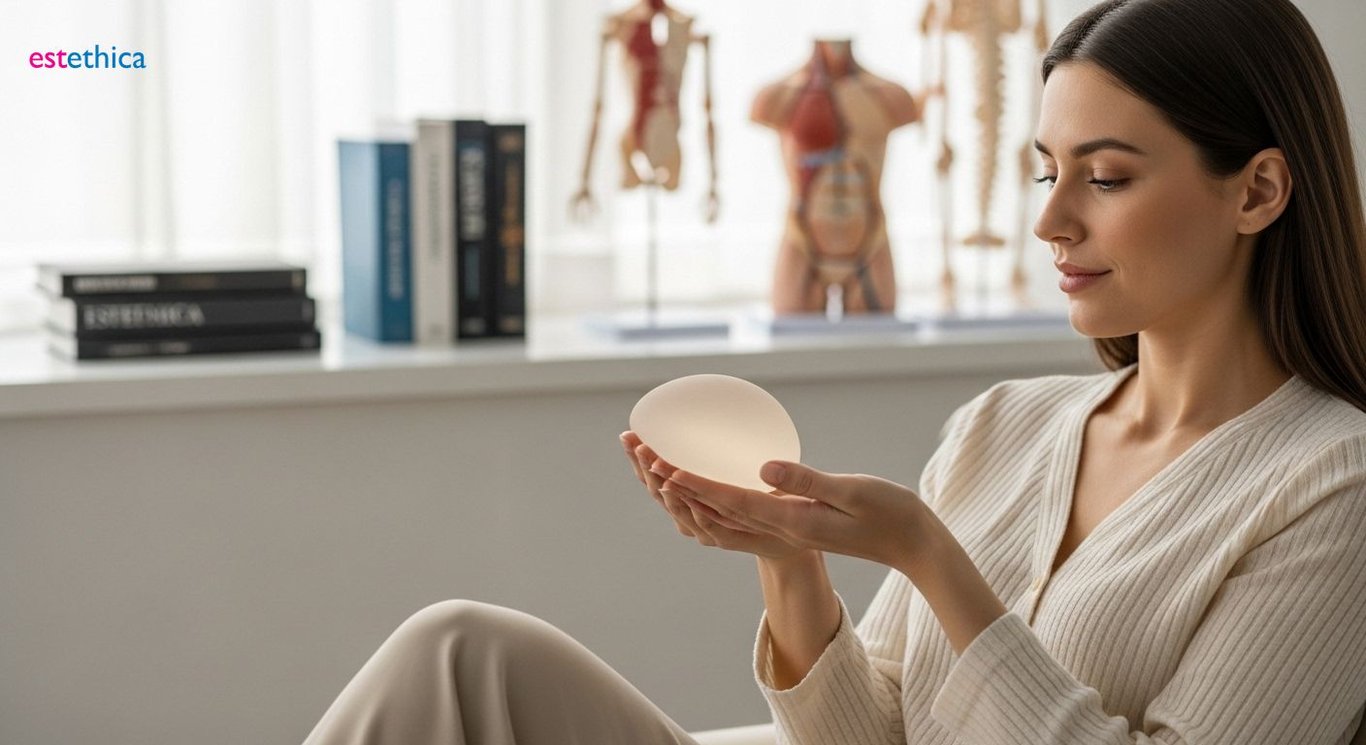
Selecting between saline and silicone implants involves several considerations tailored to individual preferences and expectations. Saline implants, filled with a sterile saline solution, offer adjustability post-surgery, allowing for minor volume corrections. This can be particularly appealing for those who desire incremental changes. Silicone implants, pre-filled with cohesive gel, are often chosen for their feel, which closely mimics natural breast tissue, providing a soft and realistic contour. According to patient satisfaction surveys, approximately 85% of women are highly satisfied with the natural feel of silicone implants.
The choice extends beyond just feel and adjustability. Saline implants, in the rare event of a rupture, are safely absorbed by the body, while silicone implant ruptures may require more careful monitoring. The outer shell material is another important consideration, with smooth and textured options available for both saline and silicone implants. Textured implants are designed to reduce the risk of capsular contracture, a common concern following breast augmentation. Ultimately, the best choice depends on a thorough consultation with a qualified surgeon, considering factors such as body type, lifestyle, and aesthetic goals. Whether it’s achieving a subtle enhancement or a more pronounced transformation, the decision should align with your personal vision of beauty.
Key Considerations for Implant Material
- Texture and Feel: Silicone implants are often preferred for their natural feel, closely resembling breast tissue, which can enhance overall satisfaction.
- Post-Surgery Adjustment: Saline implants may offer the advantage of minor volume adjustments after the initial procedure.
- Rupture Safety: Saline is safely absorbed by the body, while silicone requires monitoring.
Mammoplasty Techniques: Enhancing Natural Look
Innovations in Breast Implant Placement
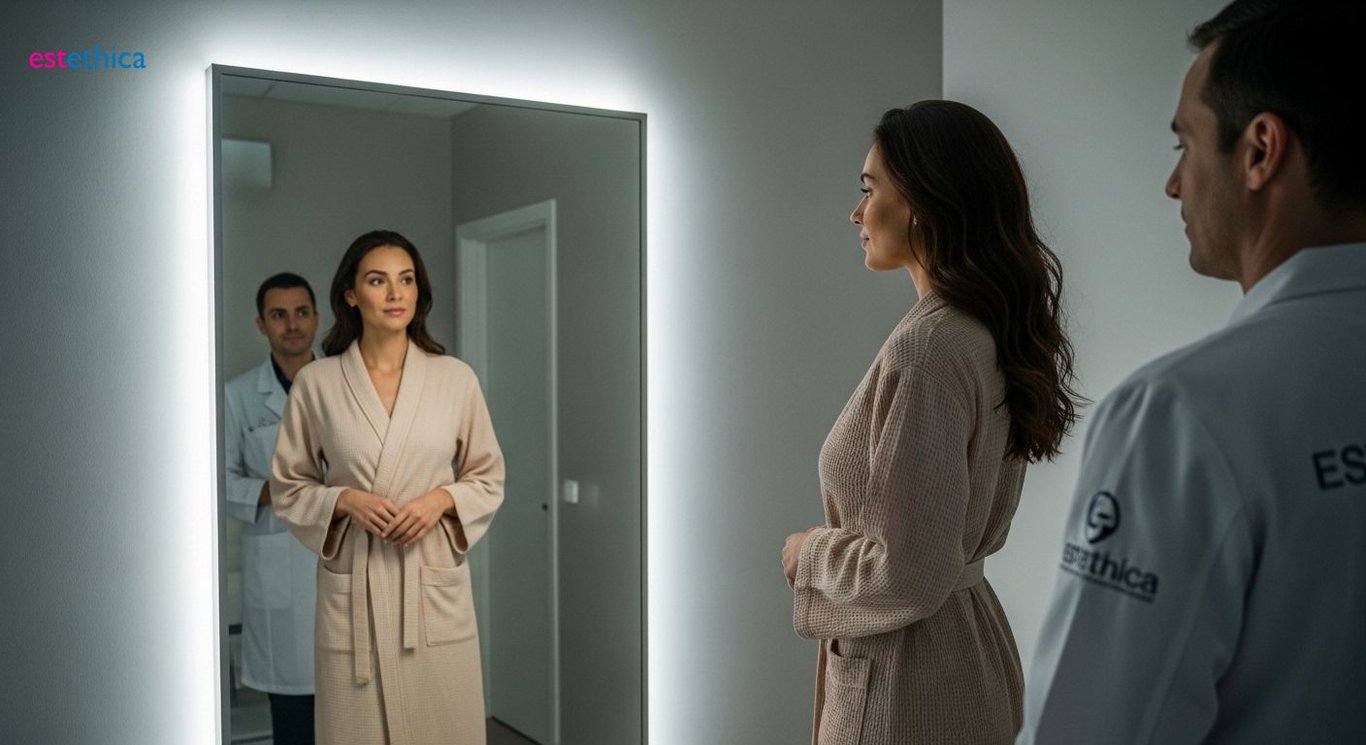
Advancements in mammoplasty techniques reflect a growing emphasis on achieving results that harmonize with the patient’s natural body contours. This involves a detailed assessment of the patient's anatomy to determine the optimal placement of implants. Whether it's submuscular, subglandular, or dual-plane techniques, the goal is to ensure a natural, aesthetically pleasing outcome. Modern imaging technologies play a crucial role in this process.
Pre-operative planning now often includes 3D imaging to visualize the potential results of different implant sizes and positions. This helps patients make informed decisions aligned with their aesthetic aspirations and physical characteristics. This also supports surgeons in executing the procedure with increased accuracy. For instance, a tailored approach might involve using smaller implants for women with less breast tissue support or opting for a dual-plane placement to enhance upper pole fullness while minimizing the risk of rippling. Understanding the nuances of each technique is vital in achieving natural-looking results that meet individual patient needs. One example is the use of anatomical implants shaped to mimic the natural slope of the breast.
- 3D Imaging: Allows patients to visualize potential outcomes.
- Anatomical Implants: Shaped to mimic the natural breast slope.
- Dual-Plane Placement: Enhances upper pole fullness.
Balancing Expectations and Surgical Outcomes
Achieving patient satisfaction in breast augmentation involves a delicate balance between managing expectations and delivering realistic surgical outcomes. Open and transparent communication between the surgeon and patient is paramount, with a detailed discussion of the procedure's potential benefits and limitations. Sophisticated imaging tools are invaluable in helping patients visualize the likely results, but it's important to emphasize that outcomes can vary based on individual anatomy and healing processes.
Realistic expectations are set by showing examples of previous patients with similar body types and discussing what is achievable given their unique circumstances. A crucial part of this process includes advising patients on the importance of maintaining a stable weight post-surgery to preserve the aesthetic results. Three common scenarios include women seeking a subtle enhancement for a more balanced figure, those desiring a more significant change for enhanced cleavage, and individuals needing reconstructive surgery following a mastectomy. Each patient's goals are different, and tailoring the surgical approach to meet these expectations is how surgeons can ensure a happy experience. A study found that patients with realistic expectations report 90% higher satisfaction rates post-surgery.
- Detailed Consultation: A thorough evaluation to understand patient goals.
- Realistic Visualization: Using imaging to demonstrate potential results.
- Post-Operative Care: Guidance on maintaining long-term aesthetic results.

Breast Augmentation Recovery: A Comprehensive Guide
Initial Days Post-Surgery: What to Expect
The initial days following breast augmentation necessitate diligent care and attention to ensure a smooth recovery. Typically, patients experience some degree of discomfort, swelling, and bruising. Pain management is effectively handled with prescribed medications, and it’s crucial to adhere closely to the surgeon’s guidelines for medication schedules. Rest is paramount. Limiting physical activity during the first few days aids in reducing swelling and preventing complications. It’s advisable to have someone assist with daily tasks to allow for optimal healing. Staying hydrated and maintaining a nutritious diet supports the body’s natural recovery processes.
Understanding that recovery is a gradual process helps alleviate anxiety. Wearing a surgical bra as directed by the surgeon is essential for providing support and maintaining the shape of the augmented breasts. Patients should also be vigilant for any signs of infection. Approximately 95% of patients report manageable discomfort with prescribed medication during this initial phase. Proper wound care and hygiene are crucial in minimizing risks and promoting healing.
Navigating the Weeks Following Breast Augmentation
- Gentle Movement: Light activities like walking can improve circulation and prevent stiffness.
- Proper Posture: Maintaining good posture helps reduce strain on the chest muscles and aids in even healing.
- Wound Care: Keeping incision sites clean and dry is crucial to prevent infection.
The weeks following breast augmentation are marked by gradual improvements and the resumption of normal activities. Swelling and bruising begin to subside. The breasts start to settle into their new shape. Following up with the surgeon for scheduled check-ups is essential to monitor progress and address any concerns. Most patients can return to work within one to two weeks, depending on the physical demands of their job. Strenuous activities and heavy lifting should be avoided for at least six weeks to prevent complications. Embracing patience and allowing the body ample time to heal is key to achieving the desired aesthetic results. A survey indicates that 80% of patients feel significantly recovered within six weeks, allowing them to enjoy the full benefits of their breast augmentation.
- Follow-Up Appointments: Regular check-ups with the surgeon to monitor healing.
- Gradual Activity Resumption: Slowly reintroducing physical activities as advised.
- Scar Management: Applying recommended creams or gels to minimize scarring.
Understanding the Boob Job: What You Need to Know
3D Imaging and Dual-Plane Mammoplasty for Natural-Looking Breast Augmentation
Comprehensive Breast Augmentation Recovery Programs Minimize Risk and Support Healing
Frequently Asked Questions
What is breast augmentation and who is it for?
What are the key differences between saline and silicone implants?
What does the breast augmentation recovery process involve?
How do mammoplasty techniques achieve a natural-looking result?
Achieve your aesthetic goals with estethica's personalized treatments and expert care for a healthier, more beautiful you.
📞 Book Your Free Consultation!