


Embark on your confidence journey with breast enlargement, exploring surgical options and what to expect during recovery.
Breast augmentation, commonly referred to as breast enlargement, has become a popular choice among individuals seeking to enhance their physical appearance and boost self-confidence. Through surgical methods, particularly mammoplasty, patients can achieve their desired breast size and shape. This guide dives into the intricacies of breast implant surgery, weighing the pros and cons of saline and silicone implants, and what to expect during the recovery phase.
Understanding Breast Implant Surgery: A Comprehensive Guide
Exploring the Benefits of Breast Implant Surgery
Breast implant surgery, also known as augmentation mammoplasty, enhances breast size and shape, making it a transformative option for women seeking to improve their physical appearance. This process involves placing implants either under the breast tissue or beneath the chest muscle. Beyond the aesthetic benefits, many women report an increase in self-esteem and body confidence following the procedure. According to the American Society of Plastic Surgeons, a significant percentage of patients experience enhanced psychological well-being after breast augmentation.
The initial consultation is a critical step, where a surgeon assesses the patient's overall health, discusses their specific aesthetic goals, and recommends the most suitable type of implant. A successful breast enlargement significantly transforms physical appearance while contributing to heightened self-esteem. For instance, a woman who has experienced changes in her breasts due to pregnancy or weight loss might find that breast implant surgery helps restore her pre-pregnancy figure and confidence.
Understanding Different Types of Breast Implants
Choosing the right type of breast implant is essential to achieving the desired outcome. The two primary types of implants are saline and silicone, each with unique characteristics. Saline implants are filled with sterile salt water and can be adjusted to the desired size during surgery, providing flexibility. Silicone implants contain a cohesive gel that closely mimics the feel of natural breast tissue, which many patients find more appealing.
- Saline Implants: These implants are filled with saline and offer the option of post-insertion size adjustment. Known for their safety, they provide a firm, uniform feel.
- Silicone Implants: Filled with silicone gel, these implants mimic the natural breast tissue feel and provide a softer appearance.
- Shaped Implants: Also known as teardrop implants, these have a natural slope and can provide a more anatomical look to the augmented breast.
During the surgical procedure, anesthesia ensures the patient’s comfort, and the surgeon selects an incision site from options such as under the breast, around the nipple, in the armpit, or through the belly button. Each location caters to different body types and minimizes visible scarring. For example, an incision under the breast is common for larger implants, while a periareolar incision around the nipple is often used for smaller augmentations involving mammoplasty Once the incision is made, the implant is inserted into the breast pocket, carefully positioned to achieve the best aesthetic result.

Mammoplasty Techniques: Choosing the Right Approach for You
Comparing Fat Transfer and Implant-Based Breast Augmentation
Different mammoplasty techniques are available based on individual preferences and medical requirements. Patients often choose between fat transfer and implant-based augmentation. Fat transfer, also known as autologous fat transplantation, involves removing fat from one part of the body, purifying it, and then injecting it into the breasts. This method offers a more natural feel and reduces the risk of allergic reactions since the body’s own fat is used. This approach is very popular among patients who seek breast enlargement and a more natural cosmetic result. However, it's generally suitable for those looking for a modest increase in breast size and may require more than one session for ideal results.
Implant-based augmentation is more common. It offers predictable results and a significant increase in size if desired. This involves placing either saline or silicone implants beneath the breast tissue or chest muscle. The choice between saline and silicone is influenced by factors such as body type, personal preference, and aesthetic goals. Various factors such as the patient’s anatomy and desired aesthetic should be considered when determining whether fat transfer or implants are more appropriate. Ultimately, patients should have realistic expectations from the outcomes of either procedure and be keenly aware of its respective advantages and limitations.
Making the Right Choice for Your Body and Expectations
The consultation phase is crucial, where the surgeon will assess breast anatomy, skin elasticity, and body shape to recommend the best technique. The surgeon evaluates key factors such as breast size, shape, skin quality, and the patient's overall aesthetic goals when recommending breast augmentation. Patients should openly communicate their expectations to help the surgeon create a customized surgical plan. The surgeon will also discuss the potential risks and benefits of each option, as well as the expected recovery period.
- Body Shape Assessment: Evaluating the existing breast structure and body proportions to decide suitability.
- Detailed Discussion: Understand the patient’s aesthetic vision and desired breast size for tailored results.
- Technique Recommendation: Propose options with advantages, limitations, and realistic expectations.
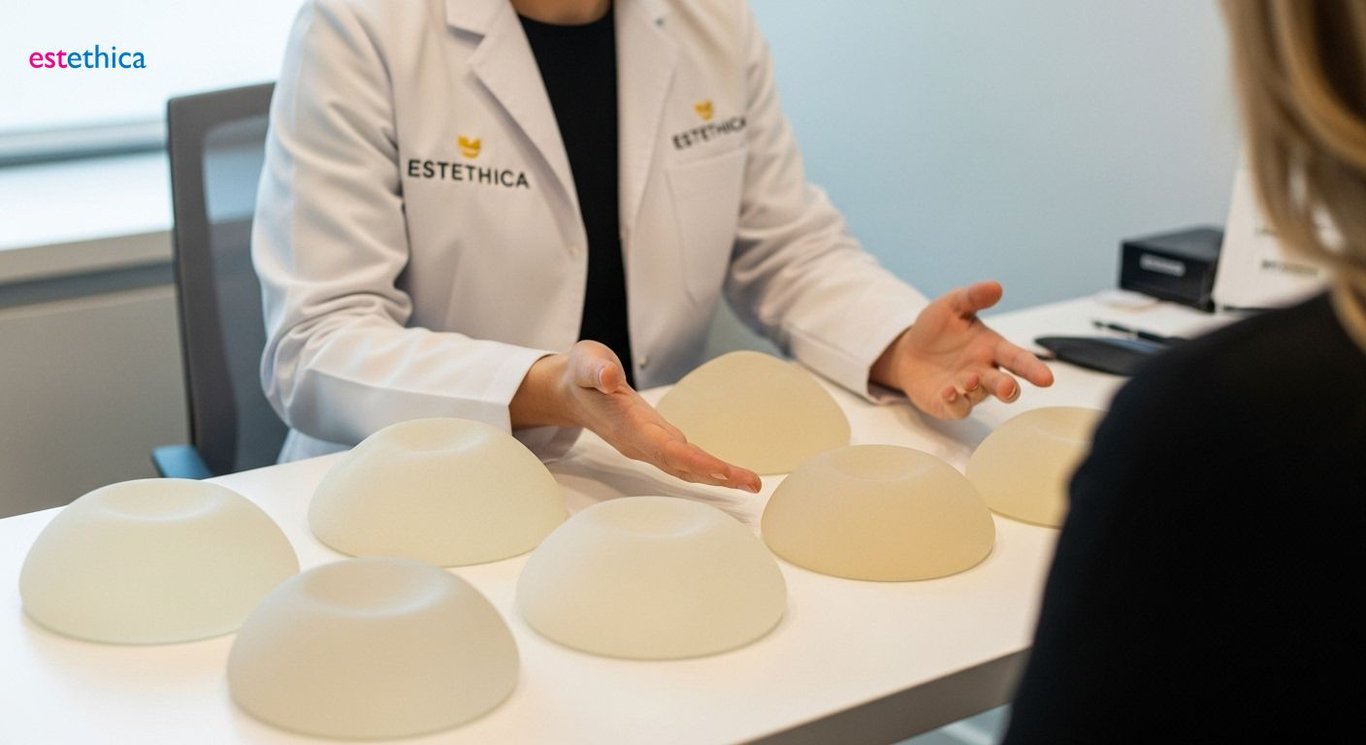
Saline or Silicone Implants: Weighing the Pros and Cons
Evaluating the Texture and Incision Size Differences
When considering breast augmentation options, individuals often weigh the pros and cons of saline versus silicone implants, especially regarding texture and incision size. Saline implants, filled with sterile salt water, frequently require a smaller incision for placement. The advantage here is that the final size can be fine-tuned during the surgical procedure. This adjustability is particularly beneficial for those wanting precise control over their final breast size.
Conversely, silicone implants come pre-filled with a gel that closely mimics natural breast tissue, providing a softer and more realistic feel. Although a slightly larger incision may be needed for insertion, many patients find the aesthetic outcome worth the trade-off. Since silicone implants can look and feel remarkably like natural breasts, they often enhance patient satisfaction by providing confidence in their appearance. Ultimately, choosing between saline and silicone hinges on balancing incision size preference with the desired tactile and visual outcome following breast implant surgery.
Key Factors in Final Implant Selection
Selecting the right implant involves a careful evaluation of feel, appearance, and long-term safety considerations. Many patients prioritize achieving a natural look and feel, often leaning towards silicone implants because of their soft texture and realistic appearance. Silicone implants are less prone to wrinkling and may provide a more aesthetically pleasing contour compared to saline.
- Realistic Feel: Patients commonly prefer the natural softness of silicone implants in their Mammoplasty.
- Long-term Performance: Silicone implants are known for maintaining their shape and appearance over time.
- Aesthetic Preference: Many find that silicone closely matches the look and movement of natural breast tissue.
On the other hand, saline implants offer the advantage of being filled post-insertion, which can be beneficial in certain situations. In the rare event of a rupture, the saline is safely absorbed by the body, posing no health risk. Ultimately, the decision should align with the patient’s lifestyle, aesthetic desires, and peace of mind regarding safety. Considering these factors ensures that patients are satisfied with their breast enlargement results.

Recovery After Breast Augmentation: What to Expect
Navigating the Initial Post-Surgery Phase
Recovering from breast augmentation is a process that demands careful attention. In the immediate aftermath of the procedure, resting sufficiently is paramount. Your activity should be minimal, and you should get a lot of rest. Typically, patients are required to wear a specialized support bra. These bras are specifically designed to help minimize swelling and provide essential support to the breasts as they heal. Proper support is key for achieving the desired aesthetic outcome and preventing complications post-surgery.
During the first few days following breast enlargement, slight discomfort and swelling are to be expected. Pain medications are typically prescribed by your surgeon to help manage this discomfort. While individual experiences can vary, most patients feel well enough to return to work within about a week. However, this timeline will depend on the type of job you have and the complexity of the surgery. It is essential that patients fully comply with all post-operative instructions given by their surgeon to have a smooth and successful recovery after their breast implant surgery.
Long-Term Care and Scar Management After Mammoplasty
Over the long term, scars from the surgical incisions will naturally fade, although they may not disappear completely. Consistent follow-up appointments with your surgeon are critical for tracking your recovery and addressing any potential complications early on. These visits allow the surgeon to assess healing progress and ensure that the implants are settling correctly. Regular aftercare is essential for achieving and maintaining the best possible results, contributing to greater overall satisfaction with your enhanced breast appearance after mammoplasty.
- Scar Treatment: Utilize recommended creams or treatments to minimize scar visibility over time.
- Follow-Up Visits: Keep scheduled appointments to monitor implant settling and overall breast health.
- Lifestyle Adjustments: Maintain a healthy diet and avoid smoking to support optimal healing and long-term results.
It’s essential to adhere to your surgeon’s guidelines regarding physical activities to promote proper healing and protect your investment in breast enlargement. Avoiding activities that strain the chest muscles is crucial during this initial recovery phase. Taking these measures will improve your likelihood of enjoying the aesthetic benefits of breast augmentation for many years to come.
Understanding the Boob Job: What You Need to Know
Advanced Mammoplasty Techniques Using Saline and Silicone Implants for Enhanced Breast Augmentation
Patient-Centric Breast Augmentation Process Ensures Optimal Comfort and Natural-Looking Results
Frequently Asked Questions
What is breast augmentation and how does it enhance physical appearance?
What are the key differences between saline and silicone implants, and how do I choose the right one?
What can I expect during the recovery phase after breast augmentation?
What is involved in mammoplasty techniques using fat transfer versus implant-based augmentation?
How does breast implant surgery improve self-esteem and psychological well-being?
Achieve your aesthetic goals with estethica's expert care and advanced techniques in plastic surgery, hair transplantation, and medical aesthetics.
📞 Book Your Free Consultation!