


Discover the benefits and considerations of breast enlargement surgery to boost your confidence and improve your aesthetics.
Breast enlargement has become a popular choice for many seeking to enhance their appearance and confidence. With advancements in plastic surgery, women now have various options to tailor the procedure to their personal needs. This post aims to guide you through breast implant surgery, helping you make informed decisions and understand what to expect during the recovery.
Understanding Breast Implant Surgery: Types and Considerations
Exploring Saline and Silicone Breast Implants
Breast implant surgery offers various options to enhance breast size and shape, primarily involving saline and silicone implants. Saline implants are filled with sterile saltwater and offer a uniform firmness, while silicone implants are pre-filled with silicone gel, providing a more natural feel. Each type has distinct characteristics that cater to different preferences and body types. The choice between saline and silicone often depends on individual comfort, desired aesthetic outcome, and the surgeon's recommendation.
- Silicone Implants: Known for their natural feel, mimicking breast tissue more closely than saline. They are pre-filled, reducing the risk of deflation but requiring more detailed monitoring through MRI scans to detect silent ruptures.
- Saline Implants: Filled with sterile saline solution, they can be adjusted during surgery for customized sizing. If a rupture occurs, the saline is safely absorbed by the body, though this results in a noticeable deflation.
- Considerations for Selection: Factors such as age, body type, and personal preference play a crucial role. Silicone implants are often favored for their natural look and feel, while saline implants are appreciated for their safety profile in case of rupture.
Understanding the nuances of each implant type is crucial in making an informed decision. Consulting with a board-certified plastic surgeon will provide personalized guidance based on your specific anatomy and aesthetic goals.
Key Considerations Before Breast Implant Surgery
Prior to undergoing breast implant surgery, several factors must be carefully considered to ensure a successful outcome and patient satisfaction. These considerations range from evaluating personal health and lifestyle to setting realistic expectations about the results. A thorough understanding of the surgical process, potential risks, and the recovery period is essential for making an informed decision. Additionally, selecting a qualified and experienced surgeon is paramount to achieving the desired aesthetic outcome and minimizing complications.
- Comprehensive Health Assessment: Evaluate your overall health status, including any pre-existing medical conditions, allergies, and medications. Conditions like diabetes or autoimmune diseases can affect healing and increase the risk of complications.
- Realistic Expectations: Understand that breast implant surgery can enhance your appearance but may not solve underlying emotional or psychological issues. Discuss your aesthetic goals with your surgeon to ensure they align with what is surgically achievable.
- Lifestyle Factors: Consider how your lifestyle, including physical activity and smoking habits, may impact the healing process and the longevity of the implants. Smoking, for example, can impair circulation and delay healing, increasing the risk of complications.
Addressing these key considerations with your surgeon will help ensure that you are well-prepared for the surgery and have realistic expectations about the outcome. Open communication and careful planning are vital for a positive surgical experience.

Recovery Time After Breast Augmentation: What to Expect
Optimizing Your Recovery After Breast Implant Surgery
The journey to fully enjoying the results of breast augmentation involves a well-managed recovery period. While individual experiences vary, understanding the typical timeline and adhering to specific aftercare instructions can significantly influence the healing process. Patients should prioritize rest, follow medication schedules, and maintain open communication with their surgical team to address any concerns that arise. Proper care during this period not only promotes faster healing but also helps in achieving the best possible aesthetic outcome following breast enlargement.
- Medication Management: Adhering to prescribed pain medication schedules helps manage discomfort, allowing for better rest and recovery. Consistent use as directed can prevent pain from escalating.
- Wound Care: Regular, gentle cleaning of incision sites as instructed by your surgeon is essential to prevent infection. Avoid harsh soaps or scrubbing, which can irritate the healing tissues.
- Activity Restrictions: Limiting strenuous activities, including heavy lifting and intense exercise, is crucial during the initial recovery phase. Overexertion can increase swelling and potentially disrupt the healing process.
Engaging in these practices diligently can lead to a smoother and more comfortable recovery, enhancing overall satisfaction with the breast implant surgery results.
Navigating the Stages of Recovery After Breast Augmentation
Recovery from breast implant surgery is a phased process, with each stage presenting unique challenges and milestones. Initially, patients may experience swelling, bruising, and discomfort, which gradually subside over several weeks. The first week is typically focused on rest and pain management, while subsequent weeks involve a gradual return to normal activities. Monitoring for any signs of complications, such as infection or unusual swelling, is crucial throughout the recovery period. A proactive approach to aftercare, including regular follow-up appointments, ensures optimal healing and aesthetic outcomes after breast augmentation.
- Early Stage (First Week): Focus on rest, pain management, and minimizing movement to allow initial healing. Patients should avoid lifting their arms above their head and limit any activities that strain the chest muscles.
- Mid Stage (Weeks 2-4): Gradual increase in light activities as swelling and discomfort decrease. Wearing a supportive bra is essential to provide support and shape to the breasts during this phase.
- Late Stage (Months 1-6): Continued healing and settling of implants into their final position. Patients can gradually resume all normal activities, including exercise, as cleared by their surgeon.
Understanding these stages and adhering to your surgeon's guidelines ensures a well-managed and successful recovery process following breast implant surgery.
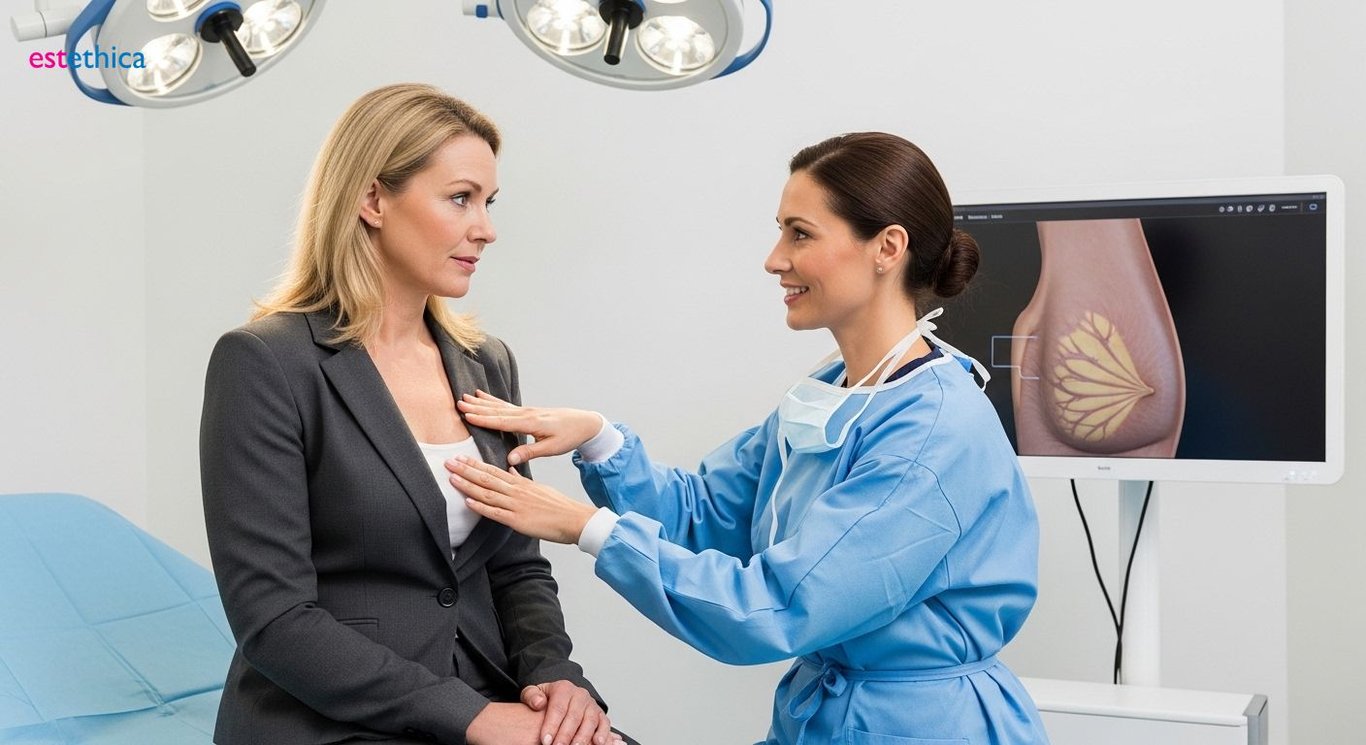
Silicone vs. Saline Implants: Choosing the Right Option for You
Evaluating the Feel and Adjustability of Implants
When considering breast implant surgery, the tactile feel and post-operative adjustability of the implants are significant factors. Silicone implants are often chosen for their ability to mimic the natural feel of breast tissue, providing a softer and more realistic sensation. In contrast, saline implants offer the advantage of adjustability during the surgical procedure, allowing for fine-tuning of the size and shape to meet the patient's aesthetic goals. The decision between these two types involves weighing the importance of natural feel against the flexibility of size adjustment during surgery for breast enlargement.
- Natural Feel of Silicone: Silicone gel implants provide a soft and natural feel, closely resembling the consistency of breast tissue, which is a priority for many patients.
- Adjustability of Saline: Saline implants can be adjusted during the procedure, enabling surgeons to customize the size and shape to achieve optimal symmetry and desired volume.
- Long-Term Satisfaction: Considering how the feel and appearance of the implants align with personal preferences ensures greater satisfaction with the results of breast implant surgery over time.
Balancing these factors with the guidance of a skilled surgeon is essential in making an informed decision that aligns with your individual needs and expectations. The choice impacts not only the immediate aesthetic outcome but also long-term comfort and satisfaction.
Understanding the Safety and Procedural Differences
The safety profiles and surgical procedures associated with silicone and saline implants present distinct considerations for patients undergoing breast implant surgery. Saline implants are inserted empty and then filled with sterile saline, which is naturally absorbed by the body if a rupture occurs, although the deflation is immediately noticeable. Silicone implants, pre-filled with cohesive gel, require monitoring via MRI to detect silent ruptures, which may not be immediately apparent. The surgical procedure for saline implants may be considered less invasive due to the smaller incision size required for insertion, while silicone implants are favored by those prioritizing a natural feel and shape in their breast augmentation.
- Rupture Detection: Saline implant ruptures are easily detectable due to rapid deflation, whereas silicone ruptures may require MRI scans for detection, ensuring timely intervention.
- Incision Size: Saline implants generally require smaller incisions for placement, potentially leading to less scarring, while silicone implants may necessitate slightly larger incisions for proper positioning.
- Material Safety: Saline is a biocompatible substance that the body can safely absorb, offering peace of mind, while silicone implants are made from a cohesive gel designed to maintain their shape even in case of rupture.
Discussing these safety and procedural aspects with a qualified surgeon helps ensure a comprehensive understanding of the risks and benefits associated with each type of implant, facilitating a well-informed decision for your breast implant surgery.

What Are the Risks of Breast Augmentation? A Comprehensive Overview
Understanding Common Risks Associated with Breast Implant Surgery
While breast augmentation is considered a safe procedure, it is associated with certain risks that patients should be aware of. These risks range from surgical complications to long-term issues related to the implants themselves. Being informed about these potential complications allows patients to make educated decisions and take proactive steps to minimize risks. Regular follow-up appointments and adherence to post-operative care guidelines are crucial for early detection and management of any complications following breast implant surgery. Understanding these risks is essential for anyone considering breast enlargement.
- Capsular Contracture: This occurs when scar tissue forms around the implant, causing it to harden or change shape. Severe cases may require additional surgery to correct the issue.
- Implant Rupture: Saline implants may deflate due to a tear in the outer shell, while silicone implants can rupture without immediate noticeable changes, requiring MRI scans for detection.
- Infection: Although rare, infection can occur after surgery, leading to redness, swelling, and pain. Prompt treatment with antibiotics or, in severe cases, implant removal may be necessary.
Awareness and proactive management of these risks contribute to a safer and more satisfactory outcome for patients undergoing breast augmentation.
Mitigating Risks and Ensuring a Safe Procedure
Minimizing the risks associated with breast augmentation involves careful planning and adherence to safety protocols. Selecting a board-certified plastic surgeon with extensive experience in breast implant surgery is paramount. Surgeons who specialize in mammoplasty are skilled at assessing individual patient needs, recommending appropriate implant types and sizes, and employing surgical techniques that reduce the likelihood of complications. Pre-operative health evaluations, detailed discussions about potential risks, and comprehensive post-operative care plans are essential components of a safe and successful breast implant surgery experience. The goal is to enhance breast enlargement while prioritizing patient safety and well-being.
- Surgeon Selection: Choose a board-certified plastic surgeon with a proven track record in breast augmentation. Check their credentials, experience, and patient reviews to ensure competence and reliability.
- Pre-operative Assessment: Undergo a thorough health evaluation to identify any potential risk factors. Discuss your medical history, allergies, and medications with your surgeon to tailor the surgical plan accordingly.
- Post-operative Care: Follow all post-operative instructions diligently, including medication schedules, wound care, and activity restrictions. Attend all follow-up appointments to monitor healing and detect any early signs of complications.
By taking these proactive steps, patients can significantly reduce the risks associated with breast implant surgery and achieve their desired aesthetic outcomes safely and effectively.
Cost Considerations and Where to Get the Best Service
Understanding the Factors Influencing Breast Augmentation Cost
The financial aspect of breast augmentation is multifaceted, influenced by several key variables. The surgeon's experience, the geographic location of the clinic, and the type of implants selected all play a role in determining the final cost. While it may be tempting to seek the lowest price, prioritizing the surgeon's qualifications and the clinic's reputation is crucial for ensuring a safe and satisfactory outcome. Investing in a skilled surgeon can minimize the risk of complications and the need for revision surgeries. Choosing the right provider is as important as selecting the right implant for achieving your desired aesthetic results from breast enlargement.
- Surgeon's Expertise: Highly experienced surgeons may charge more for their services, reflecting their skill and expertise in performing breast augmentation. Their proficiency can lead to better outcomes and reduced risks.
- Geographic Location: The cost of breast implant surgery can vary significantly depending on the location of the clinic. Areas with higher living costs typically have higher surgical fees.
- Type of Implant: The choice between saline and silicone implants, as well as the specific brand and size, will impact the overall cost. Premium implants or custom designs may increase the price.
Therefore, understanding these factors will help you make an informed decision that balances affordability with quality care.
Selecting a Qualified Surgeon for Breast Implant Surgery
Choosing the right surgeon is paramount when considering breast implant surgery. A qualified surgeon should be board-certified, possess extensive experience in mammoplasty, and have a proven track record of successful outcomes. It is essential to research potential surgeons, review their credentials, and examine before-and-after photos of their patients. A consultation should involve a thorough discussion of your goals, a comprehensive assessment of your anatomy, and a clear explanation of the surgical process and potential risks. Opting for a skilled and reputable surgeon significantly enhances the likelihood of achieving your desired aesthetic results while minimizing complications. Ensuring you are in capable hands is the most important investment in your journey toward breast enlargement.
- Verify Board Certification: Ensure the surgeon is certified by the American Board of Plastic Surgery, indicating they have met rigorous standards of training and expertise.
- Review Before-and-After Photos: Examine the surgeon's portfolio to assess their aesthetic style and the quality of their results. Look for patients with similar body types and desired outcomes.
- Schedule a Consultation: Use the consultation to discuss your goals, ask questions, and assess the surgeon's communication style and approach. A good surgeon will listen to your concerns and provide realistic expectations.
By prioritizing qualifications and experience, you can ensure a safer and more satisfying surgical experience.
Breast Implant Maintenance and Longevity: What You Need to Know
Maximizing the Lifespan of Your Breast Implants
To ensure the longevity of breast implants, proactive maintenance is essential. While implants are designed to last, their lifespan can vary. Regular self-exams and adherence to scheduled check-ups with your surgeon are key. Monitoring for changes in size, shape, or feel can help detect potential issues early. A proactive approach not only extends the life of the implants but also safeguards your overall health and satisfaction with the breast augmentation results. Proper maintenance is a commitment to long-term well-being and aesthetic satisfaction following breast implant surgery.
- Regular Self-Exams: Monthly self-exams help you become familiar with the normal feel and appearance of your breasts, making it easier to detect any changes or abnormalities.
- Scheduled Check-Ups: Routine follow-up appointments with your surgeon allow for professional evaluation and early detection of potential issues, such as capsular contracture or implant rupture.
- Adherence to Guidelines: Following your surgeon's post-operative instructions and recommendations can help minimize the risk of complications and extend the life of your implants.
Taking these steps ensures the best possible outcome for your breast implants.
Understanding Implant Replacement and Monitoring
Even with diligent care, breast implants may eventually require replacement. While some implants can last for two decades or more, others may need replacement sooner due to complications or changes in aesthetic preferences. Regular monitoring through physical exams and imaging techniques, such as MRI, is crucial for detecting silent ruptures or other issues. Understanding the signs that indicate the need for replacement and maintaining open communication with your surgeon are vital for ensuring continued health and satisfaction. Planning for potential replacement is a proactive approach to long-term breast health following breast implant surgery and breast enlargement.
- Monitor for Changes: Keep an eye out for any changes in the size, shape, or feel of your breasts, as these could indicate a problem with your implants. Report any concerns to your surgeon promptly.
- Undergo Regular Imaging: Follow your surgeon's recommendations for routine MRI scans to detect silent ruptures, especially with silicone implants. Early detection allows for timely intervention.
- Plan for Potential Replacement: Understand that breast implants are not lifetime devices and may require replacement at some point. Discuss the potential costs and timing of replacement with your surgeon.
Being prepared and informed ensures you can make the best decisions for your long-term breast health and aesthetic goals.
Advanced Breast Augmentation with Saline and Silicone Implants for Tailored Aesthetics
estethica offers breast augmentation surgery using both saline and silicone implants, allowing for personalized aesthetic outcomes. Saline implants provide adjustability during surgery, while silicone implants offer a natural feel, closely mimicking breast tissue.
estethica's plastic surgeons are highly experienced in mammoplasty, ensuring patients receive expert guidance in selecting the appropriate implant type and size. Comprehensive pre-operative health assessments and detailed discussions about potential risks are conducted to ensure patient safety and satisfaction.
Safe Breast Implant Procedures with Comprehensive Post-Operative Care
estethica ensures patient safety through comprehensive post-operative care plans. Regular follow-up appointments, wound care, and activity restrictions are strictly adhered to in order to minimize complications and detect any early signs of issues.
Patients at estethica benefit from a seamless experience, including airport reception, continuous consultancy during the treatment process, and post-operative care. The hospital is committed to providing a safe and satisfying surgical journey, ensuring patient well-being and aesthetic satisfaction.
Frequently Asked Questions
What is breast augmentation and who is it for?
What is the typical recovery time after breast augmentation?
What are the main risks associated with breast augmentation?
How do silicone and saline implants compare for breast enlargement?
What factors affect the longevity of breast implants?
Ready to discover your healthy beauty with estethica's expert team?
📞 Call for Your Free Consultation!