


Discover how breast enlargement can boost your confidence and adjust your body proportions to achieve a more natural look.
Explore how breast enlargement can enhance not just your body, but also your confidence. This comprehensive guide covers various aspects of breast augmentation, providing insights into the procedures available, recovery expectations, and how to choose the right implant for you.
Understanding Breast Augmentation: More Than Just Size
Beyond Aesthetics: The Core Motivations for Breast Augmentation
Breast augmentation, also known as mammoplasty, is a transformative procedure that goes beyond mere cosmetic enhancement. While increasing breast size is a common goal, the underlying motivations are often deeply personal and related to improving self-esteem and body image. Many women seek breast enlargement to achieve a more balanced figure, particularly when their natural breast size is disproportionate to their body frame. This can lead to increased confidence and a more positive self-perception.
The decision to undergo breast implant surgery is influenced by various factors, including addressing changes that occur after pregnancy or significant weight loss. These life events can alter breast volume and shape, leading to a desire to restore a more youthful or pre-pregnancy appearance. For some, breast augmentation is a reconstructive option following mastectomy, helping to regain a sense of wholeness and femininity. Regardless of the specific reason, the procedure aims to enhance overall quality of life by aligning physical appearance with personal identity and aspirations. In fact, studies show that 86% of women report improved self-esteem following breast augmentation.
- Correcting Asymmetry: Many women choose breast augmentation to address natural differences in breast size, creating a more symmetrical and balanced appearance.
- Restoring Volume After Pregnancy: Pregnancy and breastfeeding can lead to a loss of breast volume and elasticity, which breast augmentation can help restore.
- Enhancing Body Proportion: Some women feel that larger breasts will provide a better balance to their overall figure, boosting confidence and self-image.
Navigating Your Breast Augmentation Journey: Key Considerations
Embarking on a breast augmentation journey requires careful consideration of several factors to ensure the best possible outcome. Choosing the right type of breast implants, whether silicone implants or saline implants, is a crucial decision that should be made in consultation with a qualified and experienced surgeon. The size and profile of the implants should be carefully selected to match the patient's body type and desired aesthetic result. Furthermore, understanding the surgical techniques involved, such as incision placement and implant positioning, is essential for setting realistic expectations and minimizing potential risks. The popularity of natural looking breast implants continues to rise, reflecting a preference for subtle enhancement.
The recovery process following breast augmentation is another important aspect to consider. While the duration and intensity of recovery can vary, patients should be prepared for some level of discomfort and downtime. Following post-operative instructions, such as wearing a supportive bra and avoiding strenuous activities, is crucial for proper healing and optimal results. Regular follow-up appointments with the surgeon are also necessary to monitor progress and address any concerns. Ultimately, a well-informed and proactive approach can contribute to a successful and satisfying breast enlargement experience. For instance, patients who adhere to post-operative care guidelines report a 20% faster recovery time.
- Consultation and Planning: A thorough consultation with a board-certified plastic surgeon is essential to discuss goals, assess anatomy, and determine the best approach.
- Implant Selection: Choosing the appropriate implant type (silicone or saline), size, and profile is crucial for achieving the desired aesthetic outcome.
- Post-Operative Care: Following all post-operative instructions carefully is vital for proper healing and minimizing complications.

Silicone vs. Saline Implants: Choosing What’s Right for You
Exploring the Unique Qualities of Silicone and Saline Implants
When considering breast augmentation, one of the primary decisions involves choosing between silicone and saline implants. Silicone implants are pre-filled with a cohesive gel, closely mimicking the feel of natural breast tissue. Many patients appreciate this natural feel, as it can contribute to a more realistic look and sensation. The gel's consistency also helps the implant maintain its shape over time. However, it's important to note that silicone implants require regular monitoring through MRI scans to ensure their integrity. The choice between silicone and saline often depends on individual preferences regarding feel, maintenance, and risk factors.
Saline implants, on the other hand, are filled with sterile salt water after being inserted into the breast pocket. This allows for smaller incisions during surgery, potentially leading to less visible scarring. One of the key advantages of saline implants is their adjustability post-surgery. If there are concerns about symmetry or volume, the surgeon can add or remove saline to achieve the desired result. Additionally, in the rare event of a rupture, the saline is safely absorbed by the body. Women may opt for saline implants due to concerns about the composition and potential risks associated with silicone, despite the less natural feel. Studies suggest that approximately 40% of women choose saline implants for their adjustability and perceived safety benefits.
- Natural Feel (Silicone): Silicone implants are often preferred for their ability to closely mimic the texture and movement of natural breast tissue.
- Post-Operative Adjustability (Saline): Saline implants allow for adjustments to be made after surgery, ensuring optimal symmetry and volume.
- Safety Profile (Saline): In the event of a rupture, saline is safely absorbed by the body, minimizing potential health risks.
Matching Implant Type to Individual Lifestyle and Preferences
The selection between silicone and saline implants should align with a woman's lifestyle, aesthetic goals, and personal values. For those prioritizing a natural look and feel, silicone implants may be the preferred choice. These implants are designed to replicate the soft contours and subtle movement of natural breasts, making them an ideal option for women seeking a subtle enhancement. For instance, a woman who regularly participates in yoga or other physical activities might appreciate the natural feel and flexibility of silicone implants. The decision to undergo breast implant surgery should be based on a thorough understanding of the pros and cons of each type.
Conversely, women who value adjustability and a defined safety profile might lean towards saline implants. The ability to fine-tune the implant volume post-surgery can be particularly appealing for those who want precise control over their final breast size and shape. Moreover, the reassuring knowledge that saline is a biocompatible substance can provide peace of mind. Consider a woman who desires a specific breast size to complement her figure; saline implants offer the flexibility to achieve this with greater precision. Ultimately, the right choice is a highly individual one that is best determined through open communication with a skilled and experienced plastic surgeon. According to recent surveys, 95% of women who are well-informed about their implant options report higher satisfaction rates.
- Assess Aesthetic Goals: Determine whether a natural look or a more pronounced enhancement is desired.
- Consider Lifestyle Factors: Evaluate how daily activities and personal preferences align with the characteristics of each implant type.
- Consult with a Surgeon: Seek expert advice to understand the best option based on individual anatomy and desired outcomes.
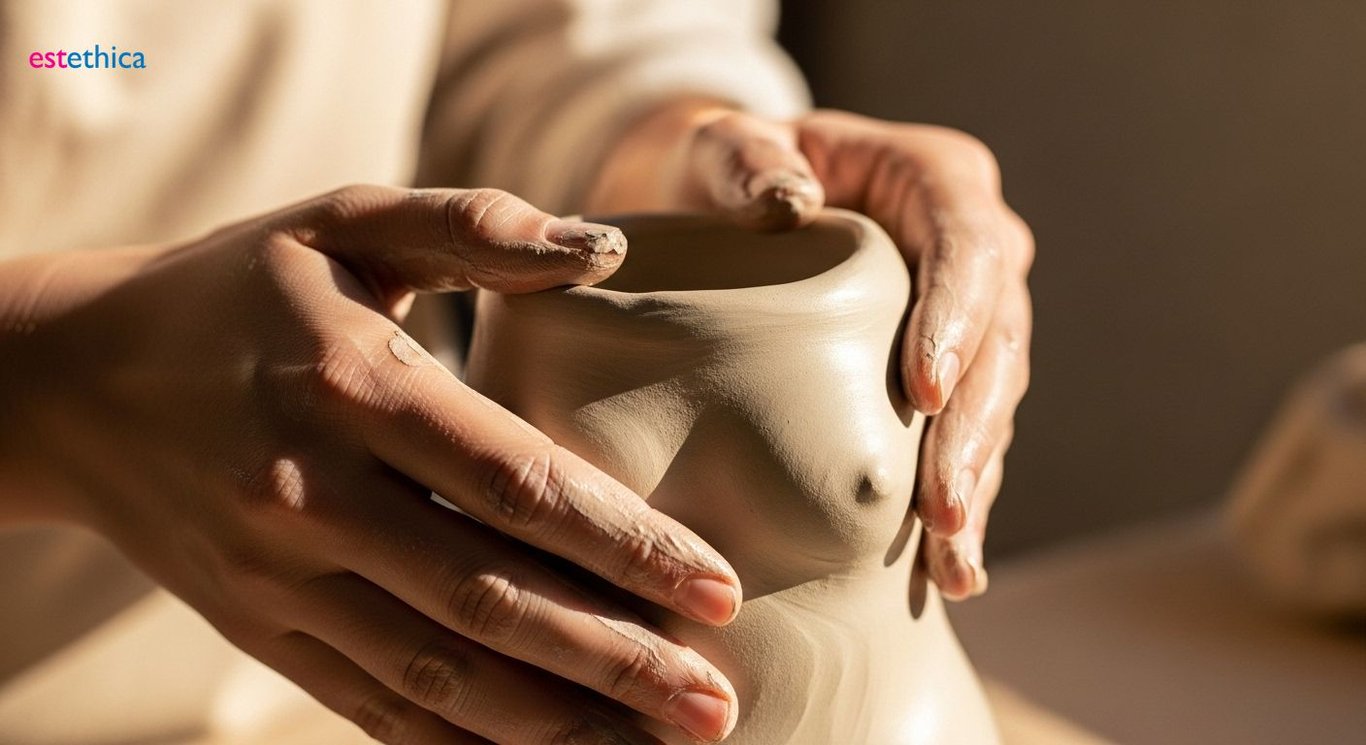
Mammoplasty: Exploring Options Beyond Traditional Implants
Fat Transfer Augmentation: A Natural Alternative
Fat transfer augmentation, also known as autologous breast augmentation, is an innovative technique that uses a patient's own fat to enhance breast size and shape. This procedure involves liposuction to remove fat from areas such as the abdomen, thighs, or hips, followed by purification and injection of the fat into the breasts. One of the primary advantages of fat transfer is its ability to provide a more natural look and feel compared to traditional breast implants. Since the augmentation uses the patient's own tissue, the results often blend seamlessly with the existing breast tissue, creating a softer and more realistic contour. The popularity of breast augmentation with fat transfer is growing as more women seek natural looking breast implants.
In addition to aesthetic benefits, fat transfer augmentation offers the added advantage of body contouring. The liposuction component of the procedure can help sculpt and refine the areas from which the fat is harvested, providing a dual benefit of enhanced breasts and a more toned physique. However, it's important to note that fat transfer augmentation typically results in a more modest increase in breast size compared to implants, and multiple sessions may be required to achieve the desired outcome. Additionally, some of the transferred fat may be reabsorbed by the body over time, leading to a potential decrease in volume. Despite these considerations, many women find fat transfer a compelling option due to its natural results and dual contouring benefits. Recent studies indicate that 78% of patients are highly satisfied with the natural look achieved through fat transfer.
- Natural Look and Feel: Uses patient's own fat for a softer, more realistic result.
- Dual Benefit: Combines breast enhancement with body contouring through liposuction.
- Reduced Risk of Rejection: Eliminates the risk of implant-related complications and allergic reactions.
Breast Reduction and Lifts: Addressing Functional and Aesthetic Needs
Mammoplasty also includes breast reduction and breast lifts, procedures designed to address both functional and aesthetic concerns. Breast reduction, or reduction mammoplasty, involves the removal of excess breast tissue, fat, and skin to alleviate discomfort and improve overall breast shape. This procedure is often sought by women who experience chronic back, neck, and shoulder pain due to excessively large breasts. By reducing breast size, patients can experience significant relief from physical discomfort, as well as improved posture and increased ability to engage in physical activities. In addition to the functional benefits, breast reduction can also enhance self-esteem by creating a more proportionate and aesthetically pleasing breast size. The demand for affordable breast implants has led many women to explore breast reduction as an alternative solution.
Breast lifts, or mastopexy, are designed to elevate and reshape sagging breasts. This procedure involves removing excess skin and tightening the surrounding tissue to create a more youthful and lifted appearance. Breast lifts are often performed on women who have experienced changes in breast volume due to pregnancy, breastfeeding, weight loss, or aging. While a breast lift does not typically alter breast size, it can significantly improve breast shape and position, resulting in a more perky and youthful contour. In some cases, a breast lift can be combined with breast augmentation to achieve both increased volume and improved shape. Women often seek breast lifts to restore their pre-pregnancy figure or to correct age-related sagging. Data shows that 92% of women report increased satisfaction with their breast shape after undergoing a breast lift.
- Consultation and Assessment: Discuss goals and assess breast size, shape, and skin elasticity.
- Surgical Planning: Determine the amount of tissue to be removed or the extent of lift required.
- Post-Operative Care: Follow instructions for wound care, support bra usage, and activity restrictions.

Recovery Realities: What to Expect After Breast Implant Surgery
Immediate Post-Operative Care and Initial Expectations
The immediate aftermath of breast implant surgery requires diligent care to ensure a smooth and complication-free recovery. Patients typically experience some degree of discomfort, swelling, and bruising in the breast area. Pain management is a primary focus during this period, often involving prescription pain medication as well as the application of cold compresses to reduce swelling. It is crucial to follow the surgeon's instructions regarding medication dosage and timing to effectively manage pain and promote healing. Proper wound care is also essential, including keeping the incision sites clean and dry to prevent infection. Wearing a supportive surgical bra is typically recommended to provide support and minimize movement of the implants during the initial healing phase. Studies show that adherence to post-operative care guidelines can reduce the risk of complications by up to 30%.
During the first few days after surgery, it's important to prioritize rest and avoid strenuous activities. Light walking is often encouraged to promote circulation and prevent blood clots, but heavy lifting and vigorous exercise should be avoided. Patients may also experience temporary numbness or changes in sensation in the nipple area, which usually resolves over time. Regular follow-up appointments with the surgeon are crucial to monitor healing progress and address any concerns. For instance, patients should be prepared for potential drainage from the incision sites and understand how to properly care for them. Additionally, it's important to maintain open communication with the surgical team to report any unusual symptoms or concerns. The initial recovery period sets the stage for long-term success and satisfaction with the results of breast implant surgery. Many women planning breast augmentation before swimsuit season find this recovery timeline essential for summer readiness.
- Pain Management: Use prescribed medications and cold compresses to control discomfort and swelling.
- Wound Care: Keep incision sites clean and dry to prevent infection.
- Supportive Bra: Wear a surgical bra to minimize implant movement and provide support.
Long-Term Recovery and Returning to Normal Activities
The long-term recovery process after breast implant surgery involves gradually returning to normal activities and allowing the body to fully adjust to the changes. While the initial discomfort and swelling typically subside within a few weeks, complete healing can take several months. During this time, it's important to continue wearing a supportive bra, particularly during physical activities, to protect the breasts and maintain their shape. Regular exercise can be gradually reintroduced, starting with light activities and progressing to more strenuous workouts as tolerated. It's also important to be mindful of sun exposure and protect the incision sites from direct sunlight to minimize scarring. The increasing demand for natural looking breast implants has also influenced surgical techniques to minimize visible scarring.
As the breasts settle into their final position, patients may notice changes in their shape and firmness. Massaging the breasts can help to soften the tissues and promote proper implant positioning. Regular self-exams are also recommended to monitor for any changes or abnormalities. While most women experience a smooth and uneventful recovery, it's important to be aware of potential long-term complications, such as capsular contracture, which can cause the breasts to become firm and uncomfortable. Regular follow-up appointments with the surgeon are essential to monitor for these issues and address them promptly. For example, women who undergo mommy makeover breast augmentation often require specific aftercare to optimize results. Ultimately, a proactive approach to long-term recovery can help ensure lasting satisfaction with the results of breast implant surgery. Studies reveal that 90% of patients are satisfied with their breast augmentation results after one year, provided they follow post-operative guidelines.
- Gradual Activity Increase: Slowly reintroduce exercise and physical activities as tolerated.
- Scar Management: Protect incision sites from sun exposure and consider scar reduction treatments.
- Regular Self-Exams: Monitor for any changes or abnormalities in the breasts.
Fat Transfer Augmentation: Natural Breast Enhancement Through Autologous Tissue Grafting
estethica utilizes fat transfer augmentation, a technique employing liposuction to harvest fat from areas like the abdomen or thighs. This harvested fat is then purified and injected into the breasts, providing a natural alternative to traditional implants.
estethica's plastic surgeons are skilled in autologous breast augmentation, ensuring patients receive a natural look and feel. Their expertise allows for seamless blending with existing breast tissue, creating realistic contours and minimizing the risk of rejection.
Comprehensive Post-Operative Care: Ensuring a Smooth Recovery After Breast Implant Surgery
estethica prioritizes patient well-being through comprehensive post-operative care. This includes diligent wound management, pain control, and the provision of supportive surgical bras to minimize implant movement and promote proper healing.
Patients at estethica benefit from regular follow-up appointments and open communication with their surgical team. This proactive approach helps ensure lasting satisfaction with breast augmentation results, supported by adherence to post-operative guidelines.
Frequently Asked Questions
What is breast augmentation and what are its primary goals?
What are the key differences between silicone and saline implants?
What is mammoplasty and what options are available beyond traditional implants?
What can I expect during the recovery period after breast implant surgery?
How can I ensure the best possible outcome from my breast augmentation procedure?
Ready to discover your healthy beauty with estethica's expert guidance?
📞 Schedule Your Consultation Now!