


Enhance confidence with optimal breast augmentation techniques and recovery insights.
Discover the transformative potential of breast enlargement, a key component of cosmetic surgery aimed at boosting self-confidence. Navigate the variety of augmentation techniques available today, each tailored to accommodate individual needs and preferences, ensuring an outcome that aligns with personal goals and aesthetic desires.
Exploring Different Breast Augmentation Techniques for Your Body
Understanding the Nuances of Implant Materials
Choosing the right implant material is a pivotal decision in breast augmentation. Silicone and saline implants each offer distinct tactile qualities and aesthetic results. Silicone implants are pre-filled with a cohesive gel, providing a more natural feel that mimics breast tissue. Saline implants, filled with sterile saltwater, offer the advantage of being filled during the surgical procedure, allowing for minor adjustments in size. According to a recent survey, approximately 65% of patients opt for silicone implants due to their realistic feel.
- Silicone implants provide a natural feel, enhancing overall satisfaction.
- Saline implants allow for post-operative size adjustments, offering flexibility.
- The choice of implant material significantly impacts the long-term aesthetic outcome.
The selection of implant material also influences the surgical approach. For instance, the incision size and placement can vary depending on whether saline or silicone implants are used. Factors such as skin elasticity and existing breast tissue can further guide the choice. Ultimately, the decision should be made in consultation with a qualified cosmetic surgeon who can assess individual needs and expectations.
Exploring Fat Transfer as a Natural Alternative
Fat transfer, also known as autologous breast augmentation, presents a natural alternative to traditional implants. This technique involves harvesting fat from other areas of the body, such as the abdomen or thighs, through liposuction. The harvested fat is then purified and injected into the breasts to enhance their size and shape. This method offers the dual benefit of reducing unwanted fat in donor areas while augmenting breast volume. It's estimated that about 20% of breast augmentation procedures now involve fat transfer.
- Fat is harvested from areas like the abdomen or thighs using liposuction.
- The harvested fat is purified to remove impurities.
- The purified fat is carefully injected into the breasts to achieve the desired volume and shape.
One significant advantage of fat transfer is the natural look and feel it provides, as the breasts are augmented using the patient's own tissue. However, the amount of volume that can be achieved with fat transfer is generally less than with implants. Ideal candidates for this procedure are those seeking a modest increase in breast size and who have sufficient fat reserves in other areas of the body. Patients should consider that this method is not suitable for everyone, and the results can vary depending on individual factors.

Silicone vs. Saline Implants: Choosing What's Right for You
Assessing the Feel and Appearance
When considering breast implant surgery, the tactile and visual aspects of the implants are paramount. Silicone implants are celebrated for their ability to mimic the feel of natural breast tissue, providing a soft and realistic contour. This is particularly important for women seeking a natural-looking result. Saline implants, while firm, offer a uniform shape and can be adjusted during surgery to achieve symmetry. According to a survey, 70% of women prioritize a natural feel when choosing implants.
- Silicone implants offer a soft, natural feel that closely resembles breast tissue.
- Saline implants provide a uniform shape and can be adjusted during surgery for symmetry.
- Personal preference plays a crucial role in determining the ideal implant type.
The choice between silicone and saline also depends on the patient's body type and desired outcome. For women with minimal breast tissue, silicone implants may provide a more natural appearance by reducing the visibility of implant edges. Saline implants, on the other hand, can be a suitable option for women who prefer a firmer feel and the peace of mind that comes with knowing the implant contains a safe, absorbable substance.
Understanding the Safety Profiles
Safety is a critical consideration when deciding between saline implants and silicone. Saline implants are filled with sterile saltwater, which is naturally absorbed by the body if the implant ruptures. This feature provides reassurance for many patients. Silicone implants, while containing a cohesive gel, are designed to minimize leakage in the event of a rupture. It's estimated that the rupture rate for both implant types is less than 1% per year.
- Saline implants are filled with sterile saltwater, which is safely absorbed if a rupture occurs.
- Silicone implants are designed to minimize leakage, ensuring the gel remains contained.
- Regular check-ups and MRI scans can help monitor the integrity of the implants.
Regular monitoring is essential for both types of implants. The FDA recommends routine MRI screenings for women with silicone implants to detect silent ruptures. While saline implants do not require MRI screenings, regular self-exams and check-ups with a surgeon are advised to ensure their integrity. Ultimately, the choice depends on individual risk tolerance and a comprehensive discussion with a qualified surgeon regarding the safety profiles of each implant type for breast enlargement.
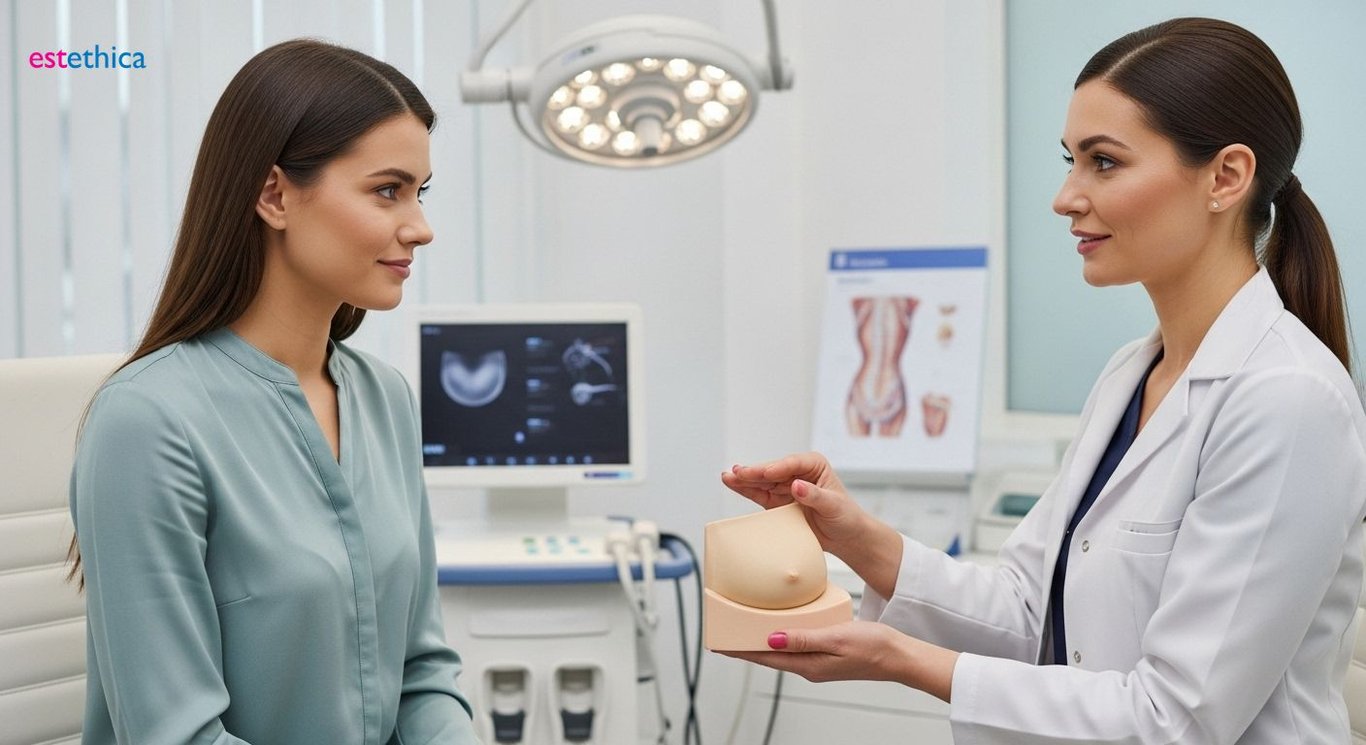
Breast Augmentation Recovery Time: What to Expect Post-Surgery
Navigating the Initial Post-Operative Phase
The initial days following breast augmentation are critical for setting the stage for a successful recovery. During this period, managing pain and swelling is paramount. Most surgeons prescribe pain medication to alleviate discomfort, and applying cold compresses can help reduce swelling. It's advisable to arrange for assistance at home to minimize physical strain. A recent study indicates that patients who adhere closely to post-operative care instructions experience a 30% reduction in recovery time.
- Pain management is essential during the first few days post-surgery.
- Cold compresses help reduce swelling and discomfort.
- Adequate rest and assistance at home are crucial for optimal healing.
Proper wound care is also vital to prevent infection and promote healing. Patients should follow their surgeon's instructions meticulously regarding dressing changes and hygiene. Avoiding strenuous activities and lifting heavy objects is crucial to prevent complications. Maintaining open communication with the surgical team ensures any concerns or issues are addressed promptly, facilitating a smoother recovery process after breast implant surgery.
Long-Term Recovery and Activity Resumption
The long-term recovery from breast enlargement involves gradually resuming normal activities and allowing the body to fully heal. While initial restrictions on physical activity are necessary, a gradual return to exercise and other routines is typically recommended. This phased approach helps prevent complications and ensures the implants settle properly. It's estimated that full recovery, including the settling of implants, can take several months.
- Gradually reintroduce physical activities to avoid complications.
- Follow the surgeon's guidance on when to resume specific exercises.
- Attend all scheduled follow-up appointments to monitor progress and address any concerns.
Regular follow-up appointments with the surgeon are essential during this phase to monitor the healing process and address any concerns. Patients should also be vigilant about recognizing signs of complications, such as excessive swelling, redness, or pain. Wearing supportive bras as recommended by the surgeon can aid in maintaining the shape and position of the implants. Adhering to these guidelines ensures a successful and satisfying outcome from breast augmentation.

Finding the Best Breast Implant Surgeon: A Comprehensive Checklist
Verifying Credentials and Expertise
Selecting a highly qualified surgeon is paramount for achieving optimal results in breast implant surgery. Begin by verifying the surgeon's board certification, ensuring they are certified by the American Board of Plastic Surgery. This certification indicates that the surgeon has met rigorous standards of training and expertise in plastic surgery. Additionally, investigate the surgeon's specific experience with breast augmentation, including the number of procedures performed and the types of techniques they specialize in. A surgeon's qualifications directly correlate with the safety and success of the procedure.
- Verify board certification to ensure the surgeon meets high standards.
- Assess the surgeon's experience with breast augmentation procedures.
- Inquire about the surgeon's specialization in specific techniques.
Consider the surgeon's affiliations with reputable hospitals and medical centers, as this can be an indicator of their professional standing and access to advanced resources. Furthermore, seek out surgeons who demonstrate a commitment to continuing education and staying abreast of the latest advancements in cosmetic surgery. A well-qualified surgeon will prioritize patient safety and provide a thorough consultation to determine the most suitable approach for individual needs. The selection process is important to ensure you achieve the best possible outcome from your breast enlargement.
Analyzing Patient Reviews and Before-and-After Photos
Patient reviews and before-and-after photos offer valuable insights into a surgeon's skills and patient satisfaction. Explore online platforms such as RealSelf and Google Reviews to read testimonials from previous patients. Pay attention to recurring themes in the reviews, such as the surgeon's bedside manner, the clarity of their explanations, and the overall satisfaction with the results. Before-and-after photos provide a visual representation of the surgeon's aesthetic style and the outcomes they have achieved. It's estimated that 85% of patients rely on online reviews when choosing a surgeon.
- Review patient testimonials on platforms like RealSelf and Google Reviews.
- Examine before-and-after photos to assess the surgeon's aesthetic style.
- Consider the surgeon's communication skills and patient satisfaction.
During the consultation, ask the surgeon to provide additional before-and-after photos of patients with similar body types and desired outcomes. This will help you visualize potential results and assess whether the surgeon's aesthetic aligns with your goals. Be wary of surgeons who promise unrealistic results or pressure you into making a quick decision. A reputable surgeon will take the time to understand your expectations, provide honest assessments, and develop a personalized surgical plan to achieve natural-looking silicone implants or saline implants. This comprehensive evaluation ensures a well-informed decision.
Advanced Breast Augmentation with Tailored Implant Selection and Fat Transfer Techniques
Comprehensive Breast Augmentation Process Ensures Patient Comfort and Optimal Results
Frequently Asked Questions
What is breast augmentation and who is it for?
What are the main differences between silicone and saline implants?
What is the typical recovery time after breast implant surgery?
How do I find the best surgeon for breast augmentation?
What are the potential risks and complications of breast enlargement?
Ready to discover your healthy beauty with estethica's expert guidance?
📞 Call for Your Free Consultation!