


This innovative guide to breast augmentation will help you make informed decisions about enhancing your confidence and appearance, highlighting both saline and silicone options.
Breast augmentation, often referred to as a 'boob job,' has become one of the most sought-after plastic surgery procedures today. With advancements in surgical techniques and a variety of options available, individuals seeking to enhance their physical appearance are turning to breast augmentation to achieve their desired look. This procedure not only improves aesthetic appeal but also boosts self-confidence. In this article, we will delve into different types of breast implants, recovery tips, and achieving natural-looking results, guiding you through every step of the process.
Decoding Breast Implants: Saline vs. Silicone – Which is Right for You?
Understanding the Composition and Feel of Breast Implants
Choosing the right breast implant is a critical decision in the breast augmentation process. Saline and silicone implants are the two most popular types available. Saline implants are filled with sterile salt water and tend to be less expensive and adjustable in size. They feel firmer and may result in a more noticeable ripple under the skin. Silicone implants, on the other hand, are filled with a thick silicone gel that mimics the feel of natural breast tissue, often preferred for their more natural look and feel. Each type has its advantages and considerations regarding potential outcomes and individual preference.
The choice between saline and silicone implants often hinges on personal preference regarding feel and appearance. Silicone implants, due to their gel-like consistency, are frequently chosen for their resemblance to natural breast tissue. A 2020 study indicated that 75% of women who opt for breast augmentation choose silicone implants for this reason. Saline implants, while offering a firmer feel, can be adjusted post-surgery, providing a customizable option. For example, a woman might choose saline implants for their adjustability if she is unsure about the final size she desires. Ultimately, the decision should align with individual aesthetic goals and lifestyle.
- Silicone Implants: Known for their natural feel and appearance, making them a popular choice for those seeking a subtle enhancement.
- Saline Implants: Offer adjustability post-surgery, allowing for fine-tuning of size to meet evolving preferences.
- Considerations: The choice depends on individual goals, with silicone preferred for feel and saline for adjustability.
Factors Influencing the Selection of Breast Implants
Several factors influence the selection of breast implants, including body type, desired size, and surgeon's recommendation. Women with less existing breast tissue might find that silicone implants provide a more natural contour, as they blend seamlessly with the body's natural curves. For instance, a petite woman seeking a subtle increase might opt for silicone implants to avoid a disproportionately firm appearance. The surgeon's expertise also plays a crucial role, as they can guide patients toward the best option based on their anatomical assessment and aesthetic goals. For example, a surgeon might recommend a specific implant profile to achieve the desired projection and shape, ensuring the outcome aligns with the patient's expectations.
The longevity and maintenance of breast implants are also important considerations. While both saline and silicone implants are durable, they are not designed to last a lifetime and may require replacement or revision surgery. Statistics show that the average lifespan of breast implants is between 10 to 20 years, though this can vary based on individual factors and implant type. Women should be aware of the potential need for future procedures and factor this into their decision-making process. For instance, a woman in her late 20s considering breast augmentation should anticipate the possibility of needing a replacement surgery later in life. Regular check-ups and adherence to the surgeon's post-operative instructions can help prolong the life of the implants and maintain optimal results. Understanding the long-term implications ensures a well-informed and satisfactory outcome.
- Body Type: Consider how the implant type will complement your natural physique for a harmonious look.
- Surgeon's Advice: Rely on your surgeon's expertise to guide you toward the best option based on your anatomical assessment.
- Long-Term Maintenance: Be prepared for potential future procedures, as implants may require replacement or revision.

Mammoplasty Unveiled: Understanding the Procedure & Expected Outcomes
Navigating the Mammoplasty Procedure: A Comprehensive Overview
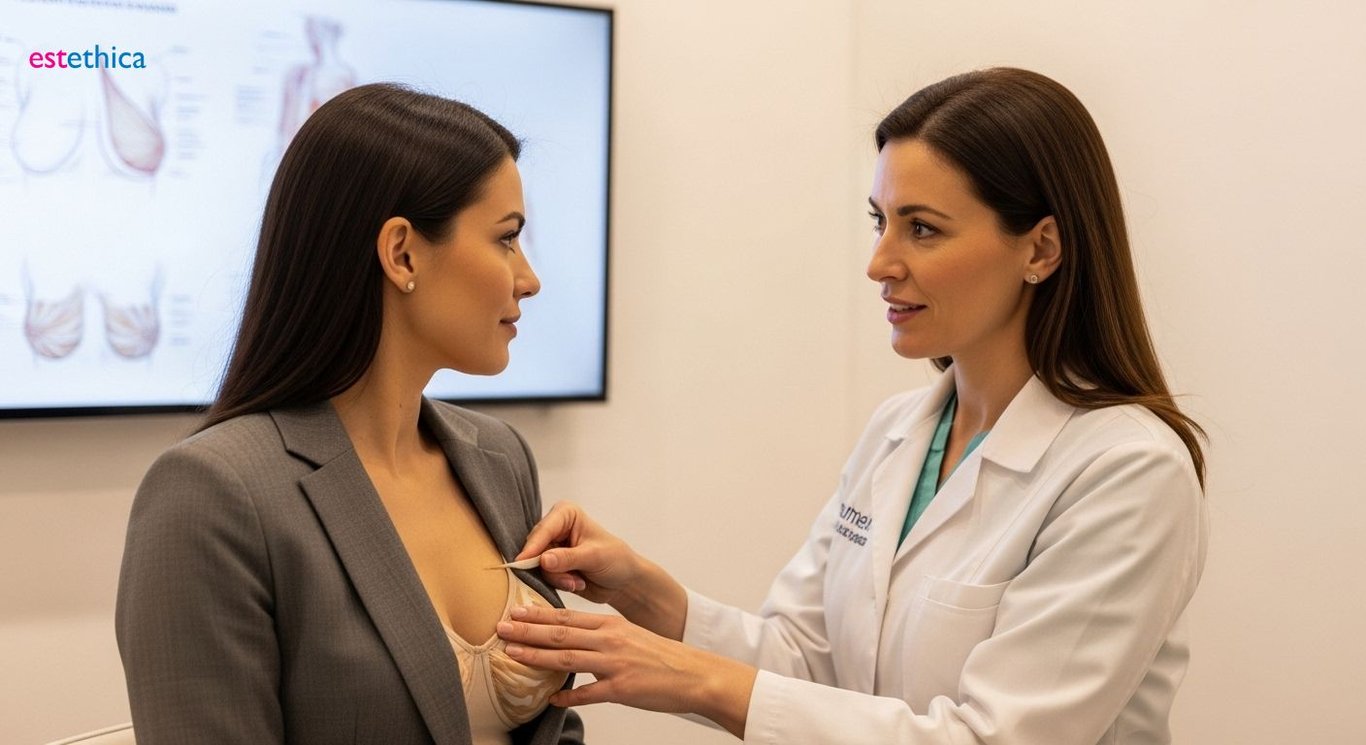
Mammoplasty, widely recognized as breast augmentation, is a surgical procedure designed to enhance breast size and shape through the insertion of breast implants. The success of this procedure hinges on meticulous planning and thorough consultations with a board-certified surgeon. During these consultations, the surgeon assesses the patient's unique anatomy, discusses the various types of breast implants available, and aligns expectations with realistic outcomes. This collaborative approach ensures that the surgical plan is tailored to meet the individual's aesthetic goals, taking into account factors like breast symmetry and overall body proportion.
The surgical approach in mammoplasty varies depending on several factors, including the patient's anatomy, the type of implant used (saline implants or silicone implants), and the desired outcome. Incisions can be made in different locations, such as under the breast (inframammary), around the areola (periareolar), or in the armpit (transaxillary). Each incision site has its advantages and disadvantages regarding scarring and recovery. For example, an inframammary incision may provide the surgeon with greater visibility and control, while a transaxillary incision leaves no scars on the breast itself. The choice of incision site is a crucial aspect of the surgical plan, impacting both the aesthetic result and the patient's recovery experience. A recent survey showed that 60% of patients prioritize minimal scarring when choosing an incision site.
- Personalized Planning: Tailoring the surgical approach to individual anatomy and aesthetic goals.
- Incision Options: Considering various incision sites to minimize scarring and optimize surgical control.
- Realistic Expectations: Aligning patient expectations with achievable outcomes through detailed consultations.
Realistic Outcomes and Important Considerations in Mammoplasty
The primary goal of mammoplasty is to improve breast symmetry and enhance overall body contour. However, it is crucial for patients to have realistic expectations about the results. While breast augmentation can significantly enhance the appearance of the breasts, it may not completely correct pre-existing asymmetry or achieve a perfect, idealized shape. Factors such as skin elasticity, body weight, and natural aging processes can also influence the final outcome. For instance, women with significant ptosis (breast sagging) may require a breast lift (mastopexy) in conjunction with breast augmentation to achieve optimal results. Understanding these limitations and possibilities is essential for a satisfactory surgical experience.
Potential risks and complications associated with mammoplasty include scarring, asymmetry, infection, changes in nipple sensation, and the possibility of implant rupture or deflation. Scarring is an inevitable part of any surgical procedure, but its appearance can vary depending on individual healing factors and surgical technique. Asymmetry can occur if the breasts heal differently or if the implants shift position. Infection is a rare but serious complication that may require antibiotic treatment or implant removal. Patients should be fully informed about these risks during the consultation process and take steps to minimize them, such as following post-operative instructions carefully. For example, maintaining proper wound care and avoiding strenuous activities can help reduce the risk of infection and promote optimal healing. A recent study indicates that the risk of infection following breast augmentation is less than 1%, highlighting the overall safety of the procedure when performed by a qualified surgeon.
- Scarring: Understanding that scarring is an inevitable part of surgery and managing expectations accordingly.
- Asymmetry: Recognizing that perfect symmetry may not be achievable and addressing any concerns with the surgeon.
- Infection: Minimizing the risk of infection through proper wound care and adherence to post-operative instructions.
Breast Augmentation Recovery: Essential Tips for a Smooth Healing Journey
Optimizing Comfort and Healing After Breast Augmentation
Recovering from breast augmentation is a process that demands patience and careful attention to post-operative guidelines. The initial days following surgery are crucial for minimizing discomfort and promoting optimal healing. Patients should prioritize rest, avoiding strenuous activities that could strain the surgical site. Managing pain effectively through prescribed medications is essential for comfort. Wearing a supportive surgical bra helps to stabilize the breast implants and reduce swelling. Attending all scheduled follow-up appointments allows the surgeon to monitor progress and address any concerns promptly. For example, a patient might experience increased swelling in one breast, which the surgeon can assess and manage during a follow-up visit. Adhering to these guidelines ensures a smoother and more comfortable recovery journey.
During the recovery period, it is common to experience swelling and bruising around the breasts. These effects typically subside within a few weeks as the body heals. Gentle massage, as directed by the surgeon, can help to reduce swelling and prevent scar tissue formation. Maintaining a healthy diet rich in vitamins and minerals supports the body's natural healing processes. Staying hydrated by drinking plenty of water helps to flush out toxins and maintain skin elasticity. For instance, incorporating foods like berries, leafy greens, and lean proteins can provide essential nutrients for tissue repair. Avoiding smoking and alcohol is also crucial, as these substances can impair healing and increase the risk of complications. A proactive approach to self-care enhances the overall recovery experience and contributes to the best possible outcome after breast augmentation.
- Rest and Limited Activity: Essential for minimizing strain and promoting initial healing.
- Supportive Bra: Stabilizes breast implants and reduces swelling for added comfort.
- Healthy Diet and Hydration: Enhances the body's natural healing processes and overall recovery.
Navigating the Emotional and Physical Aspects of Recovery
The recovery from breast augmentation involves both physical and emotional adjustments. While the physical aspects, such as pain management and wound care, are crucial, addressing emotional well-being is equally important. Many women experience a range of emotions during this time, from excitement about their enhanced appearance to anxiety about the healing process. It is essential to have a strong support system, including friends, family, or a therapist, to help navigate these feelings. Joining support groups or online forums can provide a sense of community and shared experience. For example, connecting with other women who have undergone breast augmentation can offer reassurance and practical tips for managing recovery. Addressing emotional well-being alongside physical healing contributes to a more positive and fulfilling outcome.
Returning to normal activities after breast augmentation should be a gradual process, guided by the surgeon's recommendations. While it may be tempting to resume exercise and social engagements quickly, it is crucial to allow the body adequate time to heal. Starting with light activities, such as walking, and gradually increasing intensity can help prevent complications. Wearing a supportive sports bra during exercise is essential to protect the breast implants. Patients should also be mindful of their posture and avoid lifting heavy objects. For instance, waiting several weeks before resuming weightlifting or high-impact workouts can minimize the risk of implant displacement. A measured approach to returning to normal activities ensures a safe and successful recovery, allowing women to fully enjoy the benefits of their breast augmentation. According to a 2023 study, gradual return to activity significantly reduces post-operative complications.
- Emotional Support: Seek support from friends, family, or support groups to navigate emotional adjustments.
- Gradual Activity Return: Follow surgeon's recommendations for a safe and successful recovery.
- Protective Measures: Wear supportive bras and avoid heavy lifting to protect breast implants.

Natural-Looking Breast Augmentation: Achieving Subtle, Stunning Results
Achieving a Natural Look with Breast Augmentation
The pursuit of a natural look in breast augmentation has become a prominent trend, emphasizing harmony with the individual's body proportions and personal aesthetic. This approach involves selecting the ideal implant size, shape, and placement to complement the patient's natural curves. The objective is a subtle enhancement that boosts confidence while maintaining the body's overall balance. Modern surgical techniques and meticulous planning enable results that are both impactful and discreet, appealing to those seeking enhancement with subtlety. Achieving this balance requires a detailed understanding of the patient's anatomy and aesthetic goals.
A key element in achieving natural-looking results is the careful selection of breast implants. The size should be proportionate to the patient's frame, avoiding an overly augmented appearance. The shape of the implant also plays a crucial role; teardrop-shaped implants often provide a more natural slope compared to round implants. For example, a woman with a slender build might opt for a smaller, teardrop-shaped implant to enhance her natural curves without appearing disproportionate. The placement of the implant, whether under the muscle or over the muscle, can also affect the final result. Under the muscle placement tends to provide a more natural look, particularly in women with less existing breast tissue. The expertise of the surgeon in guiding these decisions is paramount to achieving a satisfactory outcome.
- Implant Selection: Choosing the right size and shape to complement natural body proportions.
- Surgical Technique: Utilizing advanced methods for optimal implant placement and natural contour.
- Personalized Approach: Tailoring the procedure to meet individual aesthetic goals with subtlety.
Factors Influencing the Cost of Breast Augmentation
The cost of a boob job can vary significantly based on several factors. These include the type of breast implants used (saline implants or silicone implants), the surgeon's fees, anesthesia costs, and facility charges. Geographic location also plays a role; for instance, the boob job cost may be higher in metropolitan areas compared to smaller towns. The complexity of the procedure, such as whether a breast lift is performed in conjunction with breast augmentation, can also affect the overall boob job cost. For example, a patient requiring a mastopexy to correct ptosis will incur additional surgical fees. Understanding these variables is essential for patients to budget effectively and make informed decisions about their surgical options.
Additional expenses to consider when planning for breast augmentation include pre-operative medical tests, post-operative medications, and follow-up appointments. Pre-operative tests ensure that the patient is in good health and suitable for surgery. Post-operative medications help manage pain and prevent infection during the recovery period. Follow-up appointments are necessary to monitor healing and address any potential complications. While these costs may seem minor compared to the main surgical fees, they can add up and should be factored into the overall budget. For instance, a patient might need to purchase special compression garments to aid in healing, which can contribute to the total expense. Preparing for these additional costs ensures a smoother and less stressful experience.
- Surgeon's Fees: Vary based on experience, expertise, and geographic location.
- Anesthesia and Facility Charges: Depend on the type of anesthesia used and the surgical facility.
- Additional Expenses: Include pre-operative tests, post-operative medications, and follow-up appointments.
Advanced Breast Augmentation: Tailoring Implants for Natural Aesthetics
estethica specializes in breast augmentation, offering both saline and silicone implants tailored to individual anatomy and aesthetic goals. Surgeons meticulously plan each procedure, considering factors like body type and desired size to achieve harmonious results.
estethica's plastic surgeons are highly skilled in mammoplasty, ensuring personalized surgical plans that align with patient expectations. With expertise in various incision techniques—inframammary, periareolar, and transaxillary—they prioritize minimal scarring and optimal aesthetic outcomes. The clinic emphasizes comprehensive pre-operative consultations and detailed post-operative care to ensure patient satisfaction and safety.
Smooth Recovery and Lasting Results Through Patient-Centric Breast Augmentation Care
estethica ensures a smooth recovery from breast augmentation through detailed post-operative guidelines, pain management, and the use of supportive surgical bras. The clinic emphasizes a healthy diet, hydration, and gentle massage to reduce swelling and prevent scar tissue formation. Emotional well-being is also addressed, with support systems and community connections available to help patients navigate their recovery.
Patients at estethica benefit from personalized care plans, state-of-the-art facilities, and a dedicated team focused on achieving natural-looking results. The clinic’s emphasis on patient comfort and safety, combined with its commitment to ongoing support, ensures a positive and fulfilling breast augmentation experience.
Frequently Asked Questions
What is breast augmentation and who is it for?
What are the different types of breast implants available?
How long is the breast augmentation recovery time and what tips can help?
How can I achieve natural looking breast augmentation results?
What factors influence the boob job cost?
Ready to discover your healthiest, most beautiful self with estethica's expert guidance?
📞 Book Your Free Consultation!