


Uncover the ultimate guide to breast augmentation, where artistry meets science, helping you craft your perfect silhouette with confidence.
Breast augmentation is much more than just enhancing physical appearance; it's about boosting self-esteem and crafting your ideal silhouette. The choice of undergoing breast augmentation is personal and reflects a commitment to feeling confident and comfortable in one's body. As a significant decision, it requires understanding various aspects of the procedure, including implant options, surgical techniques, recovery process, and long-term care. In this article, we'll explore everything you need to know about breast augmentation, from understanding your implant options to ensuring a smooth recovery.
Understanding Your Breast Implant Options: Saline vs. Silicone
Exploring the Composition and Feel of Breast Implants
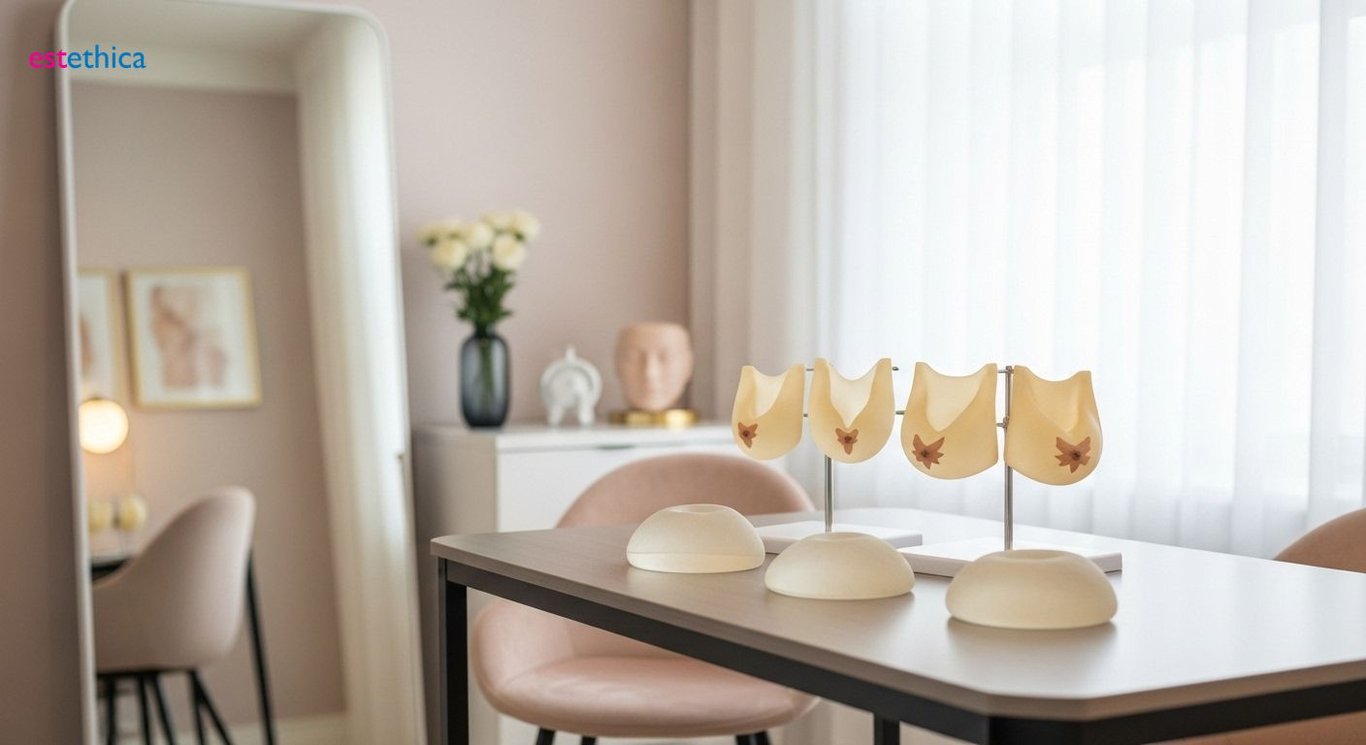
When considering breast augmentation, understanding the materials used in breast implants is essential. Saline implants are filled with a sterile saline solution, which is naturally absorbed by the body if the implant ruptures, posing no health risk. This type of implant provides a more uniform shape and firmness. Silicone implants, conversely, use a silicone gel filling that mimics the feel of natural breast tissue more closely. One unique advantage of silicone is its ability to maintain shape over time, reducing the likelihood of visible rippling under the skin. Typically, most individuals note silicone implants feel more natural. For example, a fitness model might lean towards silicone for its natural feel, while someone seeking a straightforward, less invasive option might choose saline.
Key Differences in Saline and Silicone Implants
- Material Composition: Saline implants contain sterile saltwater, whereas silicone implants use a silicone gel.
- Rupture Impact: A ruptured saline implant is safely absorbed, while silicone requires monitoring to avoid complications.
- Aesthetic Outcomes: Silicone tends to provide a more natural feel and shape compared to saline.
Choosing between saline and silicone implants involves considering factors like desired feel, cosmetic surgery costs, and individual health considerations. Each patient's body reacts differently, influencing surgical outcomes and satisfaction levels. For instance, an athlete might prioritize the natural feel of silicone implants to avoid any constraints during physical activities, while others may prefer the predictable nature of saline. It’s also important to note that silicone implants often require regular MRI scans to ensure their continued integrity, adding to the cost and commitment.
Mammaplasty Techniques: Finding the Right Approach for You
Navigating Incision Options for Breast Augmentation
The success of mammaplasty not only hinges on the implant type and placement but also significantly on the incision technique used. A cosmetic surgery clinic can carefully determine the incision location to minimize scarring. Periareolar incisions, made around the areola, offer the advantage of discreet scarring and are particularly suited for patients needing minimal lift. Inframammary incisions, located in the crease beneath the breast, provide excellent access for implant placement and are easily concealed, especially if a patient already has a defined breast fold. Transaxillary incisions, done through the armpit, leave no scars on the breast itself but may offer less precision in implant placement. The selection of incision type often depends on the patient's anatomy, the size and type of implant, and the surgeon's expertise. For instance, a candidate with smaller breasts might prefer a periareolar approach for less visible scarring, while someone needing significant volume might benefit more from the inframammary incision.
Understanding Breast Implant Placement Techniques
- Submuscular Placement: Involves positioning the implant beneath the pectoral muscle, offering increased tissue coverage for a more natural look, which is ideal for those with less existing breast tissue.
- Subglandular Placement: Positions the implant directly behind the breast tissue but on top of the muscle, often resulting in a rounder, more projected appearance, suitable for patients with ample existing tissue.
- Fat Transfer Augmentation: Utilizes liposuction to harvest fat cells from other parts of the body, which are then injected into the breasts, offering a natural augmentation.
Cosmetic Surgery & Breast Implants: The Art of Natural-Looking Results
Achieving Symmetry and Natural Breast Slope
Achieving natural-looking results with breast augmentation is an intricate balance of art and science, demanding careful consideration of implant size, shape, and placement. Surgeons ensure that the augmented breasts harmonize with the patient’s overall body shape. Modern techniques aim to replicate the natural slope of the breast, avoiding any artificial 'augmented' appearance. A major part of the process includes discussing choices such as Motiva implants.
This approach necessitates a skilled aesthetic eye, broad surgical experience, and comprehensive patient consultations to fully understand their desired aesthetic outcomes. The use of tools like adjustable implant profiles and 3D computer simulations are invaluable, as patients can preview potential post-surgical results and make informed decisions about their bodies. For example, a ballet dancer might seek implants that enhance her figure without hindering flexibility, while a businesswoman may desire a subtle enhancement that maintains a professional image. The objective is to refine the patient’s natural figure, making the enhancement seem effortlessly natural, thereby boosting their self-esteem.
Factors Influencing Natural-Looking Breast Augmentation
- Implant Selection: Choosing the right size and shape of implants to fit the body frame ensures balanced proportions.
- Surgical Technique: Employing precise surgical methods such as submuscular placement, optimizes tissue coverage for a seamless look.
- Patient Consultation: Involving the patient in every step of the planning, ensures satisfaction with minimal risk.
Advanced Visualization and Planning
- Computer Simulations: Using advanced software to show patients possible outcomes aids in realistic expectation setting.
- Adjustable Implants: Allowing for size adjustments during surgery ensures optimal volume and symmetry are achieved.
- Detailed Consultations: Discussing lifestyle considerations, like clothing preferences, to refine the aesthetic goal.

Beyond the Size: Comprehensive Recovery After Breast Augmentation
Optimizing Comfort and Managing Expectations Post-Surgery
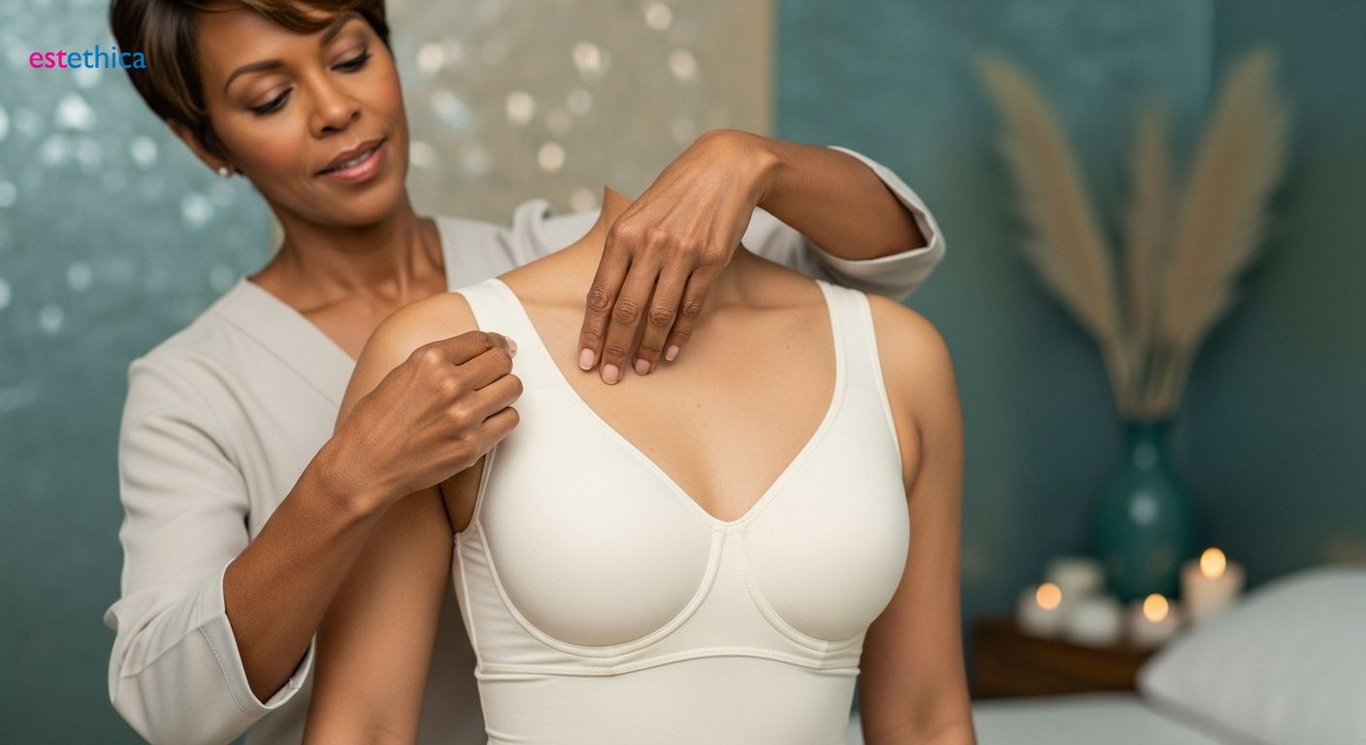
Recovery following breast augmentation is a pivotal journey that significantly influences long-term satisfaction. Patients must diligently follow post-operative guidelines to ensure ideal healing and aesthetic results. The initial recovery phase focuses on controlling swelling and discomfort with prescribed pain management and consistent wearing of supportive surgical garments. Typically, patients can resume light daily activities within about a week, while a full recovery, allowing for strenuous activities, may span several weeks to months, varying with individual healing capacities. Regular follow-up visits with the surgeon are critical to promptly address any arising complications. It’s also essential for patients to be well-informed about the visual progression expected after surgery. Initially, the newly placed implants may appear positioned higher than desired. For instance, one might feel a slight tightness in the chest, or witness a gradual settling of the implants as the tissues adapt, ultimately achieving a more natural and pleasing contour. By week six, most of the swelling resolves.
Essential Steps for a Smooth Recovery
- Adherence to Medication: Taking prescribed pain relievers and antibiotics as directed helps manage discomfort.
- Proper Wound Care: Keeping incision sites clean and dry is crucial to prevent infection.
- Wearing Support Garments: Consistent use of supportive bras aids in reducing swelling and shaping the breasts.
Navigating the Recovery Timeline
- Weeks 1-2: Focus on rest and light activities, managing swelling with ice packs.
- Weeks 3-6: Gradually reintroduce more strenuous activities as comfort levels increase.
- Months 2-6: Full recovery, with implants settling into their final position; continue follow-up appointments.
Understanding the Boob Job: What You Need to Know
Precision Mammaplasty: Achieving Natural Aesthetics Through Incision Mastery and Implant Placement
Comprehensive Breast Augmentation Recovery: Ensuring Patient Comfort and Long-Term Satisfaction
Frequently Asked Questions
What are the key differences between saline and silicone breast implants?
What incision options are available for mammaplasty, and how are they chosen?
How is a natural-looking result achieved with cosmetic surgery and breast implants?
What does the recovery process entail after breast augmentation surgery?
Achieve your aesthetic goals with a personalized treatment plan and expert care.
📞 Book Your Free Consultation Now!