


Discover effective teeth straightening options, comparing traditional braces with modern Invisalign clear aligners. Understand the process, benefits, and what to expect with invisible braces treatment and retainers.
Navigating the world of teeth straightening can be complex, with numerous options available to achieve a confident smile. Traditional braces and modern clear aligners like Invisalign offer distinct advantages for correcting misalignments. This guide explores the nuances of these popular teeth straightening options, helping you understand what are clear aligners, the effectiveness of invisible braces treatment, and what to expect. Whether you're considering the subtle approach of orthodontic aligners or wondering about the dental retainers cost and longevity, we'll provide insights to guide your decision towards the best path for your unique smile.Understanding Invisalign: What Are Clear Aligners?
For many seeking a more aesthetically pleasing way to achieve a straighter smile, traditional metal braces can feel like a significant hurdle. Fortunately, modern orthodontics has introduced revolutionary solutions that offer a virtually invisible alternative. Among the most popular are Invisalign and other clear aligners for teeth, which represent a major advancement in orthodontic care. But what exactly are these clear aligners?
The Mechanics of Clear Aligners
At their core, clear aligners for teeth are custom-made, transparent trays meticulously crafted from smooth, medical-grade, BPA-free plastic. They are designed to fit precisely over your teeth, applying gentle, controlled pressure to gradually move them into their intended positions over time. Patients typically progress through a series of these aligners, exchanging one set for the next every one to two weeks, as dictated by their treatment plan. This phased approach ensures consistent, incremental progress towards a beautifully aligned smile. The discreet nature of these aligners makes them a highly sought-after choice for both adults and teenagers who desire effective teeth straightening without the prominent appearance of conventional metal hardware.
Advantages Over Traditional Methods
One of the most significant advantages of the Invisalign system and similar clear aligner treatments is their removability. Unlike fixed traditional braces, clear aligners can be easily taken out for eating, drinking, brushing, and flossing. This convenience not only simplifies oral hygiene routines, helping to maintain better dental health throughout treatment, but also allows for greater dietary freedom. There are no food restrictions typically associated with metal brackets and wires. Furthermore, the transparency and smooth finish of the aligners make them incredibly discreet, often making it difficult for others to even notice you are undergoing orthodontic treatment. This unique combination of efficacy and subtlety has made Invisalign a preferred option for those seeking to enhance their smile with minimal disruption to their daily lives. For a more in-depth look at the comparison and benefits, you can refer to our guide, Braces & Invisalign: Your Guide to Clear Aligners and Treatment.

The Invisalign Journey: Invisible Braces Treatment Process
Embarking on the path to a straighter smile with Invisalign represents a significant step towards enhancing both your oral health and aesthetic confidence. Unlike traditional metal braces, this innovative approach utilizes a series of custom-made, virtually invisible aligners designed to gradually reposition your teeth with precision and comfort. The journey begins with a thorough consultation and detailed assessment by your orthodontist. This initial stage is crucial for understanding your specific needs and determining if Invisalign is the optimal solution for you. Following this, a state-of-the-art digital scan of your teeth is performed. This advanced technology captures precise 3D images of your mouth, creating a digital blueprint that is fundamental to the entire treatment process.
Mapping Your Bespoke Treatment Plan
Leveraging the detailed digital scan, your orthodontist meticulously crafts a comprehensive treatment plan. This plan outlines the exact sequence of tooth movements, detailing how each aligner will contribute to your final, corrected smile. The beauty of the Invisalign system lies in its customisation; each set of clear aligners is manufactured to fit your teeth perfectly and guide them incrementally towards their desired position. You will receive a series of these bespoke aligners, with each new set representing a further stage in your smile transformation. For optimal results, it is recommended to wear these aligners for approximately 20 to 22 hours per day. They are designed to be removed only for essential activities such as eating, drinking, and maintaining your oral hygiene routine, ensuring minimal disruption to your daily life. This consistent wear is paramount to the success of your treatment.
Monitoring Progress and Maintaining Results
Throughout your treatment, regular check-up appointments with your orthodontist are essential. These visits allow your dental professional to monitor your progress, assess the effectiveness of the current aligners, and ensure that your teeth are moving according to the planned trajectory. Minor adjustments can be made if necessary to optimize the straightening process. This proactive approach ensures that your Invisalign journey remains on track and efficiently moves you towards achieving your smile goals. It's a sophisticated alternative to traditional braces, offering a discreet and effective method for achieving significant dental improvements. For those weighing their options, exploring the differences can be enlightening; you might find our guide on Braces vs. Invisalign: Modern Teeth Straightening Options helpful in understanding the various teeth straightening options available. Once your active treatment phase is complete, maintaining the results is key. Your orthodontist will discuss the importance of retainers to keep your teeth in their newly aligned positions, ensuring your beautiful smile lasts for years to come.
Orthodontic Aligners: Are Invisalign Braces Painful?
One of the most frequent questions potential patients ask about aesthetic and discreet orthodontic solutions like clear aligners for teeth is whether they are painful. While the word "painful" might be a bit strong, it's completely normal to experience some degree of pressure or mild discomfort when you first start wearing a new set of aligners. This sensation is typically most noticeable during the initial few days after switching to a fresh set in your treatment series.
This feeling isn't a sign of harm; rather, it's an indication that your aligners are actively working as intended. They are applying gentle yet consistent pressure to gradually guide your teeth into their correct positions. This mild discomfort is usually temporary and often significantly less intense than the soreness that can be associated with traditional braces. Many individuals find that they adapt very quickly to the feeling, and the benefits of achieving a straighter smile far outweigh any fleeting discomfort experienced during the treatment.
Understanding the Discomfort
The sensation you might feel is due to the controlled force exerted by the clear aligners. Each new set is designed to move your teeth a small increment closer to the final desired position. When you insert a new aligner, it's essentially "pushing" your teeth into a slightly altered alignment, and this process can lead to a feeling of pressure. It’s a normal physiological response as your teeth adapt to the new shape and positioning.
It's important to differentiate this temporary pressure from severe pain. If you experience sharp or persistent pain, it's always best to consult your orthodontist. However, for the vast majority of patients undergoing treatment with Invisalign or similar systems, the experience is manageable. The overall journey towards a straighter smile is designed to be as comfortable as possible, making it a popular choice for adults and teenagers alike seeking an alternative to conventional braces.
Comparing Comfort Levels
When considering your teeth straightening options, understanding the comfort factor is key. While both traditional braces and clear aligners aim to achieve the same result, the patient experience can differ significantly in terms of comfort.
The adaptability of clear aligners for teeth makes them a compelling choice for many. For a detailed comparison of treatment approaches, explore our guide on Braces vs. Invisalign: Your Guide to Teeth Straightening. This resource further elaborates on the nuances of the Invisalign journey and other teeth straightening methods, helping you make an informed decision about the best path to your perfect smile.
Dental Retainers Cost: How Long Do Retainers Last?
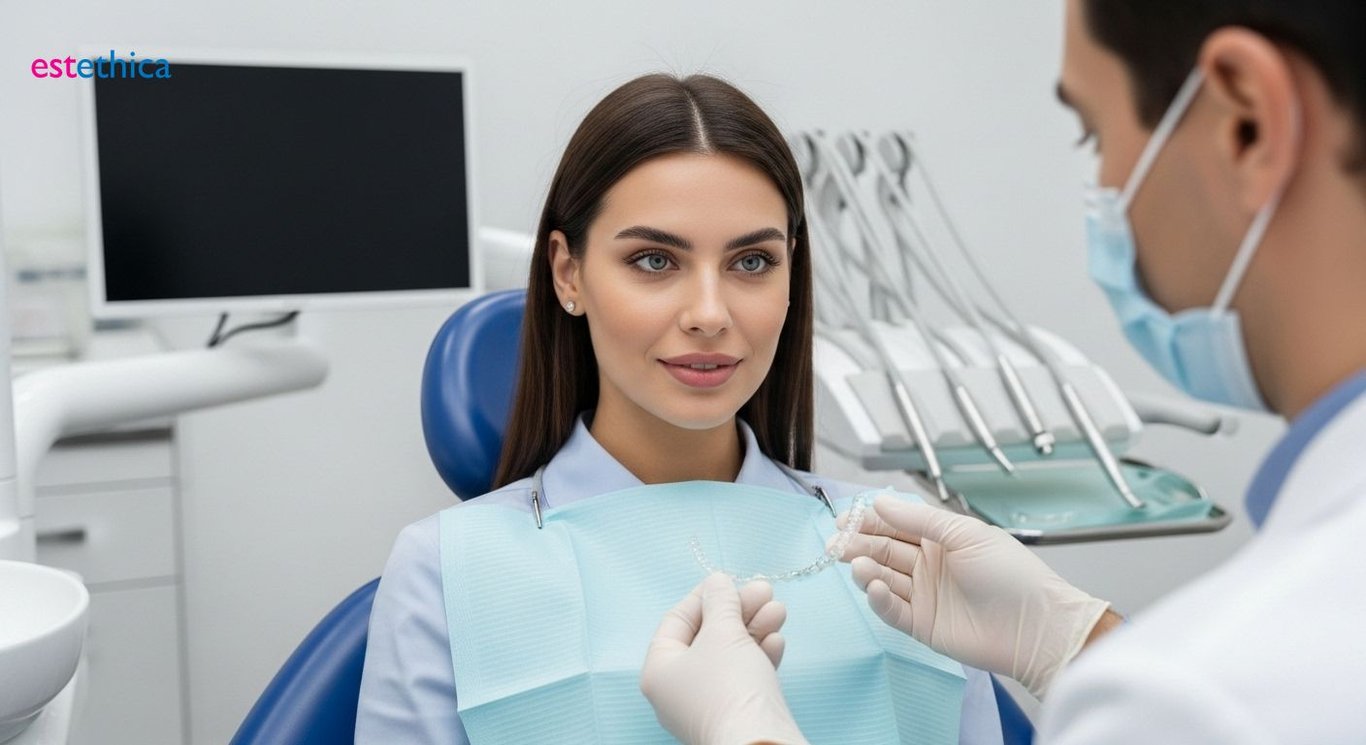
Once your journey to a straighter smile is complete, whether through traditional braces or modern clear aligners like invisalign, retainers become your indispensable allies. These custom-made devices are crucial for preserving the results of your orthodontic treatment. Understanding their lifespan and the associated considerations is key to maintaining your perfect alignment long-term.
Retainers come in two primary forms: fixed (bonded to the back of your teeth) and removable. While fixed retainers are designed for durability and minimal user intervention, removable retainers require diligent care and consistent wear to maximize their effectiveness and longevity. The material used, how you care for them, and your daily habits all play a significant role in determining how long your removable retainers will serve you.
Factors Influencing Retainer Lifespan
On average, a well-maintained removable retainer can last anywhere from one to five years. This range highlights the importance of proper handling and hygiene. Consistent cleaning according to your orthodontist's instructions is paramount. This typically involves gentle brushing with a non-abrasive cleaner and rinsing thoroughly. Avoiding exposure to heat, such as hot water or leaving them in a hot car, is also essential, as it can warp the plastic, rendering them ineffective.
Furthermore, the frequency of wear impacts their durability. If you wear your retainers as prescribed, you're less likely to accidentally damage them. For individuals who opt for treatments like invisalign, the retainers are often made from clear, durable plastic. Even with the best care, wear and tear are inevitable. Look for signs of damage, such as cracks, chips, or warping, and consult your orthodontist immediately if you notice any issues. Regular check-ups with your orthodontist are also vital. These appointments allow them to assess the condition of your retainers and ensure they are still fitting correctly and effectively maintaining your teeth's position.
Investing in retainers is an investment in the long-term success of your orthodontic treatment. They are the final, critical step in ensuring your hard-earned smile stays beautiful. For more information on the broader aspects of achieving straight teeth, consider exploring resources on Braces & Orthodontic Treatment: Achieve Straight Teeth.
Expertly Navigating Invisible Braces Treatment: Invisalign and Clear Aligners
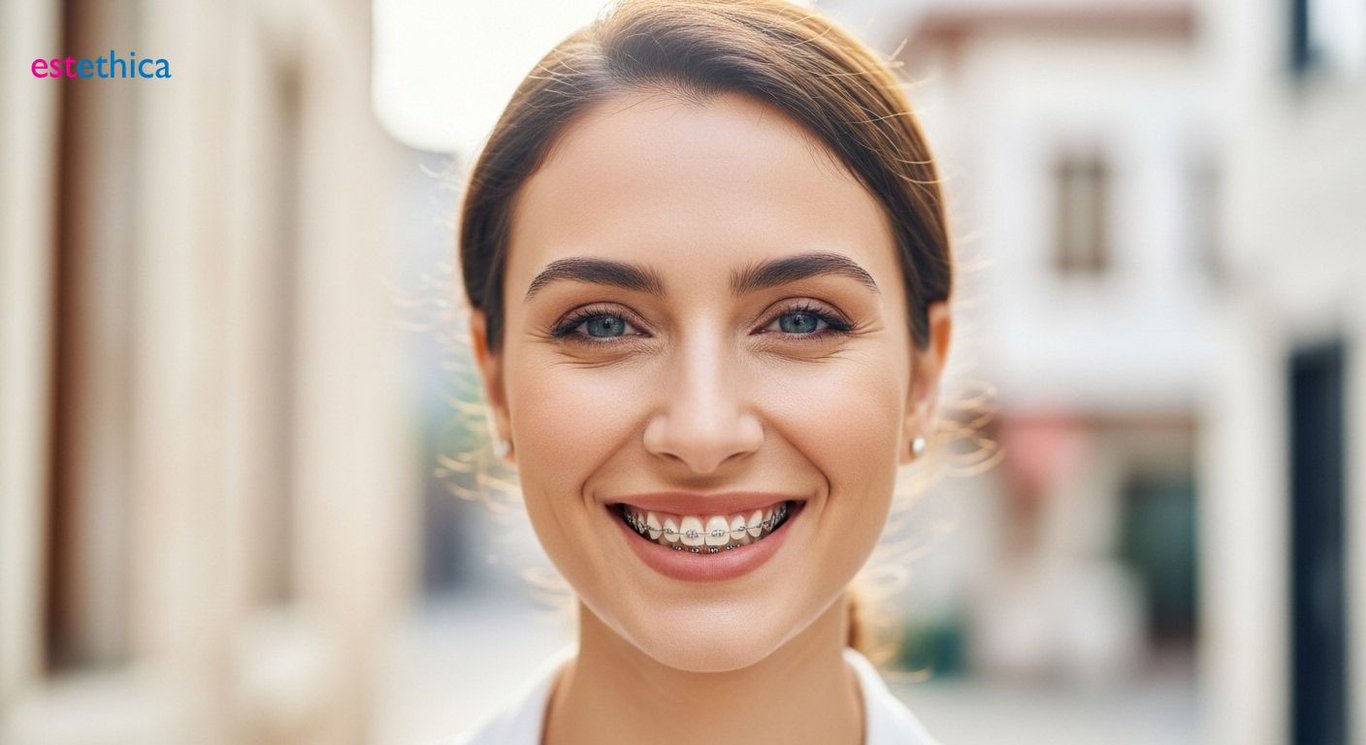
Discover the advanced aesthetic and nearly invisible teeth straightening solutions offered by Invisalign and other clear aligners for teeth. These modern orthodontic aligners provide a comfortable and visually discreet alternative to traditional metal braces, catering to those seeking a more pleasing way to achieve a straighter smile.
Our expertise lies in guiding patients through the entire invisible braces treatment process, from initial consultation to the final retainer phase. We ensure a thorough understanding of how clear aligners function, addressing common concerns like discomfort and treatment duration.
Leveraging extensive knowledge in orthodontic advancements, we provide detailed insights into what are clear aligners and their efficacy. Our approach is grounded in the latest techniques for custom treatment planning and monitoring, ensuring optimal results for each individual.
Trustworthy Guidance on Retainers and Long-Term Smile Maintenance
Building trust is paramount, and we achieve this by transparently discussing the entire teeth straightening journey, including the crucial post-treatment phase. Understanding the dental retainers cost and how long do retainers last is vital for maintaining results, and we offer clear, expert advice.
We reassure patients that any discomfort experienced with clear aligners is temporary pressure, not pain, indicating active tooth movement. This commitment to patient comfort and education fosters a trustworthy relationship throughout the treatment.
The Invisalign system and similar clear aligner treatments are celebrated for their removability, offering unparalleled convenience. This feature, combined with custom-crafted transparent trays made from smooth, medical-grade, BPA-free plastic, ensures a comfortable and discreet experience for patients seeking a straighter smile.