


Comprehensive guide to braces, covering benefits, types (metal, clear, lingual), treatment duration, the journey from start to finish, and aftercare advice.
Embarking on the journey to a straighter smile often leads to the question: what are braces for and how can they help? Dental braces have long been a cornerstone of orthodontic treatment, offering a proven path to correcting misalignments and improving oral health. This guide will walk you through the essential aspects of braces treatment, from understanding their purpose and exploring the various types available, to managing treatment duration and navigating the aftercare process. Whether you're considering braces for yourself or a loved one, we'll provide the insights you need to make informed decisions and achieve your desired results.What Are Braces For? Understanding the Benefits
At their core, braces are designed to correct a wide range of dental issues, including crooked teeth, overbites, underbites, crossbites, and gaps between teeth. The primary goal is to move teeth into their optimal positions, creating a harmonious and functional bite. This alignment is achieved through the application of gentle, continuous pressure over time, guiding the teeth and their roots into their ideal placement within the jawbone. Understanding what braces are for is the first step in appreciating the comprehensive impact of orthodontic care.
The Functional and Aesthetic Advantages of Orthodontic Treatment
Beyond aesthetics, achieving proper alignment through dental braces treatment can significantly improve oral hygiene. Properly aligned teeth are easier to clean, reducing the risk of cavities, gum disease, and tooth decay. When teeth are crowded or overlap, it creates hard-to-reach areas where plaque and bacteria can accumulate. Straightening these teeth opens up these spaces, making brushing and flossing much more effective. Furthermore, correcting bite issues can alleviate jaw pain, improve chewing efficiency, and even enhance speech clarity. For many, the aesthetic transformation is a primary motivator, but the functional benefits are equally crucial for long-term health. You can explore more about these positive changes in our article, Transform Your Smile: The Benefits of Dental Braces.
Embarking on a Journey to a Healthier Smile
The journey with dental braces is a transformative one, leading to not only a visually appealing smile but also a healthier mouth. It addresses underlying structural issues that might not be immediately apparent. Whether you're considering treatment for yourself or a family member, it's important to understand the purpose and profound positive outcomes that can be achieved. This orthodontic intervention is a significant investment in your health and confidence, addressing both functional and aesthetic concerns to create lasting improvements. While many wonder about specific timelines, the duration of treatment, or for instance, how long do braces take, the fundamental purpose remains consistent: to achieve optimal dental health and a beautiful, functional smile.
The initial consultation with an orthodontist is key to understanding your specific needs and how braces can help. They will assess your oral health, discuss your goals, and explain the treatment plan tailored for you. This process ensures that you are well-informed about the benefits and progression of your orthodontic journey. Even small adjustments can make a significant difference in your overall oral well-being and self-esteem. Remember, the goal of dental braces extends far beyond just straightening teeth; it's about creating a foundation for lifelong oral health.
Types of Braces for Teeth: Metal, Clear & Lingual Options
Understanding Your Orthodontic Choices
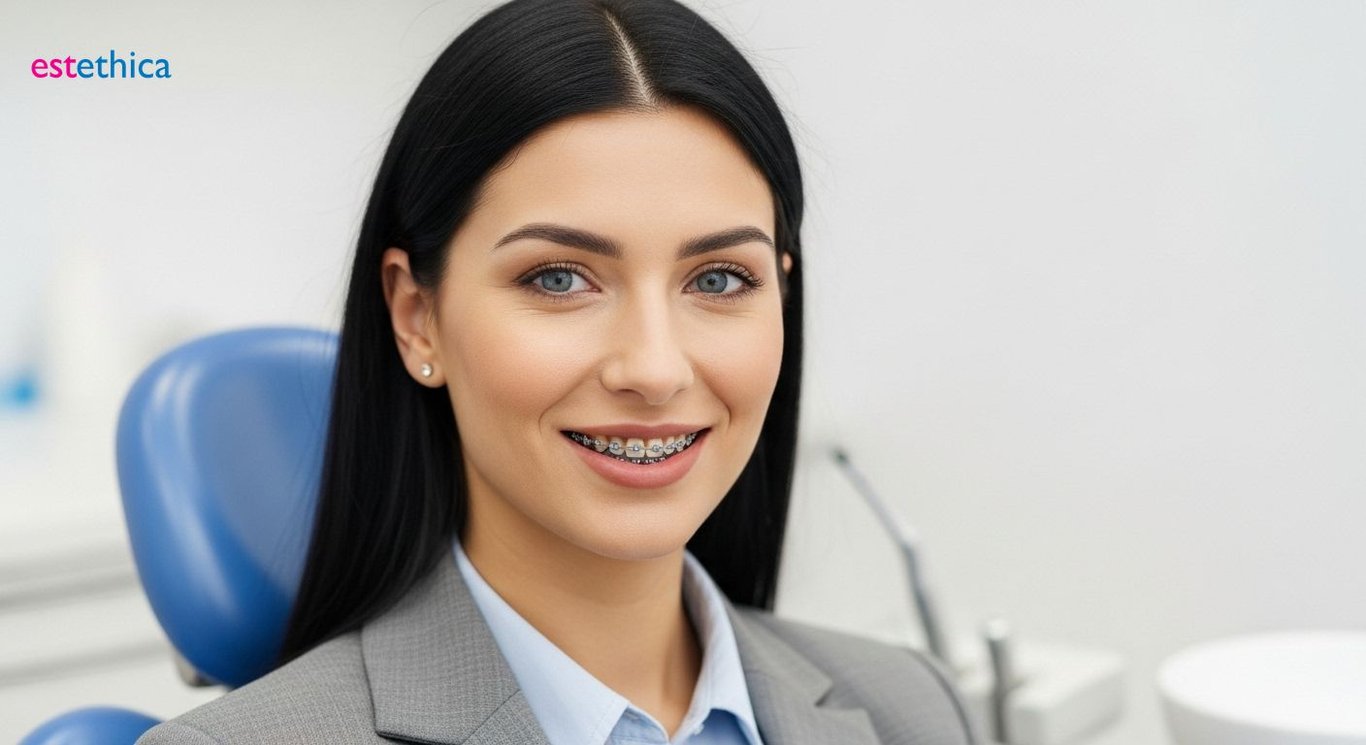
Embarking on the path to a straighter smile opens up a world of possibilities, and understanding the different types of dental braces available is the crucial first step. For decades, traditional metal braces have been a cornerstone of orthodontic treatment, celebrated for their proven effectiveness and durability. These consist of small metal brackets meticulously bonded to the surface of each tooth. A thin wire, known as an archwire, is then threaded through these brackets, and tiny elastic bands, often called ligatures, are used to hold the wire in place, allowing for gradual tooth movement. Their robustness makes them an excellent choice for correcting a wide range of alignment issues.
However, the desire for a more aesthetically pleasing approach has led to the development of innovative alternatives. For individuals who are conscious about the visibility of their orthodontic appliances, clear braces offer a compelling solution. These function on the same principles as their metal counterparts but utilize brackets made from tooth-colored ceramic or transparent materials. This significantly reduces their noticeability, blending more seamlessly with your natural smile throughout the treatment period. This option provides a discreet way to achieve the desired results, making the Braces & Orthodontic Treatment: Achieve Straight Teeth journey feel less conspicuous.
Invisibly Effective: The Lingual Option
For those seeking the ultimate in discretion, lingual braces represent a cutting-edge solution. These custom-made dental braces are attached to the inner (lingual) surface of your teeth, meaning they are completely hidden from view. The brackets and wires are precisely engineered to fit the unique contours of your teeth, ensuring effective correction without compromising aesthetics. While the initial adjustment period may differ slightly, lingual appliances offer an unparalleled level of invisibility. Each of these types of dental braces presents unique advantages, and discussing your specific needs, lifestyle, and the complexity of your orthodontic case with your orthodontist is paramount. They will guide you in selecting the most suitable option to help you achieve your perfect smile, ensuring you have a clear understanding of what to expect, including considerations for how long do braces take to work and the general timeline for treatment.
The journey to a healthier, more aligned smile is a personal one, and knowing the available options empowers you to make informed decisions. Whether you opt for the reliable strength of traditional appliances, the subtle appearance of clear options, or the absolute hidden nature of lingual systems, the outcome is a beautifully enhanced smile. Remember, patience and consistent care are key, and the final result is well worth the investment of time and commitment. Understanding how long do braces take and the different types available is just the beginning of this rewarding process.
How Long Do Braces Take? Estimating Your Treatment Time
One of the most frequent inquiries from individuals considering orthodontic correction is regarding the timeframe involved. How long do braces take to deliver the desired aesthetic and functional improvements? The reality is that the duration of treatment is highly individualized. Several key factors contribute to the overall length of your orthodontic journey. These include the inherent complexity of the bite issues or alignment problems being addressed, the patient's age (as bone and tooth movement can differ between children, adolescents, and adults), the specific apparatus employed, and, critically, the patient's commitment to following their orthodontist's care instructions diligently.
Generally speaking, the period for wearing dental braces can range from a minimum of 12 months to a maximum of three years. However, a significant majority of cases find their resolution within the 18 to 24-month window. This average range provides a useful benchmark, but it's essential to remember that individual circumstances dictate the exact duration.
Factors Influencing Your Treatment Timeline
Understanding the variables that affect treatment duration is key to setting realistic expectations. The intricacy of your specific dental malocclusion is a primary determinant. Severe crowding, significant bite discrepancies, or complex jaw alignment issues will naturally require more time to correct than simpler cases. Similarly, the biological response of your bone and gum tissue to the gentle, continuous pressure exerted by the dental braces plays a role. While age is a factor, advancements in orthodontic technology mean successful treatments are achievable for patients across a wide age spectrum.
The choice of appliance can also influence the timeline. Different types of braces for teeth offer varying degrees of efficiency and speed, depending on the clinical situation. Furthermore, patient compliance is paramount. Consistent wear of elastics or other auxiliaries, regular attendance at scheduled appointments, and meticulous oral hygiene all contribute to keeping your treatment progressing smoothly and efficiently. For a more in-depth understanding of the overall orthodontic process, consider exploring Braces & Orthodontics: Your Path to a Perfect Smile, which delves into the comprehensive aspects of achieving a straighter, healthier smile.
Estimating Your Personalized Schedule
Your orthodontist is the best resource for a personalized estimate. Following an initial consultation, a thorough examination of your teeth, bite, and overall oral health will allow them to develop a tailored treatment plan. This plan will include an estimated timeline for your specific case. Regular follow-up appointments are not just for adjustments; they are crucial for monitoring your progress, making necessary modifications, and ensuring that your treatment remains on track to meet its projected end date. Knowing how long do braces take helps manage expectations and fosters a sense of accomplishment as you progress towards your ideal smile.
The Braces Treatment Journey: From Start to Finish
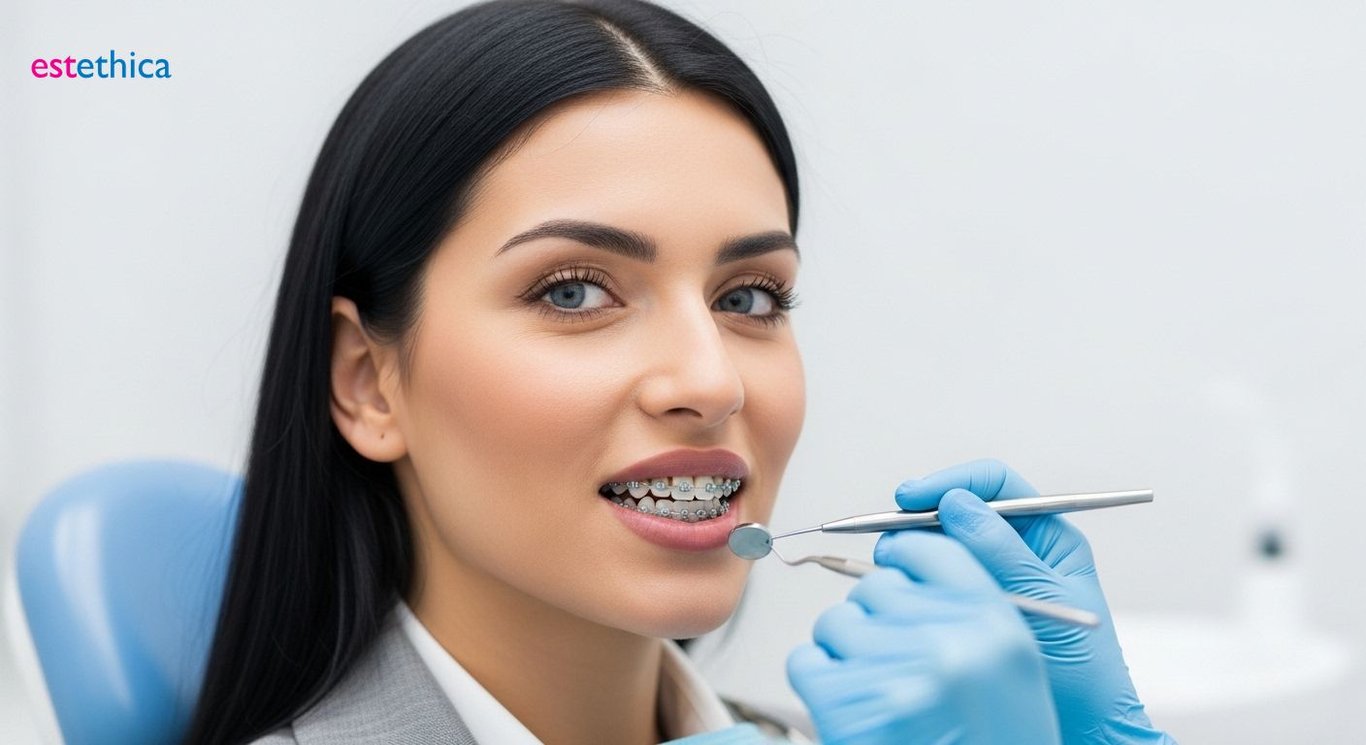
Embarking on the path to a straighter smile with dental appliances is a significant step, and understanding the process can make the journey smoother and more rewarding. The adventure begins long before the brackets are applied. It commences with a comprehensive orthodontic evaluation. During this crucial initial visit, your dental professional will meticulously assess the alignment of your teeth and the harmony of your bite. This involves detailed examinations, often including X-rays, precise impressions of your teeth, and photographs. These elements are vital for crafting a bespoke treatment strategy tailored specifically to your unique needs.
The Application and Adjustment Phase
Once your personalized treatment plan is finalized, the actual application of the dental appliances takes place. This is a carefully managed procedure. Your teeth will be thoroughly cleaned, followed by the application of a special bonding agent to ensure a secure fit for the brackets. The archwire, the main component responsible for guiding tooth movement, is then skillfully threaded through these brackets and secured, often with small, colorful elastic bands or discreetly placed clips. This marks the beginning of the active phase of your smile transformation.
Throughout the duration of your treatment, regular follow-up appointments are essential, typically scheduled every four to eight weeks. At these check-ins, your orthodontist will make necessary adjustments, which might involve tightening the archwire or switching to a different type to progressively guide your teeth into their optimal positions. Managing any initial discomfort and diligently maintaining superior oral hygiene are paramount during this period. You can learn more about the various options available by visiting our page on Explore Modern Braces Treatment Options for a Perfect Smile. Understanding how long do braces take can vary significantly based on individual cases and the complexity of the orthodontic issues being addressed.
The Final Stages and Long-Term Success
The culmination of the orthodontic process involves the removal of the dental appliances, a moment many eagerly anticipate. Following this, a retainer is typically fitted. This custom-made device is critical for preserving the beautiful results achieved. It works tirelessly to keep your teeth in their new, aligned positions, preventing any relapse. Adhering to the prescribed retainer wear schedule and continuing with excellent oral hygiene practices are fundamental to ensuring the longevity of your newly acquired, confident smile. The effectiveness of dental appliances relies heavily on patient cooperation throughout the entire treatment timeline, from initial consultation to final retainer use, underscoring the importance of each step in the overall endeavor.
Innovative Orthodontic Solutions for a Straighter Smile
Our comprehensive guide delves into the world of dental braces, offering detailed insights into their functional and aesthetic advantages. We explore the latest advancements in orthodontic technology, ensuring you understand the modern braces options available to achieve your ideal smile.
We meticulously explain what braces are for, highlighting how they correct misalignments like crooked teeth, overbites, underbites, crossbites, and gaps, leading to improved oral health and a more harmonious bite. The emphasis is placed on achieving not just a visually appealing smile, but a healthier mouth overall through expert-guided treatment.
Our team possesses extensive expertise in orthodontic care, utilizing proven methodologies to deliver exceptional results. We are dedicated to providing patients with clear, actionable information, empowering them to make informed decisions about their treatment journey.
We specialize in a range of orthodontic interventions, from traditional metal braces to discreet clear aligners and advanced lingual braces, catering to diverse patient needs and preferences. Our commitment is to guide you through every step of the process, ensuring a comfortable and effective experience.
Your Trusted Partner in Achieving Your Dream Smile
The initial consultation with an orthodontist is key to understanding your specific needs and how braces can help, forming the bedrock of a trusting relationship. We prioritize transparency and personalized care throughout your braces treatment journey.
We offer a detailed overview of the braces treatment journey, from application and adjustments to the final stages and long-term success, ensuring you feel confident and informed. Our process is designed for maximum patient comfort and minimal disruption, reinforcing our trustworthiness.
Embarking on the path to a straighter smile opens up a world of possibilities, and understanding the different types of dental braces available is the crucial first step. We help you navigate these choices, ensuring you select the best braces treatment for your unique situation.
We provide clear estimates for treatment timelines, explaining the factors influencing how long braces take, generally ranging from 12 months to three years. This realistic approach builds trust by setting accurate expectations for your personalized schedule and the rewarding outcome of a beautifully aligned smile.