


Transform your life with bariatric surgery. Explore your options and embark on a healthier journey.
Bariatric surgery has emerged as a promising solution for many individuals seeking long-term weight loss. This surgical intervention goes beyond mere weight reduction, aiming to transform lives by fostering healthier habits and improving quality of life. However, deciding to undergo bariatric surgery is a significant decision that involves understanding the different options available and the lifestyle changes required post-surgery. In this journey of transformation, knowing whether weight loss surgery is right for you, understanding the differences between procedures like gastric bypass and sleeve gastrectomy, and preparing for life and recovery post-surgery are pivotal steps.
Is Weight Loss Surgery Right for You?: Candidacy and Expectations
Determining Candidacy for Bariatric Surgery
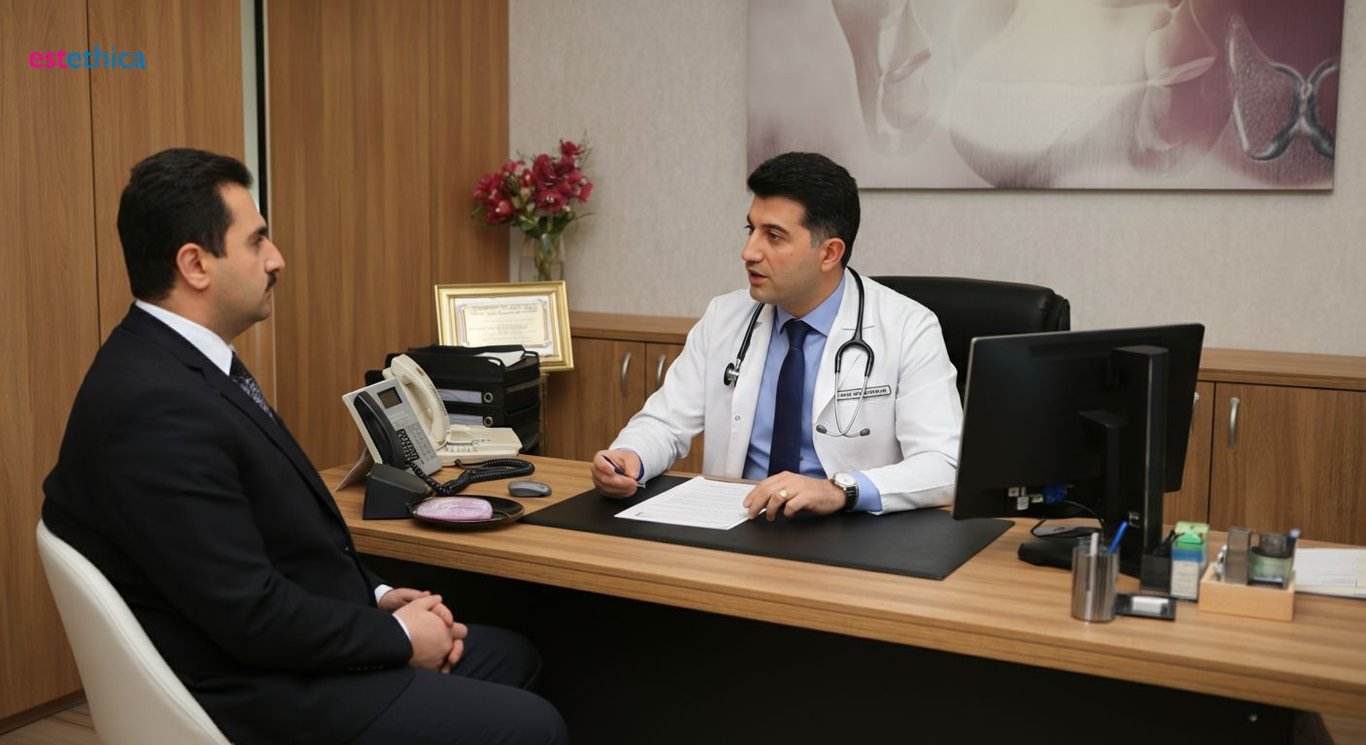
Choosing to undergo bariatric surgery is a significant decision that requires careful consideration. The initial step involves determining if you meet the accepted criteria for weight loss surgery. Generally, individuals with a body mass index (BMI) of 40 or higher, or those with a BMI of 35 accompanied by obesity-related health issues such as type 2 diabetes or hypertension, are often considered suitable candidates. Beyond BMI, an evaluation of your overall health, psychological state, and commitment to lifestyle changes is crucial. Unlock Your Potential: Bariatric Surgery Insights provides a broader view of the overall process.
The NICE bariatric surgery guidelines emphasize a comprehensive approach to patient selection, highlighting that bariatric surgery should be considered when all other appropriate conservative management options have been tried but have failed to achieve or maintain adequate weight loss. Moreover, it's essential to have realistic expectations about the outcomes. While bariatric surgery, including gastric bypass and sleeve gastrectomy, can lead to significant weight loss and improvement in health conditions, it's not a magic bullet. For instance, while some studies suggest that on average, patients lose 50-70% of their excess weight, individuals need to understand that results can vary. Commitment to adopting healthier dietary habits, engaging in regular physical activity, and attending follow-up appointments is crucial for long-term success.
Essential Considerations Before Surgery
- Health Evaluation:Assess your overall health status to ensure you can safely undergo surgery.
- Psychological Readiness:Evaluate your mental and emotional preparedness for the lifestyle changes required after surgery.
- Commitment to Change:Confirm your willingness to adhere to new dietary and exercise guidelines.
Gastric Bypass vs. Sleeve Gastrectomy: Decoding Your Surgical Options
Understanding Gastric Bypass
Gastric bypass, a popular form of weight loss surgery, alters the digestive process to help individuals struggling with obesity. This procedure involves creating a small stomach pouch, about the size of an egg, and connecting it directly to the small intestine. By bypassing a large portion of the stomach and duodenum, the body absorbs fewer calories and nutrients from food. This often leads to significant weight loss. Gastric bypass is particularly effective for individuals with type 2 diabetes, as it can lead to rapid improvement or even remission of the disease, aligning with NICE bariatric surgery guidelines by addressing obesity-related comorbidities. Many consider gastric bypass because of Bariatric bypass surgery recovery time.
Individuals who opt for gastric bypass may experience what is known as "dumping syndrome" if they consume high-sugar or high-fat foods. This occurs when the stomach contents move too rapidly into the small intestine, leading to symptoms like nausea, vomiting, and diarrhea. Despite these challenges, gastric bypass offers significant benefits, including substantial weight loss and improvement in overall health. It’s essential to consult with bariatric surgery specialists to understand whether you are a candidate. For example, if someone has severe acid reflux, the bypass procedure might be more suitable as it can mitigate these symptoms compared to a sleeve gastrectomy.
Exploring Sleeve Gastrectomy
- Procedure: Surgical removal of approximately 80% of the stomach.
- Mechanism: Limits food intake by reducing stomach size and decreases hunger hormones.
- Outcomes: Significant weight loss can improve related health conditions..

Life After Obesity Surgery: Transforming Your Health and Habits
Adopting New Eating Habits
After undergoing obesity surgery, developing new eating habits is crucial for long-term success. The initial phase focuses on a liquid diet, gradually transitioning to pureed and soft foods. This progression helps the body adjust to the altered digestive system. It is essential to prioritize protein intake to maintain muscle mass and support overall health. Patients are advised to eat small, frequent meals throughout the day, typically six to eight, to avoid overwhelming the reduced stomach capacity. Many find it beneficial to track their food intake using a journal or a mobile app to stay accountable and ensure they meet their nutritional goals. This also helps in identifying and addressing any dietary deficiencies early on.
Adjusting to these new eating habits can be challenging, but it is a cornerstone of life after weight loss surgery. One key strategy is to focus on mindful eating, paying attention to hunger and fullness cues to prevent overeating. For example, taking smaller bites, chewing food thoroughly, and eating slowly can aid digestion and enhance satiety. Additionally, avoiding sugary drinks and high-fat snacks is essential to maximize weight loss and prevent dumping syndrome, aligning with bariatric surgery guidelines NICE. Bariatric surgery recovery time varies, so it's important to follow your surgeon's specific dietary recommendations.
The Role of Exercise and Supplements
- Increased Energy: Weight loss often results in heightened energy levels, making physical activity more enjoyable.
- Health Benefits: Regular exercise helps maintain weight loss and improves cardiovascular health.
- Vitamin Supplements: Essential to compensate for reduced nutrient absorption post-surgery.
Navigating Recovery: A Comprehensive Guide to Post-Bariatric Surgery Care
Dietary Guidelines and Post-Operative Care
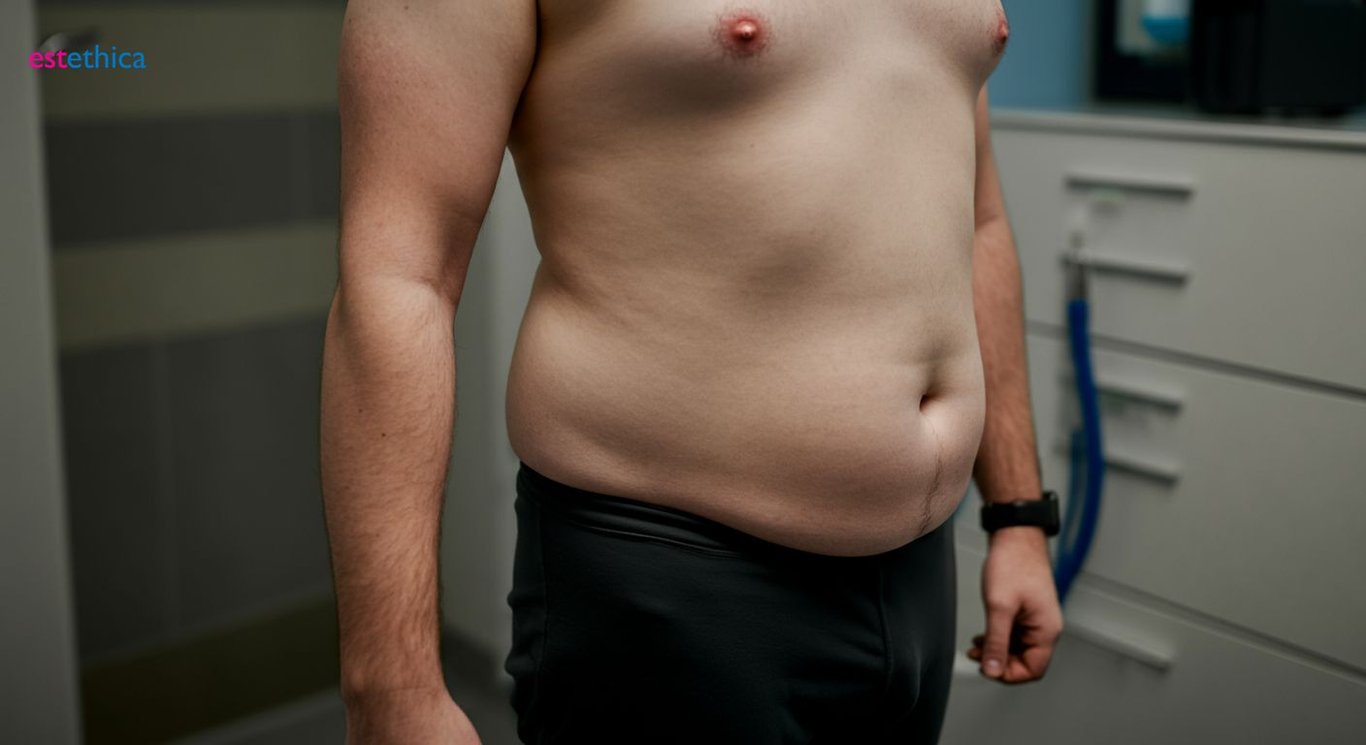
Successfully navigating recovery after bariatric surgery hinges on a steadfast commitment to dietary guidelines and a comprehensive understanding of potential post-operative complications. These guidelines are essential for ensuring optimal healing, preventing nutritional deficiencies, and maximizing long-term weight loss. Adherence to these protocols supports overall well-being following weight loss surgery. Most patients find they can resume their normal activities within four to six weeks after the procedure, provided there are no significant complications.
Regular follow-up appointments with healthcare providers are a cornerstone of post-bariatric surgery care. These visits are crucial for monitoring your health progress, adjusting dietary plans as needed, and addressing any emerging issues promptly. For example, symptoms such as persistent nausea or abdominal pain should be reported immediately. Remember, bariatric bypass surgery recovery time varies, and consistent communication with your medical team is key. Such proactive care ensures that any necessary interventions are timely and effective, supporting a smoother recovery and better health outcomes. This aligns with NICE bariatric surgery guidelines, emphasizing continuous care and monitoring.
Essential Steps for a Smooth Recovery
- Follow-Up Appointments:Regular visits with your surgeon and healthcare team to monitor progress and address any concerns.
- Nutritional Guidance:Adherence to a structured dietary plan to ensure adequate nutrient intake and prevent deficiencies.
- Activity Resumption:Gradual return to normal activities within four to six weeks, as advised by your doctor.
Advanced Bariatric Techniques: Gastric Bypass and Sleeve Gastrectomy for Optimized Weight Loss
estethica employs advanced bariatric surgery techniques including gastric bypass and sleeve gastrectomy tailored to individual patient needs. Gastric bypass creates a small stomach pouch connected directly to the small intestine, reducing calorie and nutrient absorption. Sleeve gastrectomy involves removing approximately 80% of the stomach, limiting food intake and reducing hunger hormones.
estethica's bariatric surgery specialists are highly skilled in performing these procedures, ensuring patient safety and optimal outcomes. The clinic adheres to NICE bariatric surgery guidelines, providing comprehensive patient evaluation and personalized treatment plans. Patients receive thorough preoperative assessments and detailed postoperative care instructions, enhancing the overall success of the surgical intervention.
Comprehensive Post-Operative Care: Ensuring Patient Well-being and Successful Recovery After Bariatric Surgery
estethica provides comprehensive post-operative care, including dietary guidelines, regular follow-up appointments, and prompt response to any emerging issues. Patients receive detailed instructions on transitioning through liquid, pureed, and soft food diets to accommodate their altered digestive systems. Regular monitoring and adjustments to dietary plans ensure adequate nutrient intake and prevent deficiencies, supporting a smooth and successful recovery.
Patients consistently report high satisfaction with estethica’s bariatric surgery program, citing significant weight loss, improved health, and enhanced quality of life. The dedicated healthcare team’s support and guidance throughout the pre- and post-operative phases contribute to positive patient experiences and successful long-term weight management. By focusing on personalized care and continuous support, estethica ensures excellent outcomes and fosters trust with its patients.
Frequently Asked Questions
Who is a good candidate for Bariatric Surgery?
What is the difference between Gastric Bypass and Sleeve Gastrectomy?
What kind of lifestyle changes are necessary after Obesity Surgery?
What does the recovery process after Bariatric Surgery involve?
Achieve your aesthetic goals with estethica's expert guidance and advanced techniques in plastic surgery, hair transplantation, and medical aesthetics.
📞 Book Your Free Consultation Today!