


Bariatric surgery could be the next step in your weight loss journey, offering sustainable results and health improvements.
Bariatric surgery is often seen as a transformative step in achieving sustained weight loss for individuals struggling with obesity. However, understanding the intricate details about procedures and their long-term impacts is crucial before taking this decisive step. This guide aims to shed light on the multifaceted world of weight loss surgery and to help you decide if it might be the right path for you.
Weight Loss Surgery: Your Path to a Healthier New Year
Understanding the Impact of Bariatric Surgery
As a new year begins, many people aim to improve their health. Bariatric surgery, encompassing procedures like gastric bypass, offers a solution for those who struggle with weight. It's particularly effective for individuals with a BMI over 40 or those with weight-related conditions. For instance, someone with a BMI of 45 and type 2 diabetes might consider this option. These procedures significantly alter digestion, leading to permanent weight reduction. Starting the year with a solid plan that includes understanding the benefits and risks related to your decision is essential.
Factors Influencing the Decision for Weight Loss Procedures
- BMI Threshold: Bariatric surgery is often recommended for individuals with a BMI of 40 or higher, indicating severe obesity. For example, a person who is 5’6” and weighs 250 pounds has a BMI that may qualify them for surgery.
- Co-existing Health Conditions: Many patients considering bariatric surgery have weight-related health issues such as type 2 diabetes, hypertension, or sleep apnea. Each of these conditions can be significantly improved with weight loss.
- Failed Traditional Weight Loss Methods: Candidates for surgery have typically tried multiple methods of weight loss without success. This might include diet programs, exercise regimens, and medication, all of which have proven ineffective over time.

Gastric Bypass vs. Sleeve Gastrectomy: Which is Right for You?
Comparing Surgical Approaches for Weight Loss
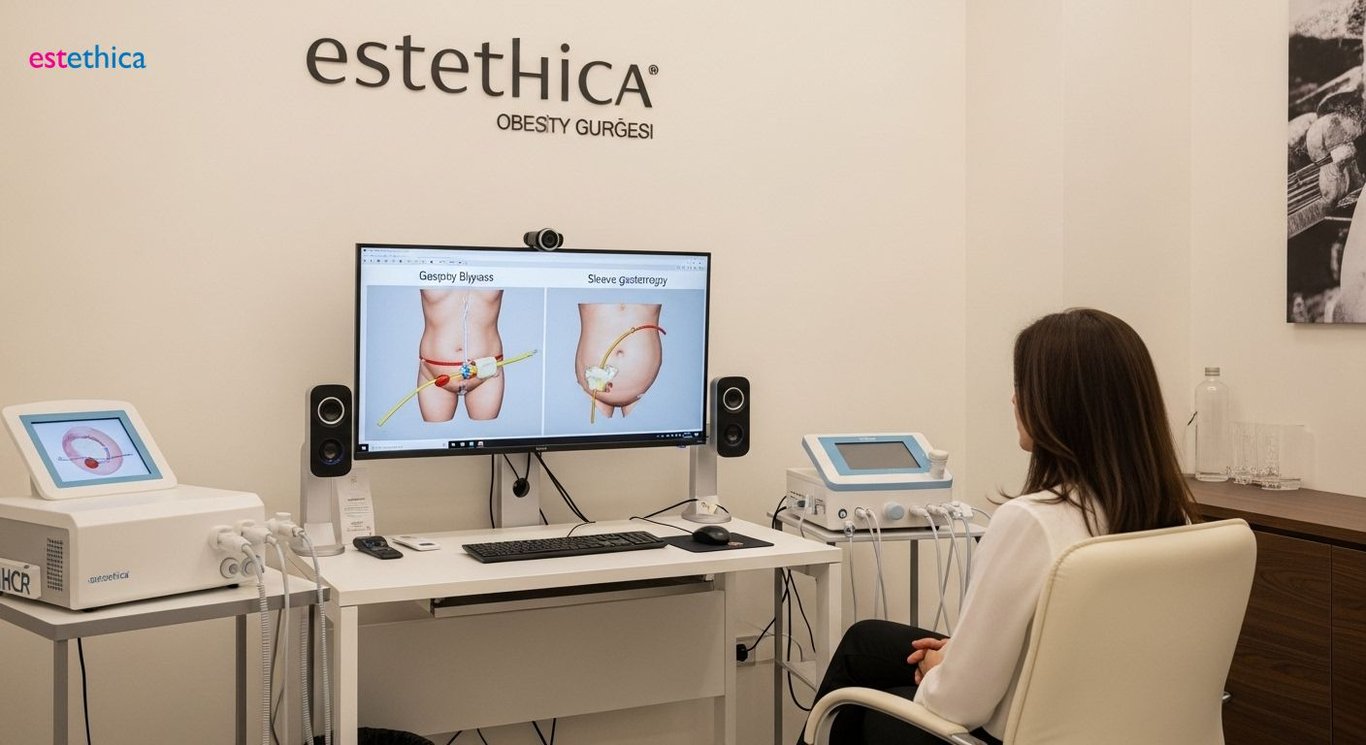
When it comes to choosing the right type of weight loss surgery, understanding the differences between gastric bypass and sleeve gastrectomy is essential. Gastric bypass surgery involves creating a small pouch from the stomach and connecting it directly to the small intestine, bypassing a large portion of the stomach. This leads not only to reduced food intake but also decreases the absorption of nutrients. For example, patients may experience rapid weight loss due to both these factors, which is suitable for individuals with a high BMI.
Sleeve gastrectomy, on the other hand, reduces the stomach to about 15% of its original size, limiting food intake and affecting hunger hormones. Both procedures have distinct benefits and potential risks, and the right choice depends on individual health circumstances and weight loss goals. Consulting with a healthcare professional is vital for assessing suitability for either procedure. For someone with a history of intestinal issues, sleeve gastrectomy might be more appropriate due to its less invasive impact on the digestive tract.
Lifestyle Adjustments Post-Surgery
- Dietary Changes: Post-surgery requires a strict diet, emphasizing small, frequent meals. For example, high-sugar foods are typically avoided to prevent dumping syndrome, a common issue after gastric bypass.
- Vitamin Supplementation: Due to altered nutrient absorption, especially after gastric bypass, lifelong vitamin and mineral supplementation is necessary. Common supplements include B12, iron, and calcium.
- Regular Exercise: Consistent physical activity is crucial to maintain weight loss and overall health. This can involve a mix of cardiovascular exercises like walking and strength training.
Life After Bariatric Surgery: Navigating Your Recovery Timeline
Adapting to Dietary Changes Post-Surgery
Embarking on life after bariatric surgery involves a significant commitment to new eating habits and lifestyle adjustments. Initially, a phased diet is essential, typically beginning with clear liquids before gradually reintroducing pureed foods, soft foods, and finally solid foods. Sticking to these guidelines is crucial as the stomach heals to prevent complications such as leaks or obstructions. For example, immediately post-surgery, a patient will consume only clear broths and sugar-free gelatin, slowly advancing to mashed potatoes and yogurt within a few weeks. Adherence to the recommended diet is also vital for maximizing weight loss and must be compatible with Obesity Surgery. Psychological support is valuable; adjusting to a drastically new way of eating can be emotionally challenging.
Key Strategies for Ongoing Recovery and Support
- Consistent Physical Activity: Regular exercise is vital, promoting not only weight loss but also improving mood and overall fitness. Starting with light activities like walking and progressively including strength training will have a great impact.
- Nutritional Monitoring: Ongoing follow-ups with a dietician ensure you meet nutrient requirements. These professionals can help manage any deficiencies that may arise from the altered digestive system.
- Join Support Networks: Connecting with others who have undergone similar experiences provides a sense of community. Sharing experiences and advice with peers enhances emotional support.

Finding the Best Bariatric Surgeons: What to Look For
Essential Criteria for Selecting a Surgeon
The success of bariatric surgery significantly hinges on the expertise of the surgeon and medical team. When evaluating potential surgeons for Obesity Surgery, consider their experience, patient reviews, and accreditation from recognized health organizations. Top bariatric centers will offer comprehensive pre-op and post-op support, ensuring patients receive holistic care. For instance, a surgeon with over ten years of dedicated bariatric experience is more likely to handle complex cases effectively.
Understanding Consultation and Follow-Up Care
- Initial Consultation: The surgeon should provide a thorough evaluation, discussing the potential benefits and risks of weight loss surgery. This involves assessing the patient’s health history and suitability for the procedure. For example, understanding a patient's history of diabetes is vital.
- Post-Operative Support: A good surgeon offers detailed follow-up appointments to monitor recovery and provide ongoing dietary and lifestyle guidance. estethica surgeons prioritize clear communication and support during this crucial phase.
- Ethical Treatment Plans: estethica, for instance, provide tailored and ethical treatment plans, utilizing state-of-the-art technology to enhance patient outcomes. You should compare several options and make sure that you choose the options which is the most suitable for you.
Understanding Bariatric Surgery: A Comprehensive Guide
Advanced Bariatric Techniques for Optimized Weight Loss Results
estethica's bariatric surgery services encompass a range of advanced techniques, including gastric bypass and sleeve gastrectomy, tailored to individual patient needs. These procedures alter digestion to promote significant and sustained weight reduction, especially beneficial for individuals with a BMI over 40 or those with weight-related conditions like type 2 diabetes.
estethica's surgeons possess extensive experience in bariatric surgery, ensuring patients receive expert care throughout their weight loss journey. The medical team offers comprehensive pre-op and post-op support, guiding patients through dietary changes, vitamin supplementation, and regular exercise regimens for long-term success. estethica prioritizes patient education and ethical treatment plans, utilizing state-of-the-art technology to enhance patient outcomes.
Personalized, Ethical Treatment Plans for Bariatric Surgery Patients
estethica's bariatric surgery programs emphasize patient safety and well-being, providing individualized treatment plans tailored to each patient's specific needs and health history. The hospital implements strict quality control measures, including risk management, document management, and emergency preparedness systems. estethica also promotes accessibility through 24/7 availability and transparent communication.
Patients benefit from a supportive environment, including connections with others who have undergone similar experiences, enhancing emotional support and promoting long-term adherence to lifestyle changes. The dublex patient rooms are designed with concepts from world cities, providing comfort and designed to promote recovery.
Frequently Asked Questions
What is the typical BMI for surgery to qualify for weight loss surgery?
What are the primary differences between Gastric Bypass and Sleeve Gastrectomy?
What does the recovery timeline look like after bariatric surgery?
What should I look for when finding the best bariatric surgeons?
Considering aesthetic surgery, hair transplant, or medical aesthetics?
📞 Get Your Free Consultation!