


Unlock the power of a full beard to redefine your look and boost your confidence with cutting-edge beard transplant techniques.
The quest for a perfect beard is no longer a distant fantasy but a feasible option thanks to the advancements in beard transplant techniques. Whether you are aiming to redefine your look or enhance your facial features, a beard transplant can offer a transformative experience. Let's delve into the multifaceted world of facial hair transplants and discover how they can elevate your confidence.
Facial Hair Transplant: Achieving the Perfect Beard Density
Understanding the Nuances of Beard Density in Transplantation
A beard transplant aims to create a natural and dense facial hair appearance. The Follicular Unit Extraction (FUE) technique allows for precise placement of individual hair follicles. Careful planning ensures the transplanted hair integrates seamlessly with existing facial hair. This integration creates a fuller, more even beard. Factors such as hair direction and angle play crucial roles in achieving a natural look. The ultimate goal is to enhance facial aesthetics and improve self-confidence through meticulous hair placement.
Key Considerations for Achieving Ideal Beard Density
- Follicular Unit Selection: Choosing the right hair follicles from the donor area is critical for achieving the desired beard density. Thicker grafts should be strategically placed in areas needing more volume.
- Angle and Direction: The angle and direction of each transplanted follicle should mimic natural hair growth patterns. This ensures the beard looks natural and not artificially dense.
- Distribution Strategy: A detailed plan to distribute the transplanted hair evenly across the facial area helps avoid unnatural clumping or sparse patches.
The expertise of the surgical team is essential in managing these factors to deliver a satisfying aesthetic outcome. Individual patient goals should also be carefully considered during the planning process.
Optimizing Beard Restoration for Patchy Growth Areas
Addressing patchy facial hair involves a strategic approach to beard restoration. The procedure targets areas lacking density, carefully filling in gaps to create a seamless look. The surgeon determines the appropriate follicle density for each zone, ensuring the transplanted hair blends naturally with existing hair. This meticulous planning results in a fuller and more uniform beard. The careful distribution of follicles allows for enhanced styling versatility and aesthetic balance. Patients often report increased satisfaction with their appearance due to improved beard density and overall facial harmony.
Steps to Correct Patchy Areas
- Assessment of Patchy Areas: A thorough evaluation to identify areas with sparse hair growth and determine the required follicle density.
- Strategic Follicle Placement: Precise transplantation of hair follicles into patchy areas, ensuring seamless integration with existing hair.
- Post-Procedure Care: Following a strict aftercare regimen to promote hair follicle survival and optimal beard density.
By carefully managing these steps, the appearance of patchy facial hair can be effectively rectified, leading to a thicker and more aesthetically pleasing beard.

Beard Restoration: Is a Beard Transplant Right for You?
Determining Candidacy for a Beard Transplant
Beard restoration through a beard transplant is a transformative procedure for men experiencing sparse or uneven facial hair. This process starts with a crucial evaluation to assess if a man is a suitable candidate. The assessment includes careful examination of the donor area on the scalp, checking for sufficient hair density to achieve a natural-looking beard. The symmetry of the face is also considered to ensure the transplanted beard complements the patient’s features, enhancing overall aesthetic appeal. Successful beard transplants rely on these initial evaluations to set realistic expectations and tailor the procedure to individual needs.
Key Factors in Assessing Transplant Suitability
- Hair Density in Donor Area: Ensuring sufficient hair follicles are available for extraction is crucial for achieving optimal beard density.
- Facial Structure Harmony: Assessing how the new beard will complement the patient's facial features ensures aesthetically pleasing results.
- General Health Assessment: Evaluating the patient's overall health to minimize risks and ensure proper healing after the transplant.
These factors must align to ensure the transplant delivers satisfying and natural results.
What to Expect During and After a Beard Transplant?
The beard transplant procedure is designed to be minimally invasive, focusing on patient comfort. Follicular Unit Extraction (FUE) ensures a natural look by using the patient's hair and reducing rejection risks. The donor hair is carefully implanted to match the natural growth patterns of facial hair. Post-operative care is vital, with most patients experiencing minimal discomfort. The newly transplanted hair typically begins to grow within a few months, blending seamlessly with existing facial hair. Final results showcase a fuller, more defined beard that enhances facial aesthetics. estethica ensures patients are well-informed and supported throughout the entire process.
Essential Steps in a Beard Transplant Procedure
- Consultation and Planning: Initial assessment to define the desired beard style and determine the number of grafts needed.
- Follicle Extraction and Implantation: Precise removal of hair follicles from the donor area and strategic placement in the beard area.
- Recovery and Growth: Post-operative care instructions followed by the gradual growth of transplanted hair over several months.
Each step is crucial for achieving a natural and dense beard, tailored to the patient’s aesthetic goals.
Follicular Unit Extraction Beard: The Latest in Transplant Technology
Benefits of FUE for Natural Beard Enhancement
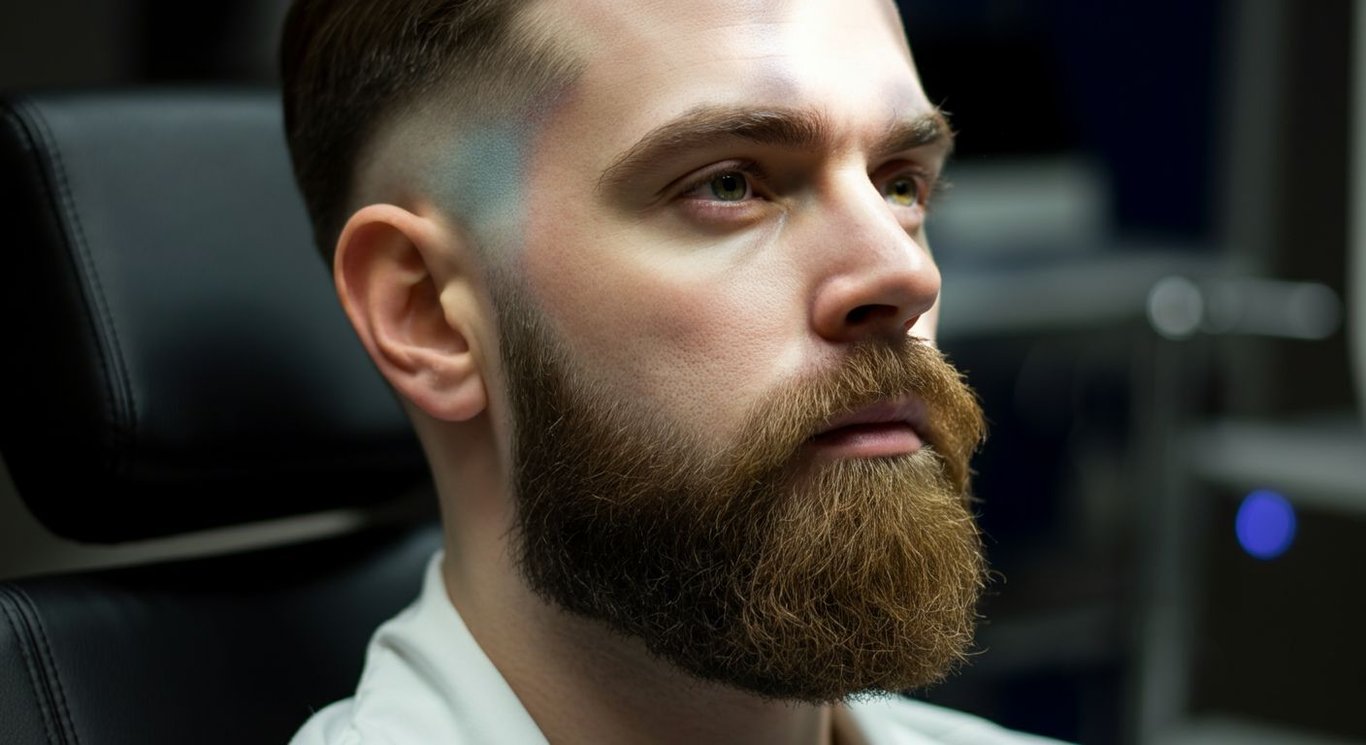
The Follicular Unit Extraction (FUE) technique represents a significant advancement in facial hair transplant, providing enhanced precision and a more natural-looking outcome. Unlike older methods, FUE involves the individual extraction of hair follicles, which minimizes scarring and maximizes the control over hair placement. This is incredibly beneficial in replicating the natural patterns of beard growth. The precision of FUE allows surgeons to carefully select and position each follicle, ensuring that the transplanted hair integrates seamlessly with existing facial hair. Patients benefit from a fuller, more uniform beard that enhances their overall appearance.
Advantages of FUE Technique
- Minimal Scarring: FUE leaves no linear scars, making it virtually undetectable.
- High Precision: Follicles are placed at optimal angles and directions for a natural appearance.
- Faster Recovery: Patients typically experience a quicker recovery compared to traditional methods.
These advantages make FUE a preferred choice for individuals seeking high-quality beard restoration with discreet and natural results.
The Science Behind Achieving Natural-Looking Beard Transplants
Achieving a natural-looking beard post-transplant relies heavily on the scientific understanding of hair growth and distribution. The FUE technique plays a vital role, allowing for meticulous control over follicle placement. Surgeons consider the natural hair flow and density variations across different areas of the beard. This scientific approach ensures that the transplanted hair blends seamlessly, creating a natural and authentic look. The careful selection of donor hair, along with precise implantation techniques, enhances the overall aesthetic of the beard. estethica employs leading-edge technology and experienced surgeons to deliver unparalleled results in beard transplants.
Key Steps for Optimal Beard Transplant Outcomes
- Detailed Consultation: Thorough assessment of facial hair patterns and patient expectations.
- Strategic Graft Placement: Careful implantation of follicles to mimic natural hair growth.
- Post-Transplant Care: Comprehensive aftercare instructions to promote optimal healing and hair growth.
Adhering to these steps helps ensure that the final result is a natural, full, and aesthetically pleasing beard.
Beard Transplant Before and After: What to Expect on Your Journey
Navigating the Beard Transplant Process: Expectations and Outcomes
Understanding the beard transplant timeline helps manage expectations. The initial step involves a detailed consultation where estethica surgeons assess facial hair goals and discuss the FUE technique. Post-transplant, some patients experience mild redness, which generally subsides within a week. Around 2-3 weeks post-procedure, transplanted hairs may shed—a normal part of the hair growth cycle. New hair growth typically begins in 3-4 months, with significant beard density improving over the following months. Documenting progress through before and after photos can serve as a motivational tool, visibly showcasing the transformation achieved.
Key Phases in the Beard Transplant Journey
- Initial Consultation: Detailed assessment and planning to align expectations and procedure specifics.
- Early Recovery: Managing initial swelling and redness post-transplant with proper aftercare.
- Long-Term Growth: Gradual hair regrowth and density improvement over several months post-procedure.
Following these phases ensures a well-managed and successful beard transplant experience.
Visual Evidence: The Power of Before and After Photos
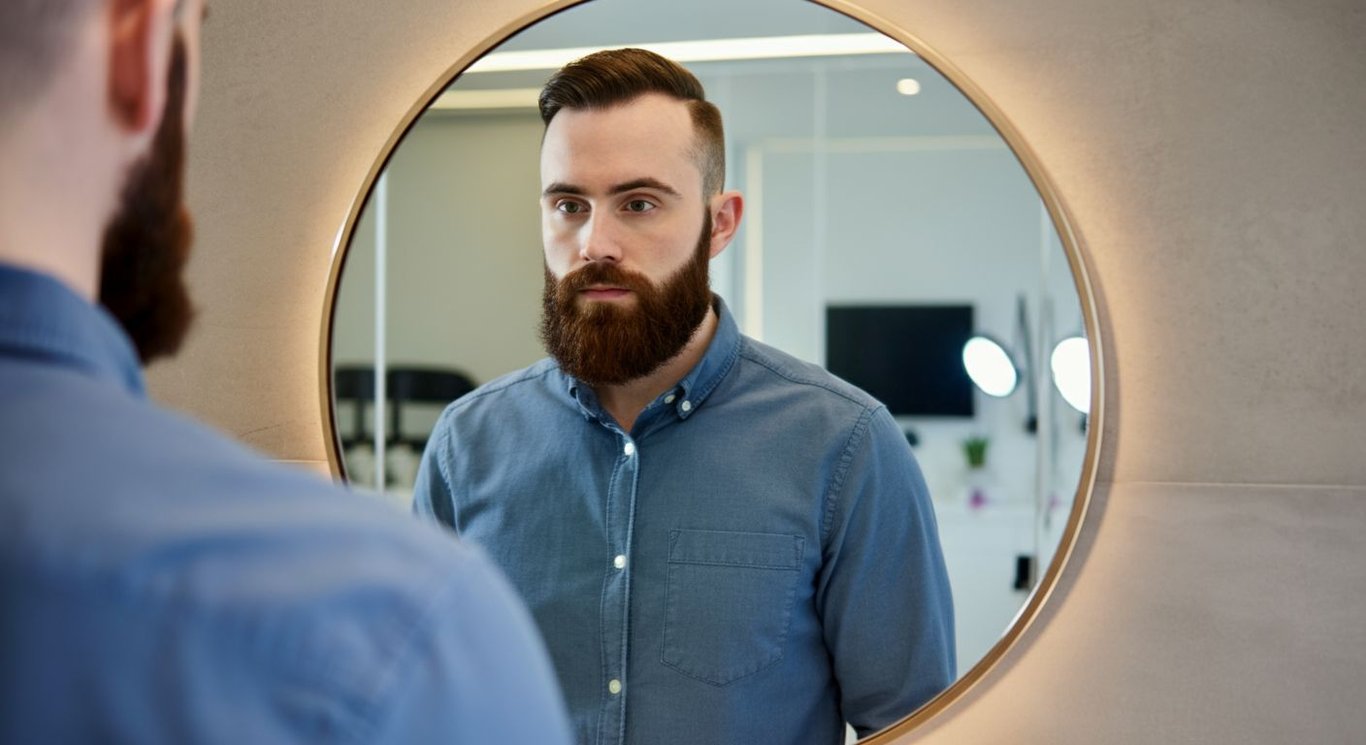
Before and after photos play a critical role in understanding the impact of a beard transplant. These images provide a tangible demonstration of potential aesthetic improvements. They showcase transformations in beard density, shape, and overall facial harmony. Prospective patients often find these visuals encouraging, as they provide realistic examples of what can be achieved. These photos also serve as a valuable tool for surgeons to document their work and refine their techniques. Monitoring progress through photographic evidence helps maintain clarity and shared expectations throughout the transplant process.
Benefits of Documenting Beard Transplant Transformations
- Realistic Expectations: Visuals help patients understand potential outcomes and manage expectations.
- Progress Tracking: Photos document the gradual changes in beard density and growth over time.
- Surgeon Evaluation: Images allow surgeons to assess and refine their techniques for optimal results.
Before and after photos are invaluable in conveying the real impact of beard restoration.
FUE Technique Delivers Natural-Looking Beard Restoration with Minimal Scarring at estethica
Comprehensive Aftercare Ensures Optimal Follicle Survival and Natural Beard Growth
Frequently Asked Questions
What is a beard transplant and how does it enhance facial hair growth?
How do I know if I am a suitable candidate for beard restoration?
What can I expect during the recovery period after a beard transplant?
How does Follicular Unit Extraction (FUE) benefit a facial hair transplant?
Achieve your aesthetic goals with estethica's expert team and advanced techniques.
📞 Book Your Free Consultation!