

Explore your options in facial hair transplant to achieve a fuller, natural-looking beard.
Have you always dreamed of sporting a fuller beard that perfectly complements your style? With the advancement in facial hair transplantation, many individuals are now turning their dream into reality. This comprehensive guide will walk you through the intricate world of beard transplants, helping you unlock the potential of a fuller, more defined facial hair appearance. We'll explore the various options available for facial hair implants, detail what you can expect before and after a beard transplant, and delve into the permanence and natural appearance of these procedures. Join us as we navigate the journey to achieving your dream beard.
Facial Hair Implants: Exploring Your Options for a Fuller Beard
Understanding Facial Hair Transplant Techniques
Facial hair transplantation is an increasingly popular procedure for those seeking to enhance their beard density or cover patchy areas. The two main techniques used in facial hair implants are Follicular Unit Extraction (FUE) and Direct Hair Implantation (DHI). FUE involves harvesting hair follicles individually from a donor area, typically the back of the scalp, and implanting them into the beard area. This method is renowned for minimal scarring and faster recovery times. DHI, on the other hand, utilizes a specialized tool that simultaneously extracts and implants follicles, allowing for precise and dense placement. Both techniques aim to provide a natural-looking result with minimal discomfort.
When considering a beard transplant, it's crucial to consult with a qualified specialist to determine the best approach tailored to your unique facial structure and hair type. Clinics like estethica offer these advanced technologies, ensuring the best outcomes for their clients. The choice of technique can affect the overall success of the transplant, as well as the appearance and longevity of the results. Consulting with experts at estethica can provide insights into the optimal method for achieving a natural-looking and dense beard through facial hair implants.
- Follicular Unit Extraction (FUE): Involves individual follicle extraction for minimal scarring.
- Direct Hair Implantation (DHI): Uses a specialized tool for simultaneous extraction and implantation, ensuring precision.
- Natural-Looking Results: Both techniques aim to provide results that blend seamlessly with existing facial hair.
Factors Influencing the Choice of Technique
The selection between FUE and DHI for a facial hair transplant depends on several factors. These include the patient's hair type, the extent of the area requiring coverage, and the desired density. FUE is often preferred for its minimal invasiveness and quicker recovery, making it suitable for those seeking a less intrusive option. DHI, with its precision, can be ideal for achieving a denser, more defined beard line. estethica's specialists consider these factors to recommend the most appropriate technique, ensuring optimal results and patient satisfaction. The goal is to provide a beard restoration solution that meets individual needs and expectations, enhancing both appearance and confidence.
- Hair Type: Different hair types may respond better to specific techniques.
- Coverage Area: The extent of the area needing coverage influences the choice.
- Desired Density: Achieving the desired beard density is a key consideration.
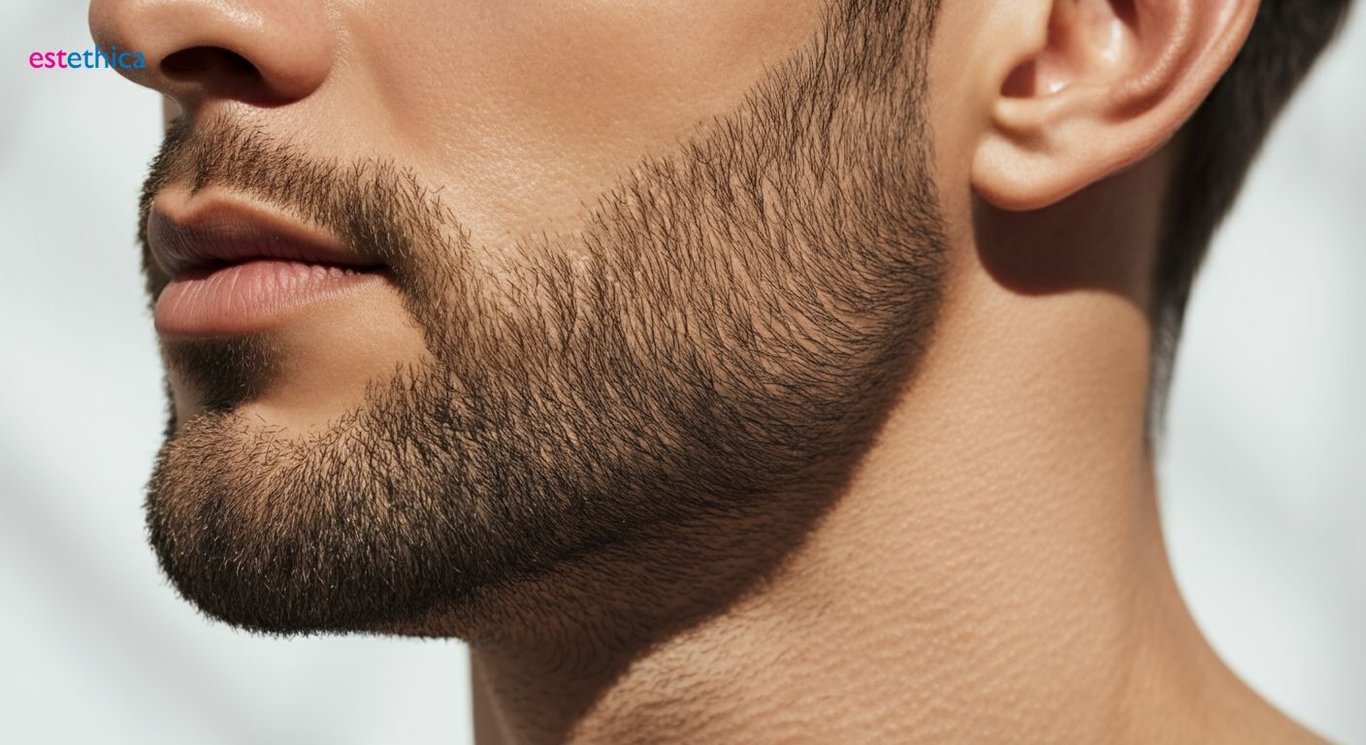
Beard Transplant Before and After: What to Expect on Your Journey
Navigating the Beard Transplant Process
The journey of a beard transplant involves a structured process that begins with an in-depth consultation. This initial step is essential for assessing the patient's facial hair goals and determining the feasibility of the transplant. During the consultation, specialists examine the donor area, typically the scalp, to evaluate the availability of hair follicles. They also analyze the recipient area, the beard region, to plan the density and pattern of the new beard. This thorough assessment ensures that the transplant aligns with the patient's expectations and facial features.
Following the consultation, preparation for the transplant involves avoiding certain substances that can affect blood flow and healing. On the day of the procedure, local anesthesia ensures a pain-free experience. The duration of the transplant varies depending on the extent of the area being treated, but patients can typically expect to spend several hours at the clinic. Post-operative care is crucial for a successful outcome. Clinics like estethica provide detailed instructions on how to care for the transplanted area, including gentle cleaning and avoiding strenuous activities.
- Initial Consultation: Assessment of facial hair goals and donor area evaluation.
- Preparation: Avoiding substances that can affect blood flow and healing.
- Post-Operative Care: Following detailed instructions for cleaning and care.
Understanding the Recovery Timeline and Expected Results
After a beard transplant, patients should anticipate a recovery period that includes some initial swelling and redness. These effects usually diminish within a few days, revealing the newly transplanted hairs. It’s normal for these hairs to shed within the first month; this is a natural part of the hair growth cycle and makes way for new, permanent hair growth. Patients often see the first signs of new growth within three to four months, with complete results becoming visible in six to twelve months. The final outcome is a fuller, more defined beard that enhances facial aesthetics.
Clinics like estethica emphasize the importance of adhering to post-operative guidelines to ensure optimal results. These guidelines include avoiding direct sunlight, refraining from shaving for a specified period, and using prescribed medications to prevent infection. The success of a beard transplant not only depends on the surgical procedure but also on the patient's commitment to following these aftercare instructions. By understanding the recovery timeline and adhering to the recommended care, patients can achieve a natural-looking and satisfying beard transformation.
- Initial Shedding: Expect transplanted hairs to shed within the first month.
- New Growth: First signs of new hair growth appear within three to four months.
- Complete Results: Final, visible results achieved in six to twelve months.
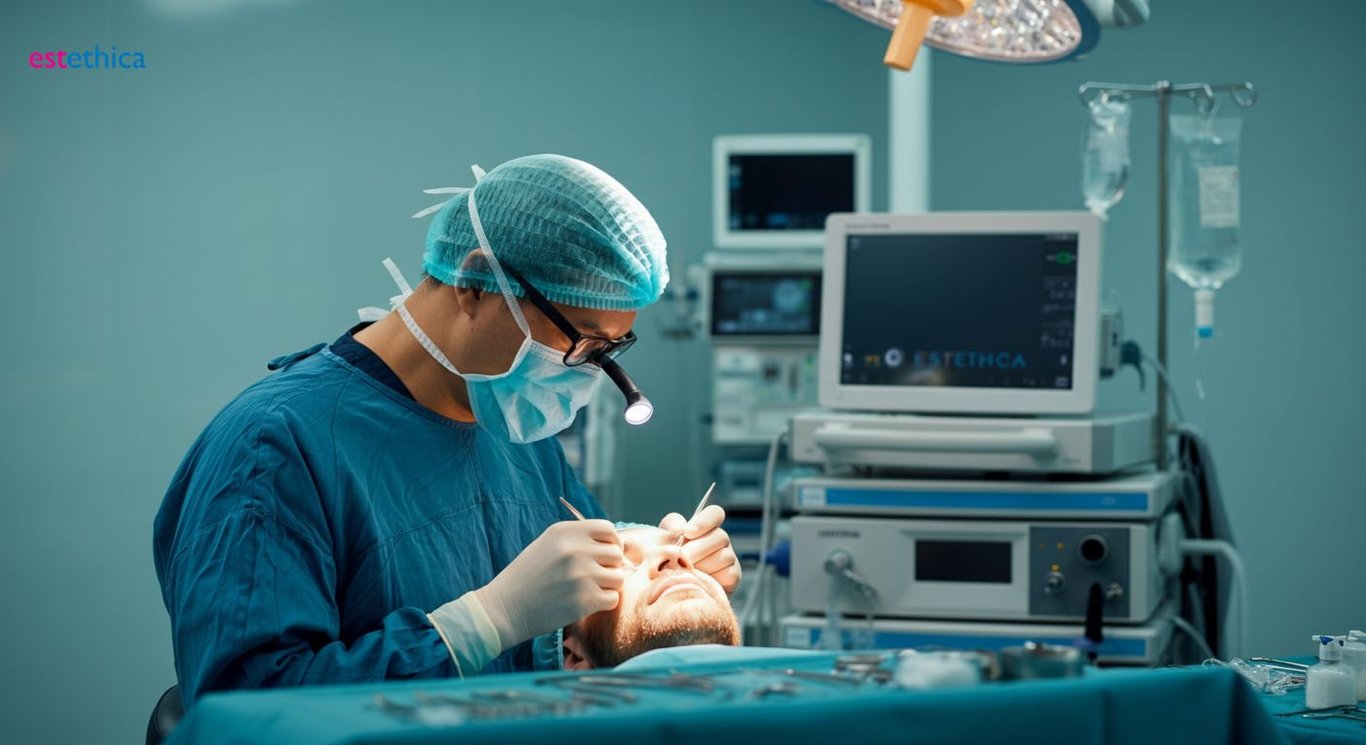
Is a Beard Transplant Permanent? Understanding Long-Term Results
The Science Behind Permanent Hair Grafting
Beard transplants offer a lasting solution for individuals seeking to enhance their facial hair. The procedure involves transplanting hair follicles from a donor area, usually the back of the scalp, to the beard area. These donor follicles are genetically predisposed to resist balding, ensuring that the transplanted hair maintains its growth characteristics over time. This inherent resilience makes the results of a beard transplant permanent, allowing individuals to enjoy a fuller, more defined beard indefinitely. Clinics like estethica leverage advanced techniques to ensure the successful integration and long-term viability of the transplanted follicles.
Once the transplanted hair establishes itself and begins to grow, it behaves just like natural facial hair. It can be styled, trimmed, and shaved according to personal preference. The permanence of the transplant means that ongoing maintenance is minimal, primarily involving regular grooming to keep the beard looking its best. The success of the transplant is influenced by factors such as the surgeon's expertise and the patient's adherence to post-operative care instructions. Following these guidelines ensures optimal results and long-term satisfaction with the beard restoration.
- Genetic Resilience: Transplanted follicles resist balding.
- Natural Behavior: Hair behaves like natural facial hair.
- Minimal Maintenance: Regular grooming keeps the beard looking its best.
Factors Influencing the Longevity of a Beard Transplant
The longevity of a beard transplant is influenced by several key factors. Firstly, the skill and experience of the surgeon play a crucial role in ensuring the successful transplantation and integration of hair follicles. Secondly, the patient's adherence to post-operative care instructions is essential for promoting healing and preventing complications. This includes avoiding strenuous activities, protecting the transplanted area from direct sunlight, and following any prescribed medication regimens. estethica emphasizes the importance of comprehensive post-operative care to maximize the long-term success of the beard transplant.
Additionally, the quality of the donor hair and the technique used during the transplant can impact the overall outcome. Techniques like FUE and DHI, when performed by skilled professionals, can yield natural-looking and long-lasting results. Regular follow-up appointments with the clinic can also help monitor the growth and health of the transplanted hair, ensuring any potential issues are addressed promptly. By considering these factors, individuals can ensure that their beard transplant provides a permanent and satisfying enhancement to their facial appearance.
- Surgeon's Expertise: Skill ensures successful transplantation.
- Post-Operative Care: Adherence promotes healing and prevents complications.
- Donor Hair Quality: Healthy follicles contribute to long-lasting results.
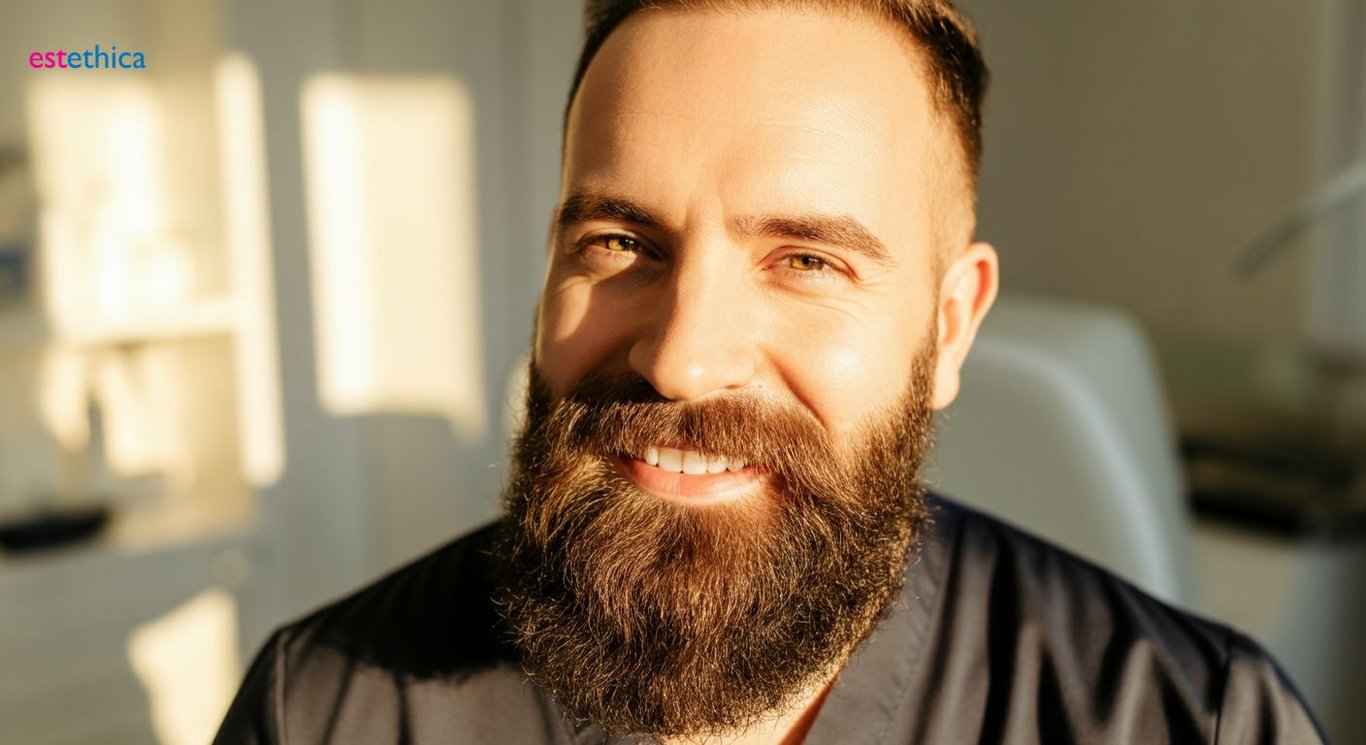
Beard Restoration: Techniques for a Natural-Looking, Thicker Beard
Achieving Natural Density in Beard Transplants
Achieving a thicker, more natural-looking beard through restoration requires meticulous technique and the right expertise. In a standard beard restoration procedure, the precision of follicle placement is critical. Each follicle is strategically implanted to mimic the direction and density of natural beard growth, ensuring a seamless blend with existing hair. The angle and depth of each implanted follicle are carefully considered to replicate the natural flow and texture of a beard. This attention to detail is essential for creating a result that looks both full and authentic.
Clinics such as estethica prioritize a personalized approach, understanding that each patient has unique facial features and desired outcomes. During the consultation, the surgeon assesses the patient's facial structure, hair type, and growth patterns to develop a tailored treatment plan. This ensures that the final result complements the individual's appearance and meets their specific goals. The use of advanced technology, combined with the surgeon's artistic skill, allows for precise and natural-looking beard restoration.
- Precise Follicle Placement: Mimics natural beard growth direction and density.
- Personalized Approach: Tailored treatment plans based on individual facial features.
- Advanced Technology: Ensures precise and natural-looking results.
Techniques for a Natural-Looking Facial Hair Transplant
Restoration techniques like FUE and DHI used by reputable clinics such as estethica focus on achieving density and a natural look. It's essential to choose a clinic known for its high success rates and satisfied clientele. Patients are encouraged to view beard transplant before and after photographs to gauge the quality of the clinic’s work. The expertise of the medical team, combined with the use of advanced technology, plays a crucial role in the overall aesthetic outcome. The clinic's commitment to excellence is reflected in its dedication to providing patients with the best possible results.
Clinics that specialize in facial hair implants often employ additional techniques to enhance the natural appearance of the transplanted beard. These may include feathering the hairline to create a softer, less defined edge, and varying the density of follicle placement to mimic natural growth patterns. By paying close attention to these details, surgeons can create a beard that looks completely natural and seamlessly integrates with the patient's existing facial hair. The goal is to provide a beard that not only enhances the patient's appearance but also boosts their confidence and self-esteem.
- Feathering the Hairline: Creates a softer, less defined edge.
- Varying Density: Mimics natural growth patterns for a realistic look.
- Expert Medical Team: Ensures high success rates and patient satisfaction.
Precision Follicle Placement: Achieving Natural Density in Beard Transplants
estethica employs meticulous follicle placement techniques in beard restoration to mimic the natural direction and density of beard growth. The angle and depth of each implanted follicle are carefully considered to replicate the natural flow and texture, ensuring a seamless blend with existing hair.
estethica's surgeons are highly skilled in facial hair restoration, with extensive experience in both Follicular Unit Extraction (FUE) and Direct Hair Implantation (DHI). They assess each patient's facial structure, hair type, and growth patterns to develop tailored treatment plans, ensuring natural-looking results that complement individual appearances.
Structured Beard Transplant Process: Ensuring Optimal Results Through Detailed Care
estethica follows a structured beard transplant process, starting with an in-depth consultation to assess patient goals and donor area availability. Post-operative care is crucial, with detailed instructions provided to ensure proper healing and prevent complications, contributing to successful and satisfying beard transformations.
Patients at estethica experience satisfying beard transformations, achieving fuller and more defined facial hair that enhances their appearance and boosts confidence. The clinic's dedication to excellence is reflected in its commitment to providing patients with the best possible results.
Frequently Asked Questions
What is a beard transplant and who is it for?
What are the main techniques used in a facial hair transplant?
What can I expect during the beard transplant before and after process?
Is a beard transplant permanent, and how long do the results last?
How is a natural-looking, thicker beard achieved through beard restoration?
Ready to discover your path to a healthier, more beautiful you?
📞 Book Your Free Consultation!