

Transform your appearance with expert beard restoration techniques and regain confidence with every beard detail perfectly in place.
Discover the world of beard restoration and learn how to achieve your ideal look with modern techniques. The quest for a fuller, more defined beard is now possible thanks to innovative facial hair transplant methods. Let's explore everything from the science behind beard transplants to the expected results and recovery processes.
The Art and Science of Modern Beard Transplants
Advanced Techniques in Beard Restoration
Modern beard transplants represent a significant advancement in cosmetic procedures, providing effective solutions for men experiencing sparse or uneven facial hair. These techniques, primarily Follicular Unit Extraction (FUE), ensure precision and natural-looking results. FUE involves extracting individual hair follicles from donor areas, typically the scalp, and implanting them into the beard area. The skill of the surgeon is crucial in achieving the desired density and natural growth pattern, making it an art as much as a science. Beard restoration is also a choice for those seeking to reconstruct facial hair lost due to scars or previous surgeries.
The impact of a successful beard transplant can be transformative, boosting self-confidence and aligning one's appearance with their personal identity. This transformation is not just about aesthetics; it's about the psychological benefit of feeling complete and self-assured. Consider a man who, after years of struggling with patchy facial hair, achieves a full, robust beard that complements his features and enhances his overall look.
Key Factors for a Successful Beard Transplant
- Donor Hair Selection: Choosing healthy, thick hair follicles from areas with dense growth is essential for achieving a natural, full beard.
- Artistic Placement: Strategic placement of the transplanted follicles, mimicking natural beard growth patterns, is critical for a realistic appearance.
- Post-Operative Care: Following the surgeon's instructions for post-operative care ensures proper healing and optimal graft survival.
The success of a beard transplant often depends on meticulous attention to detail and a deep understanding of facial aesthetics. For example, the angle and direction of each implanted follicle must be carefully considered to match the natural flow of existing facial hair. Proper technique ensures that the new beard blends seamlessly with the individual's overall appearance. Furthermore, the beard transplant recovery process includes careful management of the newly transplanted area to prevent infection and promote healthy hair growth.
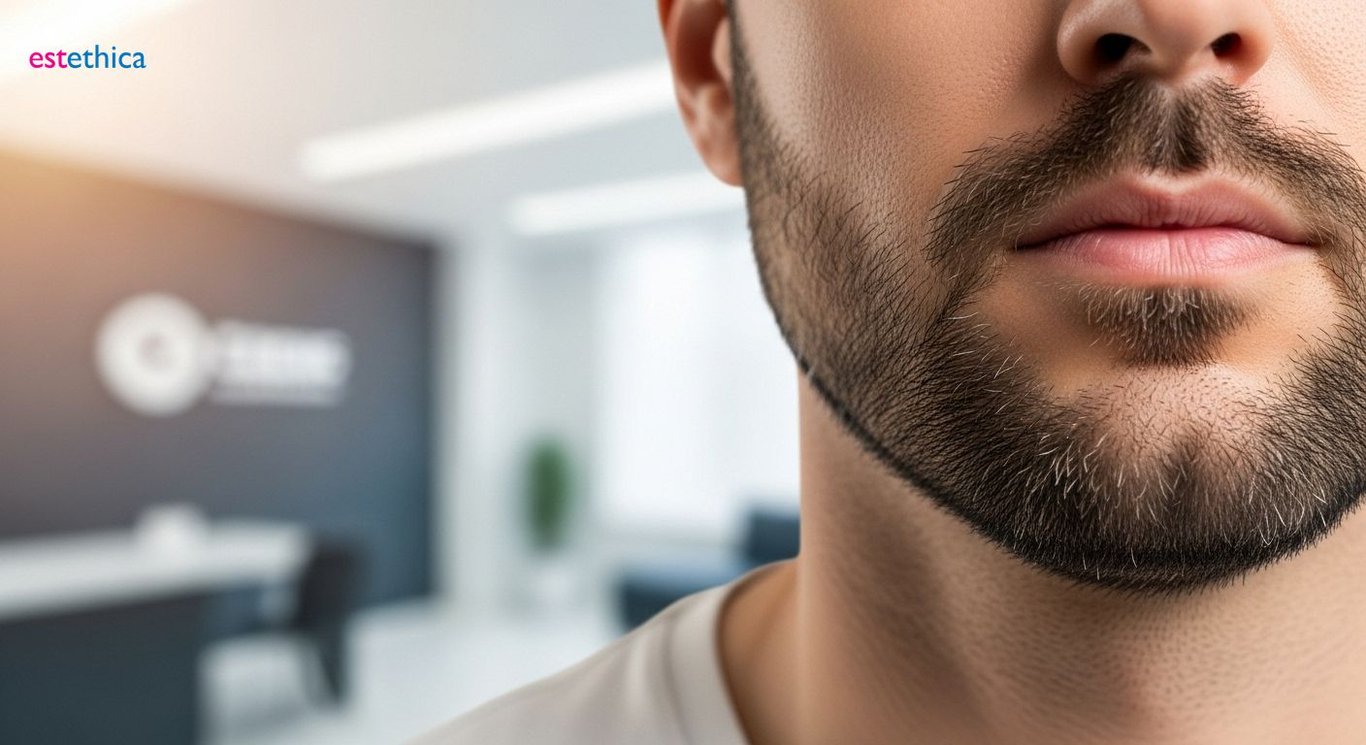
Beard Transplant Before & After: Witnessing Transformation
Understanding the Transformation Timeline
Witnessing the transformation through beard transplant before and after photos provides a clear understanding of what to expect. The journey from a patchy or thin beard to a full, well-defined one is gradual, with noticeable changes occurring over several months. Initially, there might be some redness and swelling, but as the healing process progresses, the transplanted hair begins to grow. The visual impact of these transformations can be quite striking, demonstrating the potential of modern beard restoration techniques. Patients often report increased satisfaction with their appearance and a boost in their self-esteem after seeing the final results.
The results of a facial hair transplant can significantly enhance one's appearance, providing a denser and more uniform beard. Proper aftercare is crucial during this period to ensure optimal hair growth and prevent complications. Potential patients should be informed on what to expect as the hair begins to fill in, contributing to a fuller and more aesthetically pleasing beard. For instance, those who start with a very sparse beard can achieve a complete and natural-looking beard.
Factors Influencing the Outcome
- Hair Graft Quality: The health and thickness of the donor hair significantly impact the final density and appearance of the beard.
- Surgical Precision: Accurate placement of hair grafts, mimicking natural growth patterns, ensures a realistic and fuller look.
- Individual Healing Response: Each person's body heals differently, affecting the speed and success of hair growth in the transplanted area.
Is a Beard Transplant Permanent? Understanding Long-Term Results
Factors Determining the Longevity of a Beard Transplant
The permanence of a beard transplant is a common concern for those considering the procedure. Generally, a well-executed beard transplant offers lasting results because the transplanted hair follicles are typically taken from areas of the scalp that are genetically resistant to balding. These follicles retain their characteristics even when transplanted to the face, ensuring long-term growth. However, several factors can influence the success and longevity of the transplant, including the individual's overall health, the surgeon's expertise, and adherence to post-operative care instructions. For example, a patient with a healthy lifestyle and diligent care routine is more likely to experience sustained results compared to someone who neglects these aspects.
The transplanted hair behaves much like natural facial hair, meaning it can be styled, trimmed, and maintained as desired. Understanding this aspect helps manage expectations and appreciate the long-term benefits of the beard restoration. While the transplanted hair is permanent, its appearance can be affected by factors such as aging and hormonal changes. Despite these potential influences, the overall outcome remains significantly improved. For instance, opting for a consultation at estethica can provide personalized insights into post-transplant maintenance and ensure sustained satisfaction with your new beard.
Essential Steps for Maintaining Your Beard Transplant
- Follow Post-Op Instructions: Adhering to the surgeon's guidelines for cleaning and care is critical during the initial healing phase.
- Maintain a Healthy Lifestyle: Proper nutrition and avoiding smoking can promote better hair growth and overall health.
- Regular Grooming: Regular trimming and grooming help maintain the desired shape and appearance of the transplanted beard.

Follicular Unit Extraction: The Future of Beard Hair Implantation
Advantages of FUE in Facial Hair Transplants
Follicular Unit Extraction (FUE) stands out as a cutting-edge technique and the future of beard restoration, especially appreciated for its minimally invasive nature and natural-looking results. Unlike older methods that involve removing a strip of skin, FUE extracts individual hair follicles directly from the donor area, typically the back of the scalp. This precision reduces scarring and allows for a quicker recovery. Its use is increasingly favored in advanced facial hair transplant procedures, including creating or enhancing beards, mustaches, and sideburns. FUE provides flexibility in follicle placement, allowing surgeons to craft a beard that perfectly matches the patient's desired density and shape.
The FUE method is particularly beneficial for achieving a natural look with minimal downtime. The absence of a linear scar means that patients can wear their hair short without any visible signs of surgery. Consider the case of someone who desires a subtle enhancement to their beard; FUE allows for the strategic placement of hair grafts to fill in patchy areas, creating a seamless and natural appearance. Another advantage is the reduced discomfort during and after the procedure, making it a preferred choice for many. This includes ensuring that each extracted follicle is healthy and properly prepared before implantation, maximizing the chances of successful growth. In fact, FUE has become synonymous with precision and artistry in beard transplant, offering a blend of science and skill that delivers exceptional results.
Key Benefits of FUE for Beard Implantation
- Minimal Scarring: FUE leaves tiny, virtually invisible scars, allowing for greater freedom in hairstyles post-transplant.
- Natural Results: Precise placement and individual follicle extraction ensure a natural-looking beard that complements facial features.
- Faster Recovery: The minimally invasive nature of FUE translates to a quicker and more comfortable recovery period compared to traditional methods.
Navigating the Beard Transplant Recovery Process
Immediate Post-Op Care for Beard Transplants
The initial days after a beard transplant are crucial for ensuring successful graft integration and minimizing potential complications. Immediately following the procedure, some redness and swelling in the treated area are normal. Patients are advised to apply cold compresses gently to reduce swelling and discomfort. It is also essential to keep the transplanted area clean to prevent infection. Mild, fragrance-free cleansers are recommended for washing the face, being careful not to scrub or irritate the new grafts. Furthermore, patients should avoid touching the transplanted area to prevent dislodging the grafts and compromising the outcome. Following these immediate post-op care instructions diligently is critical for a smooth and successful recovery.
During this period, it's also important to avoid strenuous activities that could increase blood pressure and potentially affect the newly transplanted follicles. Healing is influenced by how well these guidelines are followed. For instance, applying a prescribed soothing balm can aid in reducing irritation and promoting faster healing. Paying close attention to the clinic's specific aftercare instructions is essential for maximizing the chances of optimal hair growth and achieving the desired density. One example of the importance of diligent care is that infections, if allowed to occur, can permanently inhibit growth of a facial hair transplant and a less than ideal appearance will be the result.
Long-Term Care and Ensuring the Best Results
- Gentle Skincare: Use mild, non-irritating products to cleanse and moisturize the skin, avoiding harsh chemicals that can damage hair follicles.
- Healthy Diet: Maintain a balanced diet rich in vitamins and minerals to support overall hair health and promote robust growth.
- Regular Check-ups: Attend follow-up appointments to monitor the progress of the transplant and address any concerns promptly.
Choosing the Best Beard Transplant Clinic: What to Consider
Evaluating Clinic Expertise and Technology
When selecting a clinic for a beard transplant, it's crucial to assess the expertise of the surgeons and the technologies they employ. Clinics with experienced surgeons who specialize in facial hair restoration tend to deliver superior results. Look for certifications, reviews, and before-and-after photos to gauge their proficiency. The technology used, such as advanced Follicular Unit Extraction (FUE) techniques, also plays a significant role in the precision and outcome of the transplant. Selecting a clinic that invests in modern equipment and stays updated with the latest advancements can lead to more natural-looking and successful beard restoration.
Ensure the clinic provides detailed consultations to assess your unique facial structure and hair characteristics, enabling them to tailor a plan that meets your aesthetic goals. Clinics that offer a comprehensive evaluation, including discussions about graft placement and density, demonstrate a commitment to personalized care. Ultimately, choosing a reputable clinic with skilled professionals and advanced technology enhances the likelihood of achieving a natural-looking and satisfying beard transplant.
Essential Considerations Before Choosing a Clinic
- Surgeon Qualifications: Verify the surgeon's credentials and experience in performing beard transplants.
- Technology and Techniques: Inquire about the specific methods and tools used during the procedure, such as FUE or DHI.
- Clinic Reputation: Research the clinic's reviews, testimonials, and overall standing in the industry to determine its reliability.
Transform Your Look: The Ultimate Beard Transplant Guide
FUE Hair Implantation: Minimally Invasive Beard Restoration for Natural-Looking Results
estethica utilizes Follicular Unit Extraction (FUE) for beard transplants, a minimally invasive technique that extracts individual hair follicles directly from the donor area. Ensuring precision and quicker recovery, FUE allows for flexible follicle placement, crafting a beard that perfectly matches the patient's desired density and shape.
estethica's surgeons specialize in facial hair restoration, staying updated with the latest advancements in FUE techniques. Detailed consultations assess unique facial structures and hair characteristics to tailor a personalized plan for each patient.
Meticulous Post-Operative Care: Ensuring Successful Graft Integration for Optimal Beard Growth
estethica emphasizes diligent post-op care, providing detailed instructions for cleaning and maintenance during the initial healing phase. The clinic advocates for gentle skincare, a healthy diet, and regular check-ups to monitor progress and address any concerns promptly, maximizing the chances of optimal hair growth.
Patients at estethica experience increased satisfaction with their appearance and a boost in self-esteem after achieving a full, well-defined beard. The clinic's holistic approach, from consultation to aftercare, ensures sustained satisfaction with the new beard.
Frequently Asked Questions
What is a beard transplant and how does it work?
How permanent is a beard transplant?
What does the beard transplant recovery process entail?
What should I consider when choosing the best beard transplant clinic?
Ready to discover your healthiest, most beautiful self with estethica's expert guidance?
📞 Call Now for Your Free Consultation!