

Achieve the facial hair you desire with beard implants—a guide to understanding transplants, techniques, and aftercare.
A full, stylish beard can enhance facial features and boost confidence. However, not everyone is genetically gifted with dense facial hair. Luckily, beard implants provide a viable solution for those seeking to improve their facial hair richness and style. This guide delves into the nuances of beard implants, helping you decide if this procedure is right for you while providing insight into the techniques and aftercare involved.
Decoding the Beard Transplant: Is it Right for You?
Understanding the Beard Transplant Procedure
A beard transplant, often considered by those seeking enhanced facial aesthetics, involves a meticulous process of relocating hair follicles. The procedure focuses on extracting healthy hair follicles, typically from the scalp, and carefully implanting them into the areas of the face where beard growth is desired. This technique is particularly beneficial for individuals with sparse or uneven beard growth, offering a solution to achieve a fuller, more uniform beard. The success of a beard transplant relies heavily on the precision of the implantation and the health of the donor follicles. Hair restoration for beard is a transformative option for those looking to redefine their appearance.
- Follicular Unit Extraction (FUE): A method where individual hair follicles are extracted and transplanted.
- Direct Hair Implantation (DHI): A refined FUE technique using a specialized pen for implantation.
- Recipient Site Preparation: Creating small incisions in the beard area to receive the transplanted follicles.
The process requires a skilled surgeon who understands facial hair patterns to ensure a natural look.
Assessing Your Candidacy for a Beard Transplant
Determining whether a beard transplant is suitable involves several key considerations. Ideal candidates often include men with patchy or thin facial hair due to genetic factors, previous surgeries, or scarring. A thorough consultation with a qualified surgeon is essential to evaluate hair density in the donor area, typically the scalp, and to assess overall health. Patients should also have realistic expectations regarding the outcome. The consultation process will help determine the feasibility of the transplant and the potential for achieving the desired beard density. Exploring beard implants can be a viable option, but understanding candidacy is crucial for a successful outcome. The journey towards a fuller beard begins with a comprehensive assessment.
- Donor Hair Evaluation: Assessing the quality and quantity of hair in the donor area.
- Facial Structure Analysis: Considering the shape and contours of the face to ensure a natural-looking beard.
- Health Assessment: Ensuring the patient is in good health and free from conditions that could impede healing.
A successful beard transplant not only enhances appearance but also boosts confidence.

Follicular Unit Extraction (FUE) Beard: The Gold Standard Technique
Advantages of FUE in Beard Transplants
Follicular Unit Extraction (FUE) is now the gold standard in beard transplantation, celebrated for its precision and minimally invasive nature. This technique involves extracting individual hair follicles from a donor area, usually the back of the head, using specialized micro-punches. These follicles are then carefully implanted into the recipient areas on the face, following the natural direction of beard growth. FUE minimizes scarring, reduces recovery time, and provides a natural-looking result. Selecting a clinic with expertise in FUE beard transplants is crucial to achieving the best possible outcome. The precision of FUE allows for a customized approach, ensuring the transplanted beard complements the individual's facial structure. A successful FUE beard transplant can significantly enhance facial aesthetics and boost self-confidence.
- Minimal Scarring: FUE leaves tiny, almost invisible scars compared to older strip methods.
- Natural Results: The precise placement of follicles ensures a natural beard growth pattern.
- Shorter Recovery: Patients typically experience a quicker recovery with less discomfort.
The benefits of FUE extend beyond aesthetics, offering a comfortable and efficient path to facial hair restoration.
The FUE Procedure: Step-by-Step
The FUE beard transplant procedure involves several carefully executed steps to ensure optimal results. First, the surgeon meticulously extracts individual hair follicles from the donor area, typically the back of the scalp, using a micro-punch tool. Next, these harvested follicles are prepared under magnification to ensure their viability. Finally, the surgeon implants the follicles into the recipient area on the face, carefully matching the angle and direction of existing hair growth. The precision and artistry involved in this process are critical for achieving a natural and aesthetically pleasing beard. Proper post-operative care is essential to ensure the transplanted follicles take root and grow successfully. The FUE technique provides a permanent solution for those seeking to enhance their facial hair.
- Extraction: Follicles are carefully removed to avoid damage.
- Preparation: Follicles are examined and prepared for implantation.
- Implantation: Follicles are placed with precision to match natural growth patterns.
Each step in the FUE procedure is vital for a successful and natural-looking beard transplant.
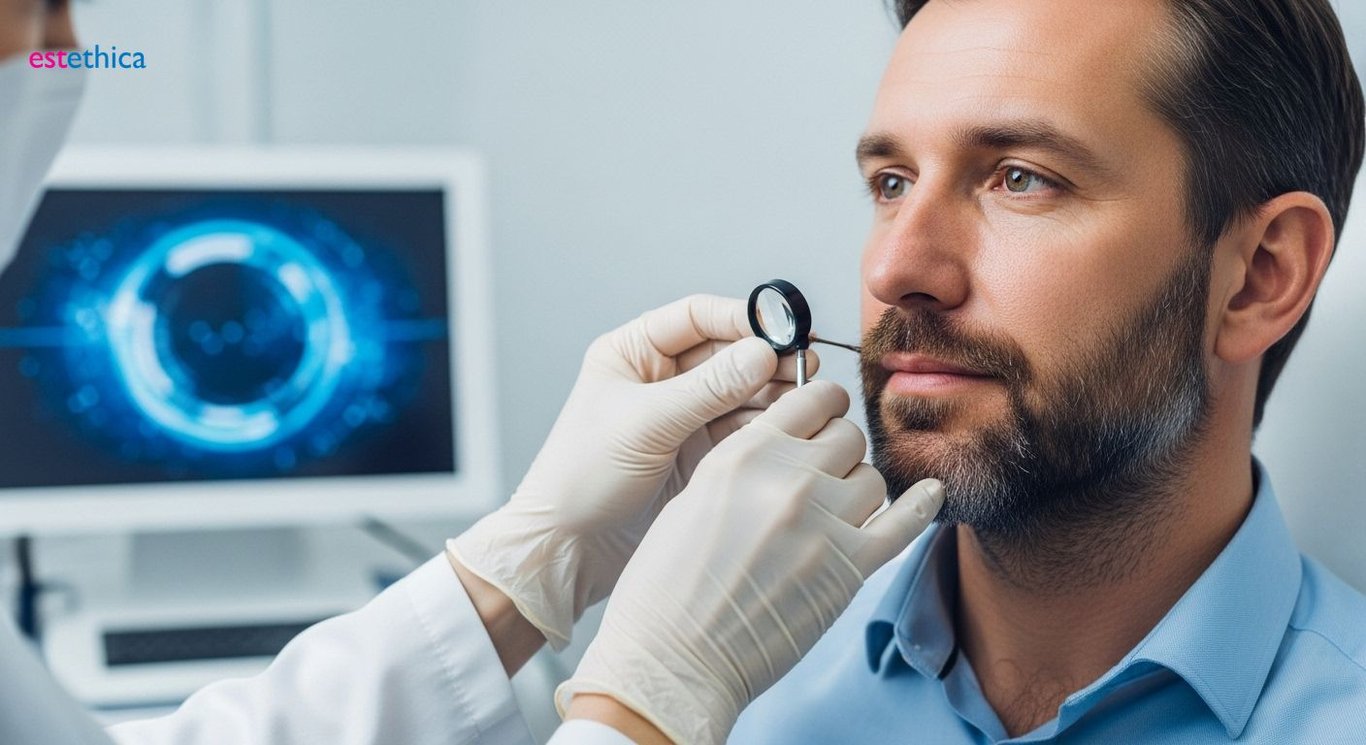
Beard Transplant Before & After: What to Expect on Your Journey
Navigating the Consultation and Initial Expectations
The journey of a beard transplant begins with a comprehensive consultation, where prospective patients meet with surgeons to discuss their goals and evaluate their suitability for the procedure. During this crucial phase, surgeons assess facial hair growth patterns, donor hair availability, and overall health to determine the feasibility of achieving the desired beard density and style. This initial meeting also serves as an opportunity to manage expectations, providing clarity on what can realistically be achieved through a beard transplant. For instance, patients often bring in photos of beard styles they admire, which allows the surgeon to explain how the individual's unique facial structure and hair characteristics will influence the final outcome. This collaborative approach ensures that patients are well-informed and have a clear understanding of the potential results of their beard transplant. The consultation sets the stage for a successful and satisfying transformation.
- Customized Planning: Tailoring the transplant to match individual facial features.
- Realistic Goal Setting: Understanding achievable density and styling options.
- Addressing Concerns: Openly discussing potential risks and recovery expectations.
The Post-Transplant Phase: Growth and Transformation
Following a beard transplant, the post-operative phase is a period of gradual transformation. Initially, the transplanted hairs will shed, which is a normal part of the process. New hair growth typically begins within a few months, with continued improvement over the following year. Patients often track their progress with photos, documenting the changes in density and coverage. During follow-up appointments, surgeons assess the growth and provide guidance on grooming and maintenance. For example, patients are advised on the best products to use to nourish the new beard and how to trim it to achieve their desired style. This ongoing care ensures that the beard not only looks natural but also remains healthy and vibrant. The final result is a testament to the precision of the procedure and the patient's commitment to aftercare, resulting in a fuller, more defined beard.
- Initial Shedding: Understanding that transplanted hairs will fall out before regrowth.
- Gradual Regrowth: Monitoring the progress as new hairs emerge over several months.
- Long-Term Maintenance: Implementing a grooming routine to keep the beard healthy and styled.
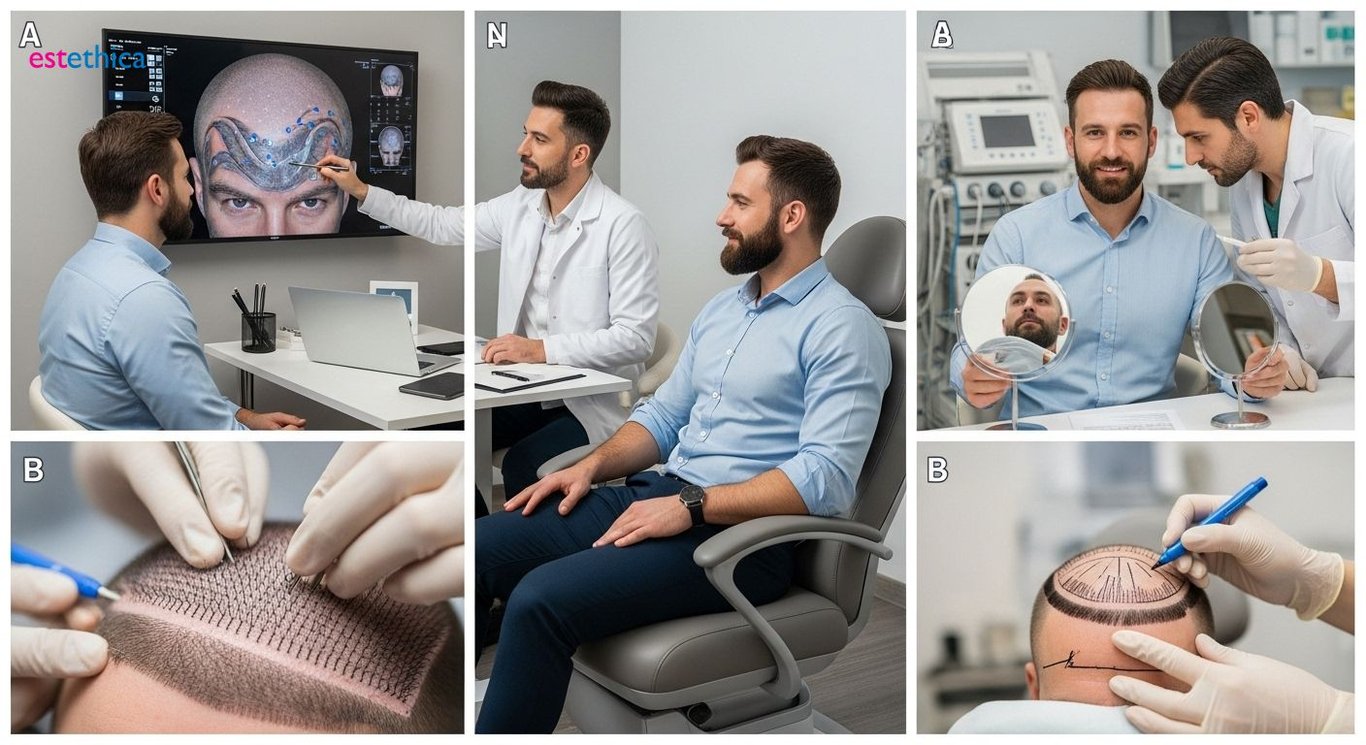
Beyond the Procedure: Essential Beard Transplant Aftercare Tips
Immediate Post-Op Care: Protecting Your Investment
Effective aftercare is paramount to the success of a beard transplant, ensuring the newly implanted follicles take root and thrive. In the immediate post-operative period, patients must adhere to specific guidelines to protect the transplant site. These include avoiding direct washing of the face for at least five days to prevent dislodging the delicate grafts. Sun exposure should be minimized, as UV rays can damage the sensitive skin and impede healing. Refraining from touching or scratching the transplanted area is crucial to prevent infection and ensure the follicles remain undisturbed. For instance, patients are advised to sleep on their back to avoid friction against pillows. Adhering to these initial precautions sets the stage for optimal healing and hair growth, safeguarding the investment made in achieving a fuller beard. The initial days are critical in ensuring the success of the beard implant.
- Gentle Cleansing: Using only recommended cleansers to avoid irritation.
- Sun Protection: Wearing a hat or scarf to shield the transplanted area.
- Avoid Irritants: Steering clear of harsh chemicals and skincare products.
Long-Term Maintenance: Nurturing Growth and Health
As the initial healing progresses, long-term maintenance becomes essential for sustaining the health and growth of the transplanted beard. Maintaining a balanced diet rich in vitamins and minerals supports overall hair health and promotes robust growth. Managing stress levels is also important, as stress can negatively impact hair growth. Incorporating stress-reducing activities, such as yoga or meditation, can be beneficial. Using specialized, mild skincare products designed for sensitive skin helps to keep the area clean and moisturized without causing irritation. For example, applying a gentle, fragrance-free moisturizer can prevent dryness and promote a healthy environment for hair growth. Consistent care and attention ensure that the transplanted beard remains healthy, full, and natural-looking over time. This ongoing commitment enhances the longevity and aesthetic appeal of the beard, making the initial investment worthwhile. The commitment to aftercare ensures the hair restoration for beard is successful.
- Nutrient-Rich Diet: Consuming foods high in vitamins and minerals to support hair health.
- Stress Management: Practicing relaxation techniques to minimize stress-related hair loss.
- Specialized Skincare: Using gentle products to keep the transplanted area clean and moisturized.
Precision FUE Beard Transplants: Ensuring Natural Growth and Minimal Scarring
estethica specializes in Follicular Unit Extraction (FUE) for beard transplants, a technique known for its precision and minimally invasive approach. This involves extracting individual hair follicles and carefully implanting them to match the natural direction of beard growth, resulting in a fuller, more uniform beard.
estethica’s surgeons possess a deep understanding of facial hair patterns, ensuring a natural and aesthetically pleasing outcome. Their expertise allows for customized planning, tailoring each transplant to match individual facial features and achieve the desired beard density and style. The clinic's focus on precision and artistry ensures optimal results for every patient.
Comprehensive Aftercare for Sustained Beard Transplant Success
estethica prioritizes patient care with comprehensive aftercare protocols that ensure the success and longevity of beard transplants. This includes detailed post-operative instructions, gentle cleansing techniques, and the use of specialized skincare products designed for sensitive skin. The clinic also emphasizes the importance of a nutrient-rich diet and stress management to support overall hair health and robust growth.
Patients benefit from estethica's commitment to providing a safe and supportive environment throughout the entire beard transplant journey. This dedication ensures optimal healing, natural-looking results, and sustained satisfaction with their enhanced facial hair.
Frequently Asked Questions
What is a beard implant and how does it work?
What are the benefits of choosing FUE for a beard transplant?
What should I expect during the beard transplant before and after process?
How long does it take to see the final results of a beard implant?
What aftercare is essential for a successful beard implant?
Ready to discover your healthiest, most beautiful self with estethica's expert guidance?
📞 Call Now for a Free Consultation!