


This content provides a comprehensive overview of bariatric surgery, covering what it is, available procedures like gastric bypass and sleeve gastrectomy, eligibility requirements, and post-operative recovery expectations.
Are you considering a significant step towards a healthier life? Bariatric surgery, often referred to as weight loss surgery, offers a powerful solution for individuals struggling with severe obesity. This transformative journey involves various procedures designed to help you achieve sustainable weight loss and improve related health conditions. If you're exploring effective ways to manage your weight, understanding what is bariatric surgery, the different weight loss surgery options available, how to qualify for bariatric surgery, and what to expect during gastric bypass recovery time is crucial. This guide provides essential insights into the world of obesity surgery, helping you make informed decisions about your health and future.Understanding Bariatric Surgery: What is Obesity Surgery?
Bariatric surgery encompasses a range of medical procedures designed to address severe obesity and its significant health complications. These interventions work by modifying the digestive system to limit the amount of food that can be consumed or to reduce nutrient absorption, or often a combination of both mechanisms. The overarching aim of these procedures, frequently referred to as weight loss surgery options, extends beyond mere aesthetic improvement. It is fundamentally about enhancing overall health by managing or resolving serious conditions such as type 2 diabetes, hypertension, obstructive sleep apnea, and various heart diseases, which are strongly associated with excess body weight. When contemplating bariatric surgery, it is crucial to understand that it serves as a powerful tool, but its success is maximized when integrated with sustainable lifestyle changes, including dietary adjustments and increased physical activity. This approach can lead to profound health benefits and a significantly improved quality of life. For individuals struggling with obesity, exploring these weight loss surgery options can be a transformative step on their path to wellness.
The Purpose and Scope of Bariatric Procedures
The decision to undergo bariatric surgery is a substantial one, typically necessitating a thorough evaluation by a multidisciplinary medical team. This ensures that the selected procedure aligns optimally with an individual's specific health profile and personal weight reduction objectives. Understanding how to qualify for bariatric surgery is the first step in this process, involving a comprehensive assessment of medical history, lifestyle, and psychological readiness. The commitment to this journey doesn't end with the operation; it involves ongoing dedication to dietary modifications, regular exercise, and consistent medical follow-up. This holistic approach is paramount for achieving long-term success and sustaining the health improvements realized through these advanced weight loss surgery options. This journey is further detailed in our comprehensive guide, Bariatric Surgery: Your Journey to a Healthier You, which outlines the expectations and support available.
Who is a Candidate for Bariatric Surgery?
Determining eligibility for bariatric procedures involves specific criteria to ensure patient safety and optimal outcomes. Generally, individuals with a high Body Mass Index (BMI), often 40 or above, or a BMI of 35 or above with significant obesity-related health conditions, are considered potential candidates. The evaluation process to understand how to qualify for bariatric surgery also assesses whether non-surgical weight loss methods have been unsuccessful. It's important to recognize that these are not quick fixes, but rather life-altering interventions requiring significant patient commitment to post-operative care and lifestyle changes for lasting results.

Exploring Weight Loss Surgery Options: Gastric Bypass, Sleeve Gastrectomy, and Lap Band
Understanding the Primary Procedures
Embarking on a journey towards significant weight reduction often involves exploring various weight loss surgery options. Among the most frequently performed and effective procedures are the gastric bypass, sleeve gastrectomy, and the adjustable gastric band (often referred to as lap band surgery). Each of these interventions offers a distinct approach to facilitating substantial and sustainable weight loss, catering to different patient needs and metabolic profiles. Understanding the fundamental differences between these procedures is a crucial first step for anyone considering bariatric surgery. This initial exploration can help individuals and their medical teams determine the most suitable path forward, paving the way for improved health outcomes.
The Roux-en-Y gastric bypass is a well-established bariatric surgery that modifies the digestive system to reduce stomach size and alter nutrient absorption. It involves creating a small stomach pouch and then connecting it directly to a lower segment of the small intestine. This combination of restriction, by limiting food intake, and malabsorption, by bypassing a portion of the digestive tract, leads to significant calorie reduction and subsequent weight loss. For those interested in a comprehensive overview of these life-changing procedures, the Transform Your Health: Bariatric Surgery Guide for Lasting Weight Loss offers valuable insights.
Comparing Restriction and Malabsorption Techniques
In contrast to the gastric bypass, the sleeve gastrectomy is a predominantly restrictive procedure. During this surgery, a significant portion of the stomach, roughly 70-80%, is removed, leaving behind a smaller, banana-shaped stomach. This reduction in stomach volume significantly limits the amount of food a person can consume, leading to feelings of fullness sooner and ultimately, reduced calorie intake. While primarily restrictive, the sleeve gastrectomy also influences hunger-regulating hormones, which can further aid in appetite control and weight management.
The adjustable gastric band, while historically popular, is a purely restrictive procedure. It involves placing an inflatable band around the upper part of the stomach to create a small pouch. The band can be tightened or loosened over time to adjust the degree of restriction. While effective for some, it generally results in slower weight loss compared to gastric bypass or sleeve gastrectomy and requires ongoing monitoring and adjustments. The decision of which of these weight loss surgery options is best depends on a multitude of factors, including an individual's overall health, the degree of obesity, and specific medical considerations. Consulting with a bariatric surgeon is essential to understand how to qualify for bariatric surgery and which procedure aligns best with your personal health profile and long-term wellness goals, ensuring the most effective and safest outcome for your bariatric surgery journey.
How to Qualify for Bariatric Surgery: Eligibility and Consultation
Understanding Bariatric Surgery Eligibility Criteria
Embarking on the journey towards improved health through bariatric surgery begins with understanding the specific criteria for eligibility. Generally, qualification hinges on a combination of your Body Mass Index (BMI) and the presence of health conditions directly related to obesity. The most common guideline suggests that individuals with a BMI of 40 or higher are typically considered candidates. Furthermore, those with a BMI of 35 or higher who are also managing significant co-morbidities such as type 2 diabetes, high blood pressure, or severe obstructive sleep apnea may also be eligible. These thresholds are in place to ensure that the potential benefits of surgery significantly outweigh the risks for each individual.
The process of determining eligibility involves a comprehensive medical evaluation. This isn't a quick assessment; it's a thorough review of your health history, current physical condition, and psychological readiness. You'll typically engage in detailed consultations with a specialized bariatric surgeon, a registered dietitian, and often a mental health professional. This multidisciplinary approach is crucial. It allows your healthcare team to assess your understanding of the procedure, your commitment to the lifelong lifestyle changes required post-surgery, and your overall readiness for this transformative step. Demonstrating a clear understanding of both the potential risks and the substantial benefits, alongside a firm commitment to dietary adjustments, regular exercise, and ongoing medical follow-ups, is paramount. This rigorous assessment process is designed to confirm that bariatric surgery is the most appropriate and safest weight loss surgery option for your unique circumstances. If you're questioning if this path is right for you, exploring resources like our guide, Reimagine Your Life: Is Bariatric Surgery Right for You?, can offer further insights.
The Consultation Process and What to Expect
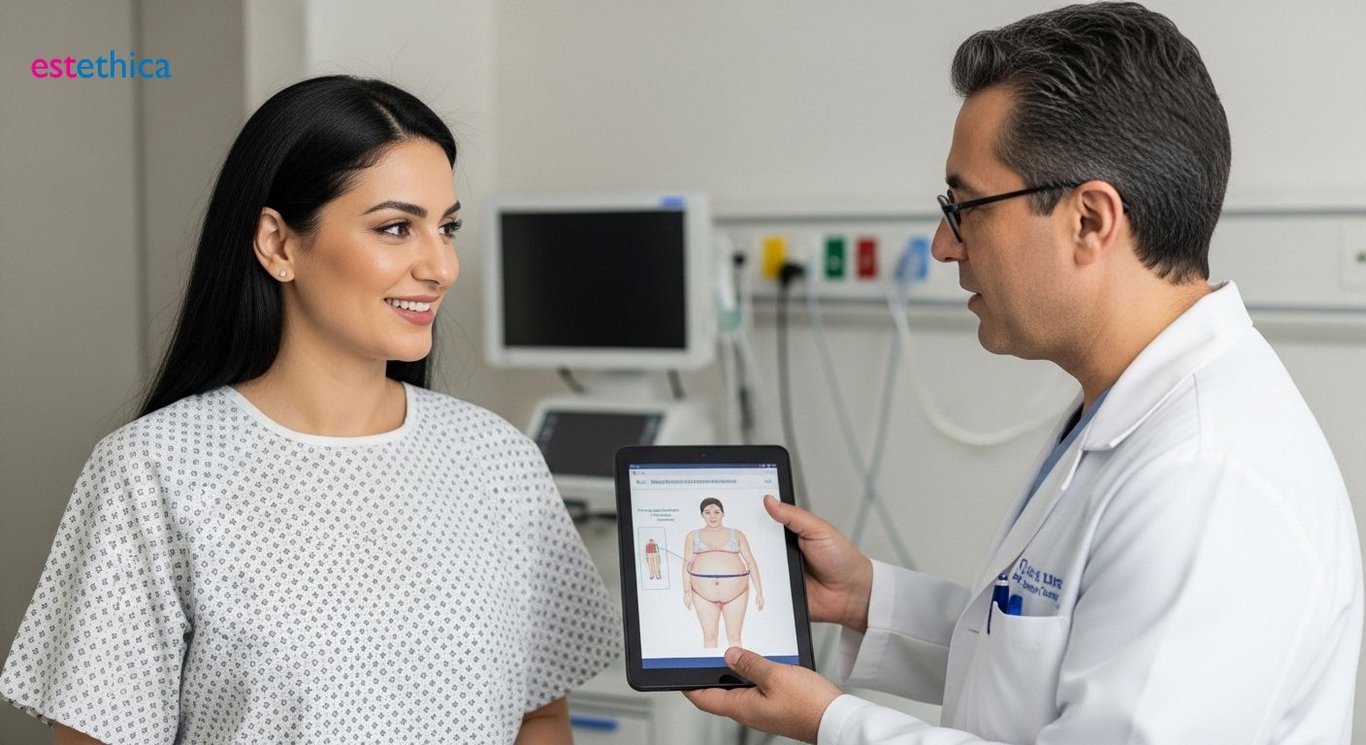
The consultation phase is a vital part of the process to understand how to qualify for bariatric surgery. During these appointments, your healthcare team will delve into your personal health goals and aspirations. They will meticulously review your medical records, looking for any factors that might influence surgical outcomes or recovery. This is also your opportunity to ask every question you may have about the different surgical procedures available, including their respective risks, benefits, and potential complications. Open and honest communication is key during this stage. By discussing your individual needs and concerns, your team can help identify the most suitable surgical approach and prepare you comprehensively for the journey ahead. This collaborative effort ensures you are fully informed and confident as you consider taking this significant step towards a healthier future.
Gastric Bypass Recovery Time: What to Expect After Surgery
Understanding the Initial Healing Phase
Embarking on the journey of bariatric surgery involves a significant healing process, and understanding the gastric bypass recovery time is paramount for a smooth transition. Immediately following your procedure, you can anticipate spending a few days in the hospital. This crucial period allows medical professionals to closely monitor your vital signs and ensure there are no immediate complications. During your hospital stay, your diet will be strictly limited to clear liquids. This is essential for allowing your stomach and intestines to begin their healing process without added strain. As your body adapts, you will gradually progress to pureed foods, and then to soft, easily digestible textures. This phased approach to reintroducing food is a cornerstone of a successful recovery after bariatric surgery.
Navigating Post-Hospital Recovery and Long-Term Adaptation
The initial recovery period at home typically spans several weeks. Most individuals find they can return to light daily activities within the first one to two weeks. However, a complete return to work, especially if your job involves physical exertion, may take between four and six weeks. This timeline is highly individual and depends on the specifics of your surgical procedure and how your body responds. Effective pain management is a critical component of this phase; your surgical team will provide detailed instructions on managing any post-operative discomfort. Adhering diligently to your prescribed post-operative diet plan is non-negotiable. It’s also vital to focus on adequate hydration and slowly incorporate nutrient-dense foods into your meals. These dietary adjustments are fundamental for optimizing your health as you explore different weight loss surgery options. Remember, understanding how to qualify for bariatric surgery is just the first step; managing the recovery is equally important for long-term success.
Beyond the initial weeks, the long-term gastric bypass recovery time involves consistent follow-up appointments. These check-ins are designed to track your progress, monitor your nutritional status, and ensure your overall well-being. This phase is not solely about physical recuperation; it’s a significant period of adaptation to new eating habits and lifestyle modifications. Staying adequately hydrated, diligently taking all prescribed vitamin and mineral supplements, and attending every scheduled medical appointment are vital for maximizing the benefits of your bariatric surgery. Patience and a strong commitment to these lifestyle changes are the keys to achieving lasting results after considering various weight loss surgery options and understanding how to qualify for bariatric surgery.

Transformative Bariatric Procedures for Sustainable Weight Loss
Bariatric surgery, also known as obesity surgery, offers a pathway to significant and sustainable weight loss by modifying the digestive system. These procedures are designed to restrict food intake, reduce nutrient absorption, or a combination of both, effectively addressing severe obesity and its related health complications.
Expertise in bariatric surgery encompasses a deep understanding of various techniques, including Gastric Bypass, Sleeve Gastrectomy, and the Adjustable Gastric Band. Each procedure is tailored to individual patient needs, with a focus on improving overall health and quality of life through safe and effective weight management.
Our approach to bariatric surgery emphasizes a multidisciplinary team that guides patients through every stage of their weight loss journey. This team of specialists ensures comprehensive care, from initial consultation and eligibility assessment to post-operative recovery and long-term adaptation.
Navigating Your Healthy Weight Loss Journey with Confidence
Trust is paramount when embarking on a healthy weight loss journey through bariatric procedures. We provide clear, detailed information on how to qualify for bariatric surgery, including eligibility criteria and the vital consultation process, empowering patients with knowledge.
Understanding what to expect during gastric bypass recovery time is crucial for patient confidence and successful adaptation. Our transparent approach ensures patients are well-informed about the initial healing phase, post-hospital care, and long-term lifestyle adjustments required for lasting success.
Patients often highlight the thoroughness of the eligibility assessment and the expert guidance provided throughout their weight management surgery experience. The personalized care plans and dedicated support contribute significantly to a positive and transformative patient journey.