


Comprehensive guide to bariatric surgery recovery, detailing recovery timelines for gastric bypass and sleeve gastrectomy, post-operative diets, potential risks, and exercise guidelines.
Embarking on the journey of bariatric surgery is a significant step towards a healthier life. Understanding what to expect during recovery is crucial for a smooth transition. This guide provides insights into bariatric surgery recovery, focusing on gastric bypass recovery timelines, post-surgery diets, and what to anticipate after procedures like sleeve gastrectomy. We aim to equip you with the knowledge needed for a successful recuperation and long-term well-being.Bariatric Bypass Surgery Recovery Time Guide
Embarking on the journey of bariatric surgery is a significant step towards a healthier life. Understanding the bariatric bypass surgery recovery time is crucial for setting realistic expectations and navigating the initial weeks and months post-operation. While individual experiences can vary, a general recovery timeline provides a helpful framework.
Immediate Post-Operative Period
Following bariatric bypass surgery, your immediate recovery begins in the hospital. Patients typically stay for one to three days. During this time, the medical team closely monitors your vital signs and ensures there are no immediate complications. You will begin your dietary progression with liquids, a vital first step in allowing your digestive system to heal. This initial phase is focused on pain management and establishing basic hydration and nutrition intake.
Returning Home and Early Healing
Once discharged, the focus shifts to recovery at home. The first few weeks are critical for your body to begin healing. Many individuals find they can return to light daily activities and desk-based employment within two to four weeks after surgery. However, it is imperative to listen to your body and avoid overexertion. Strenuous activities, including heavy lifting, should be postponed for at least four to six weeks, and sometimes longer, as advised by your surgeon. This period is about gradual reintroduction of activity and allowing your internal incisions to heal properly. This guide is meant to provide a general overview, and for more detailed information, please refer to our comprehensive resource on Bariatric Surgery Recovery: Timelines, Diet & What to Expect.
Long-Term Recovery and Adaptation
The concept of bariatric bypass surgery recovery time extends beyond the initial weeks. The full recovery process can span several months. During this time, your body continues to adapt to the significant changes, and you will likely experience ongoing weight loss. Adhering strictly to your surgeon’s post-operative instructions, particularly regarding diet and activity, is paramount for optimal healing and to minimize potential risks associated with the procedure. Knowing how long is recovery after bariatric bypass surgery helps patients plan and mentally prepare for this transformative phase. Successful healing and long-term outcomes from bariatric surgery depend heavily on diligent adherence to medical advice throughout the recovery period.
Understanding the nuances of bariatric bypass surgery recovery time is key. While the initial recovery may feel swift, the body's complete adaptation takes time. Patience and consistent effort in following dietary guidelines and recommended physical activity are essential. The question of how long is recovery after bariatric bypass surgery often leads to the realization that it's an ongoing process rather than a fixed endpoint. This initial phase of recovery is a foundation for sustained health improvements following bariatric surgery.

Gastric Bypass Recovery Timeline Explained
Undergoing gastric bypass surgery is a significant step towards a healthier life, and understanding the recovery process is crucial for a smooth transition. The journey back to normal activities is typically marked by gradual dietary advancements and careful physical rehabilitation. This phased approach ensures your body has the best chance to heal and adapt to its new digestive system.
Initial Healing and Dietary Progression
In the first week following your operation, the focus is strictly on clear liquids. This allows your stomach and intestines to begin healing without significant strain. Hydration is paramount during this initial phase. As you move into the second week, you'll typically progress to full liquids, which include items like protein shakes, thin yogurts, and creamed soups. By week three or four, many patients are ready to introduce pureed or very soft foods. This might include mashed vegetables, soft fruits, and well-cooked, ground meats. It's often around this time that individuals who have desk-based jobs can resume their professional duties, provided they feel up to it. This period is vital for allowing your new anatomy to adjust comfortably. Understanding the general principles outlined in resources like Bariatric Surgery: BMI & Recovery Explained can help set expectations for the overall bariatric surgery recovery time.
Reintroducing Solids and Increasing Activity
The most significant dietary shift usually occurs around the six-week mark. Most patients are cleared to begin slowly reintroducing solid foods. The emphasis at this stage is on soft, easily digestible options such as fish, poultry, and well-cooked vegetables. Chewing your food thoroughly and eating slowly are essential habits to cultivate as your digestive system adapts to processing these textures. This careful reintroduction is a key component of the bariatric bypass surgery recovery time, as it helps prevent discomfort and complications. Regarding physical activity, the approach is equally gradual. Short, gentle walks are typically encouraged soon after surgery to promote circulation and aid healing. As your strength returns, you can slowly increase the duration and intensity of your workouts. Always listen to your body and consult your healthcare team before significantly increasing your exercise regimen. This careful management of diet and activity is fundamental to a successful bariatric bypass surgery recovery time. Answering the question, "how long is recovery after bariatric bypass surgery," truly depends on individual healing, but this structured timeline is a common guide. Adhering to these guidelines will contribute to a positive bariatric bypass surgery recovery time, ensuring you can effectively answer, "how long is recovery after bariatric bypass surgery?"
Post-Surgery Diet After Gastric Bypass
Embarking on the journey after gastric bypass surgery involves a meticulously planned dietary progression. This phased approach is designed to allow your digestive system to heal and adapt gradually, ensuring optimal absorption of nutrients and minimizing discomfort. Understanding these stages is fundamental to a successful bariatric bypass surgery recovery.Dietary Phases Explained
The immediate period following your bariatric bypass surgery is characterized by a liquid diet. For the first few days, you will exclusively consume clear liquids. This crucial step ensures adequate hydration and gives your newly reshaped stomach and intestines a much-needed rest. Following this, the diet typically progresses to full liquids for another week or two, incorporating items like protein shakes, milk, and non-acidic juices. This phase is vital for continuing hydration and beginning to introduce essential protein. As healing progresses, typically around two weeks post-operation, the diet transitions to pureed foods. The focus here is on smooth, easily digestible options, with a strong emphasis on protein. Think smooth yogurts, mashed cottage cheese, and well-blended lean protein sources. After approximately another two weeks, you will move to a soft, mushy foods diet. This stage allows for a wider variety of textures, such as scrambled eggs, flaked fish, and cooked vegetables that can be easily mashed. It's during this period that patients often start to feel more significant progress in their bariatric bypass surgery recovery.Transitioning to Solids and Long-Term Habits
Around six weeks after your procedure, you may begin introducing solid foods. This transition is gradual, and it's essential to listen to your body. The emphasis throughout all stages is on consuming small, frequent meals. Protein intake remains a top priority to aid healing and preserve muscle mass. It is imperative to avoid foods that can cause discomfort or complications, including tough, fibrous meats, stringy or raw vegetables, and high-sugar or high-fat items. Adhering strictly to the dietary guidelines provided by your surgical team is paramount for successful bariatric bypass surgery recovery and achieving long-term weight loss goals. For further insights into the broader recovery process, readers may find the article Bariatric Surgery Recovery: Your Guide to a Smoother Journey to be a valuable resource. Remembering how long is recovery after bariatric bypass surgery can be challenging, but consistent adherence to diet is key.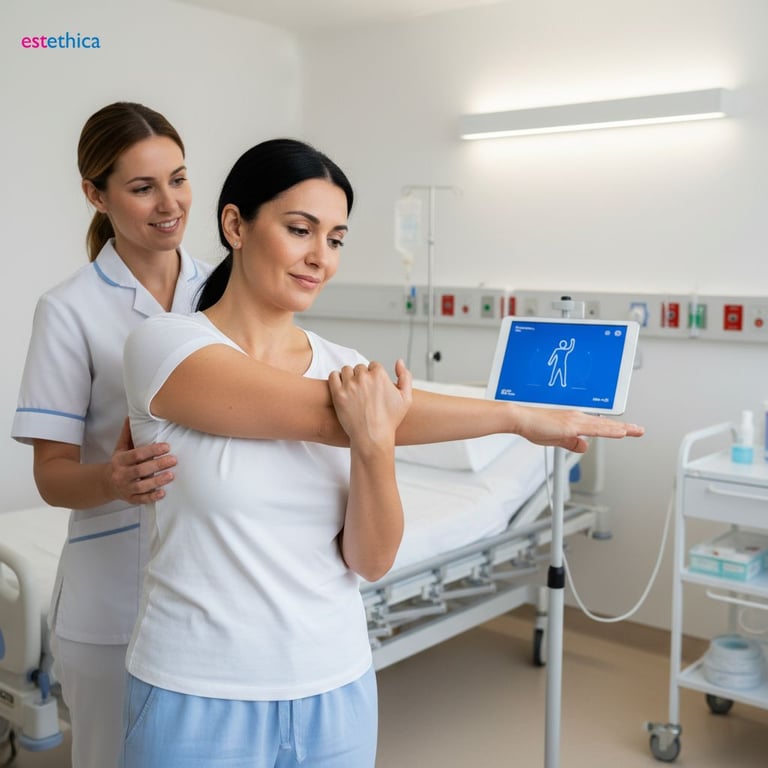
What to Expect After Sleeve Gastrectomy
Sleeve gastrectomy, another prevalent form of bariatric surgery, offers a distinct yet structured recovery pathway. Similar to other bariatric procedures, patients typically anticipate a short hospital stay, usually a couple of days, during which the initial phase of recovery begins with a liquid-only diet. This carefully monitored start is crucial for allowing the stomach to begin healing.
Upon returning home, the journey continues with a progressive dietary plan. This typically involves a carefully phased approach, starting with clear liquids, then advancing to full liquids, followed by pureed foods, and gradually transitioning to soft solids. This multi-stage dietary progression is designed to support the healing of the stomach and ensure optimal nutrient absorption, typically spanning several weeks before a more regular diet can be resumed.
Early Recovery and Activity Guidelines
In the initial weeks following your surgery, it is normal to experience some discomfort and fatigue. Your body is undergoing significant changes, and rest is paramount. Many individuals find they can return to light duties and non-strenuous activities within two to three weeks. However, a more comprehensive return to normal daily routines and exercise is generally recommended only after approximately six weeks. Patience is key; while initial weight loss often begins quickly, the overall process is a gradual one. Understanding and adhering to these post-operative guidelines is essential for a smooth and successful recovery. For a broader overview of surgical options and their recovery phases, you may find our comprehensive guide, Bariatric Surgery: Your Obesity Surgery Options & Recovery, to be a valuable resource.
Managing Expectations and Long-Term Success
It is vital to manage expectations regarding the immediate results of sleeve gastrectomy. While the physical transformation begins early, significant and sustainable weight loss is a marathon, not a sprint. This procedure is a powerful tool, but its success is deeply intertwined with your commitment to long-term lifestyle changes, including diet and exercise. The reduced stomach capacity aids in feeling fuller with smaller portions, promoting healthier eating habits. Successfully navigating the initial recovery period lays the foundation for achieving your long-term health and weight management goals. Proper adherence to dietary recommendations and gradual reintroduction of physical activity are cornerstones of ensuring the effectiveness and longevity of the surgery's benefits. The initial phase of recovery, especially concerning diet and activity, is crucial for setting the stage for subsequent success.

Mastering Bariatric Surgery Recovery: Expertise in Gastric Bypass and Sleeve Gastrectomy Pathways
Our comprehensive approach to bariatric surgery recovery, including detailed guidance on gastric bypass and sleeve gastrectomy, is built on extensive medical knowledge. We focus on providing clear, actionable steps for each patient's unique healing journey, ensuring a smooth transition from hospital to home.
Specializing in the latest bariatric surgery techniques, we offer advanced insights into post-operative care. This includes meticulous planning for dietary progression and activity guidelines tailored to optimize healing and long-term adaptation.
Our commitment to patient well-being is evident in our detailed recovery protocols. We aim to empower individuals with the knowledge of bariatric bypass surgery recovery time, enabling informed decision-making throughout their health transformation. Understanding the nuances of recovery, from immediate post-operative care to long-term lifestyle adjustments, is paramount to our practice.
Trusted Bariatric Surgery Recovery Guidance: From Immediate Care to Lasting Health
We prioritize patient trust by offering transparent information about bariatric surgery recovery. Our detailed guides address common concerns, such as pain management, dietary progression, and the importance of early healing after gastric bypass surgery.
Our focus on what to expect after sleeve gastrectomy and gastric bypass ensures patients feel supported and informed. We emphasize the progressive dietary plan and activity guidelines crucial for successful outcomes and the development of long-term healthy habits.
Patients rely on our expertise for navigating the complexities of bariatric surgery recovery. Our comprehensive timelines and dietary recommendations, including the crucial six-week mark for significant dietary shifts, are designed to build confidence and facilitate a successful, healthy future.