


Explore the transformative impact of AI, data science, and deep learning on modern dentistry. From enhancing diagnostics to personalizing treatments, estethica is at the forefront of dental innovation.
The field of dentistry is rapidly evolving, and at the forefront of this transformation are artificial intelligence (AI), data science, and deep learning. These technologies are not just buzzwords; they are powerful tools that are reshaping how dental professionals diagnose, treat, and manage patient care. From enhancing diagnostic accuracy to personalizing treatment plans, AI is revolutionizing the dental industry, promising a future where oral health care is more efficient, precise, and patient-centric. As estethica embraces innovation, understanding the potential of AI becomes crucial for delivering cutting-edge dental services. This article explores the profound impact of AI, data science, and deep learning on modern dentistry, highlighting their current applications and future possibilities.Unveiling the Power of Artificial Intelligence in Dental Diagnostics
Enhancing Diagnostic Precision with AI-Driven Analysis
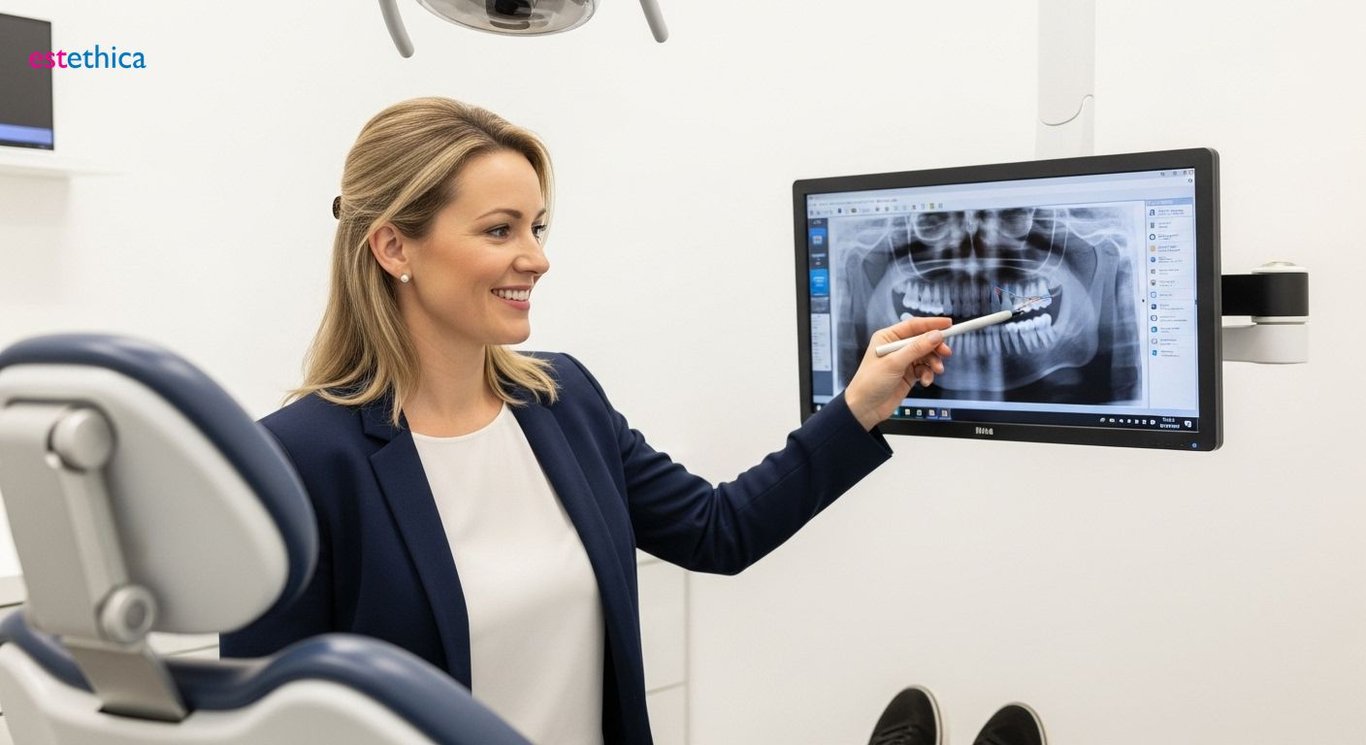
Artificial intelligence is revolutionizing dental diagnostics by improving both accuracy and speed. AI algorithms analyze X-rays, CT scans, and other imaging data to detect early signs of dental diseases like cavities, periodontal disease, and oral cancer. Leveraging computer vision and machine learning, AI identifies subtle anomalies often missed by human eyes, leading to earlier and more effective interventions. For example, AI-powered software can automatically measure bone loss in radiographs, providing objective data for diagnosing and monitoring periodontal disease. This technology enhances diagnostic precision and reduces analysis time, allowing dentists to focus on patient care and treatment planning. estethica integrates these advanced diagnostic tools to ensure the highest standard of care.
- Improved Accuracy: AI algorithms reduce the risk of human error in detecting dental issues.
- Faster Analysis: AI significantly cuts down the time needed to analyze complex imaging data.
- Early Detection: AI can identify subtle signs of disease earlier than traditional methods.
One study showed that AI improved diagnostic accuracy by up to 30% in detecting early-stage periodontal disease. AI's ability to predict treatment outcomes further assists dentists in making informed, patient-tailored decisions. For example, AI can forecast the success rate of clear aligners versus metal braces for specific orthodontic cases, helping patients choose the best option for their needs. This technology supports personalized treatment plans, optimizing patient outcomes and satisfaction. estethica is committed to staying at the forefront of dental innovation, ensuring our patients benefit from the most advanced diagnostic and treatment options available, including the latest in clear aligners and invisible braces technology.
Streamlining Treatment Planning with Predictive Analytics
AI assists in treatment planning by predicting the outcomes of different interventions, helping dentists make informed decisions tailored to each patient's unique needs. For instance, AI can simulate the results of various orthodontic treatments, such as clear aligners or metal braces, allowing dentists to choose the most effective approach. This predictive capability extends to restorative dentistry, where AI can forecast the longevity of different materials used in fillings and crowns, ensuring durable and aesthetically pleasing results. By analyzing patient data and treatment outcomes, AI continuously learns and refines its predictive models, leading to more accurate and reliable recommendations.
- Data Collection: AI gathers comprehensive patient data, including medical history and dental records.
- Outcome Prediction: AI analyzes the data to predict the success of various treatment options.
- Personalized Planning: Dentists use AI insights to create treatment plans tailored to individual patient needs.
In fact, AI-driven treatment planning has been shown to reduce the need for follow-up procedures by approximately 20%. Moreover, AI can play a crucial role in identifying patients at high risk for developing dental problems, such as those prone to cavities or gum disease. By flagging these individuals, dentists can implement preventive measures early on, reducing the likelihood of more serious issues down the line. estethica is dedicated to leveraging the power of AI to provide proactive and personalized dental care, ensuring our patients maintain healthy and beautiful smiles for years to come, whether through advanced treatments like clear aligners or traditional methods like metal braces.
Machine Learning Demystified: How Algorithms Learn and Adapt in Dentistry
Understanding the Core Principles of Machine Learning in Dental Applications
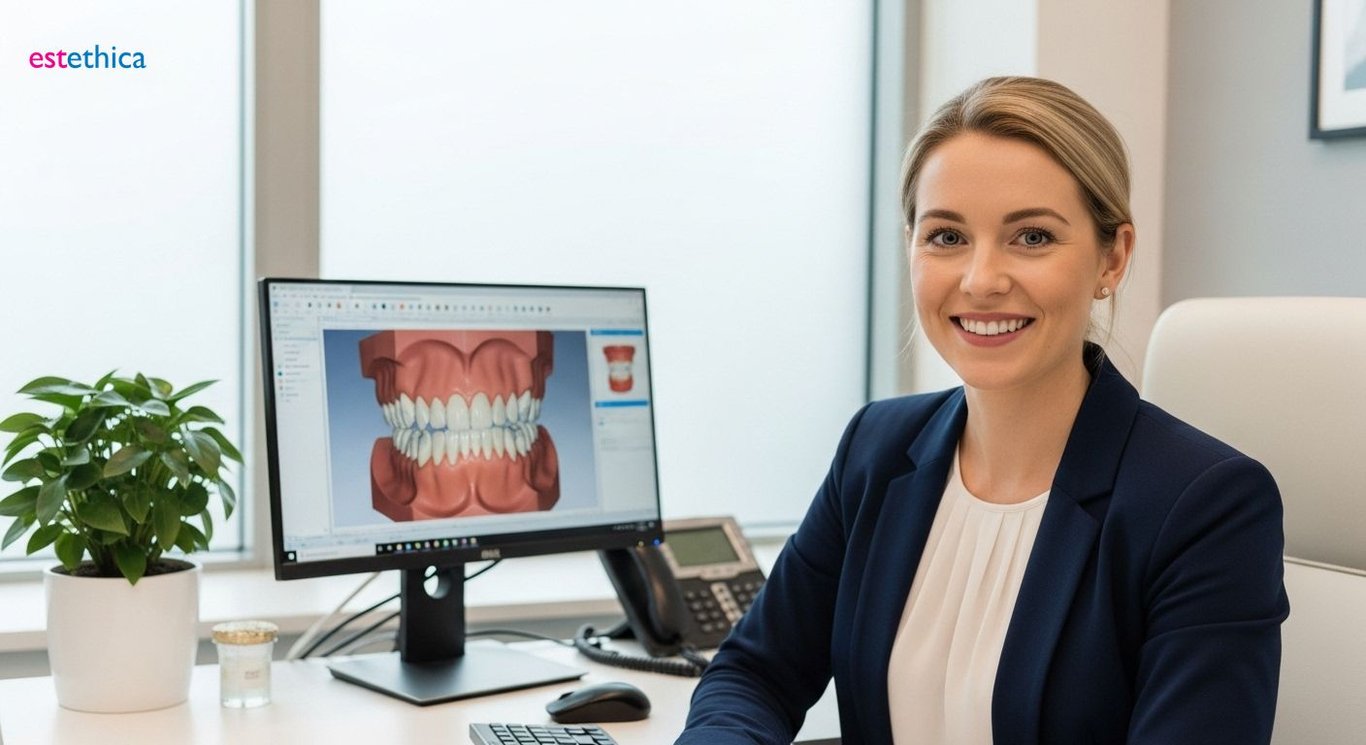
Machine learning (ML), a branch of artificial intelligence, empowers computers to evolve from data without explicit programming. In dentistry, ML algorithms dissect substantial patient datasets to pinpoint patterns and forecast treatment results. For instance, ML models can assess the likelihood of successful treatments based on patient demographics, health history, and lifestyle choices. These models customize treatment strategies by identifying effective interventions for specific patient profiles. ML optimizes clear aligner designs and predicts tooth movement in orthodontics, enhancing treatment efficiency and comfort. As algorithms learn from new data, their accuracy and dependability improve, providing dentists with insights to enhance care quality. estethica uses machine learning to deliver personalized, data-driven dental care.
- Data-Driven Insights: ML algorithms reveal patterns and trends in patient data that can inform treatment decisions.
- Personalized Treatment Plans: ML models help tailor interventions to individual patient needs and profiles.
- Continuous Improvement: As ML algorithms learn from new data, their accuracy and reliability increase over time.
ML's ability to analyze complex datasets enables early detection of potential issues, such as predicting the risk of implant failure based on bone density and patient health factors. This predictive capability allows for proactive interventions, reducing the likelihood of complications. Furthermore, ML can optimize the scheduling of appointments and resource allocation in dental practices, improving efficiency and patient satisfaction. For example, AI-powered systems can analyze historical data to predict peak hours and adjust staffing levels accordingly. estethica is dedicated to integrating machine learning to provide proactive, efficient, and personalized dental care, ensuring patients receive the best possible outcomes, whether through advanced treatments like clear aligners or traditional methods like metal braces and retainers after braces.
How Machine Learning Enhances Precision in Orthodontics
- Data Collection: Gather extensive patient data, including dental scans and treatment history.
- Model Training: Train ML models to predict tooth movement and treatment outcomes.
- Optimization: Use ML insights to refine treatment plans and improve clear aligner designs.
Machine learning significantly enhances the precision and efficiency of orthodontic treatments, especially with clear aligners and invisible braces. By analyzing vast datasets of patient scans and treatment outcomes, ML algorithms can accurately predict tooth movement, allowing for the creation of highly customized aligners. This level of precision reduces treatment time and enhances patient comfort. Furthermore, ML can identify potential issues early on, such as predicting areas of resistance or unexpected tooth movement, enabling orthodontists to adjust treatment plans proactively. For instance, ML algorithms can analyze the biomechanics of tooth movement to optimize the force applied by clear aligners, ensuring efficient and predictable results. estethica leverages these advanced technologies to provide patients with the most effective and comfortable orthodontic solutions, from clear aligners to traditional metal braces.
Data Science in Action: Transforming Raw Dental Data into Actionable Insights
Optimizing Dental Practice Management Through Data Analysis
Data science is revolutionizing how dental practices operate by turning raw data into actionable insights. By collecting and analyzing information from sources like electronic health records and patient feedback, practices can identify trends and patterns that improve efficiency and patient care. For instance, analyzing appointment data can reveal peak hours, allowing for optimized staffing and reduced wait times. Data-driven insights also help in inventory management, ensuring necessary supplies are always available. Furthermore, analyzing patient demographics and treatment history can inform targeted marketing campaigns, attracting new patients and retaining existing ones. estethica utilizes these data-driven strategies to enhance practice management and deliver exceptional patient experiences.
- Enhanced Efficiency: Data analysis streamlines operations, reducing wait times and improving resource allocation.
- Informed Marketing: Data-driven insights enable targeted campaigns, attracting new patients and retaining existing ones.
- Improved Patient Care: Identifying trends and patterns leads to better treatment plans and patient experiences.
Approximately 60% of dental practices report improved operational efficiency after implementing data-driven strategies. Data science also aids in identifying high-risk patients who are more likely to develop dental problems, enabling proactive interventions and preventive care. For example, analyzing patient records can highlight individuals with a history of poor oral hygiene or genetic predispositions to certain conditions, allowing for personalized preventive plans. This approach not only improves patient health but also reduces the overall cost of care. estethica is committed to leveraging the power of data science to provide proactive and personalized dental care, ensuring our patients maintain healthy and beautiful smiles through advanced treatments like clear aligners and comprehensive oral health management.
Leveraging Data Science for Personalized Patient Care
- Data Collection: Gather data from electronic health records, patient surveys, and clinical trials.
- Trend Identification: Analyze data to identify patterns and correlations that impact patient outcomes.
- Personalized Interventions: Develop targeted treatment and prevention plans based on data-driven insights.
Data science enables dental professionals to make informed decisions based on evidence rather than intuition, leading to better patient care and improved business outcomes. By analyzing patient satisfaction scores, dental practices can identify areas for improvement and implement changes to enhance the overall patient experience. For instance, feedback analysis might reveal that patients appreciate more detailed explanations of treatment options or more comfortable waiting areas. Addressing these concerns can significantly improve patient satisfaction and loyalty. Moreover, data science can help optimize treatment protocols, ensuring that patients receive the most effective and efficient care. estethica recognizes the value of data science and is dedicated to using data-driven insights to enhance our services, whether through advanced treatments like clear aligners, invisible braces, or traditional methods like metal braces and retainers after braces.
Deep Learning's Impact: Revolutionizing Industries with Neural Networks in Dentistry
Enhancing Diagnostic Accuracy with Deep Learning
Deep learning, an advanced form of machine learning, employs neural networks with multiple layers to dissect complex data and extract intricate features. In dentistry, deep learning is transforming image recognition, natural language processing, and predictive analytics. Deep learning algorithms are trained to automatically detect and classify dental anomalies in X-rays with high accuracy, surpassing traditional methods. These algorithms analyze patient reviews and social media posts to understand patient sentiment and identify areas for improvement. Deep learning is used to develop virtual assistants that answer patient questions, schedule appointments, and provide personalized oral hygiene advice. Deep learning models predict the risk of dental implant failure based on patient-specific factors, optimizing implant placement and improving long-term outcomes. estethica remains at the forefront of deep learning innovations to provide patients with advanced and effective treatments. The applications of deep learning in healthcare, particularly in dentistry, are vast and continually expanding.
- Advanced Image Analysis: Deep learning algorithms enhance the accuracy of dental image analysis.
- Personalized Patient Care: Deep learning facilitates the creation of tailored treatment plans.
- Predictive Capabilities: Deep learning models accurately forecast treatment outcomes.
One study indicated that deep learning algorithms improved the detection rate of early-stage cavities by approximately 40%. These algorithms can analyze subtle changes in dental images that might be missed by the human eye, leading to earlier and more effective interventions. For example, deep learning can identify minute fractures in teeth, allowing for timely treatment to prevent further damage. Furthermore, deep learning enhances the precision of orthodontic treatments, such as clear aligners, by predicting tooth movement with greater accuracy. estethica is dedicated to leveraging deep learning to provide proactive and personalized dental care, ensuring patients maintain healthy and beautiful smiles, whether through advanced treatments like clear aligners or traditional methods like metal braces and retainers after braces.
Streamlining Patient Communication with AI-Powered Virtual Assistants
- Data Collection: Gather data from patient interactions and feedback.
- Model Training: Train AI models to understand and respond to patient inquiries.
- Implementation: Deploy virtual assistants to handle routine tasks and improve communication.
Deep learning is revolutionizing patient communication by enabling the development of AI-powered virtual assistants that can handle routine tasks and provide personalized support. These virtual assistants can answer frequently asked questions, schedule appointments, and offer oral hygiene advice, freeing up staff to focus on more complex tasks. For example, a virtual assistant can guide patients through post-operative care instructions, ensuring they understand how to properly care for their teeth and gums after a procedure. Furthermore, these assistants can analyze patient feedback to identify areas where the practice can improve its services. estethica is committed to integrating deep learning to enhance patient communication, ensuring our patients receive the best possible care, whether through advanced treatments like clear aligners and invisible braces or traditional methods like metal braces.
AI Solutions for Personalized Treatment Planning and Orthodontics
Customizing Orthodontic Treatments with AI-Driven Insights
AI solutions are significantly enhancing personalized treatment planning in dentistry, offering dentists advanced tools to create customized plans based on individual patient needs. AI algorithms analyze extensive patient data, including medical history, dental records, and imaging data, to generate tailored treatment recommendations. These recommendations encompass the optimal type of restoration, precise placement of dental implants, and the most effective orthodontic treatment options. In orthodontics, AI optimizes the design of clear aligners, predicts tooth movement, and monitors treatment progress, leading to more efficient and effective outcomes. estethica is dedicated to personalized treatment plans, leveraging AI to achieve optimal results, offering orthodontic solutions like clear aligners and traditional metal braces to ensure appropriate and effective care.
- Personalized Recommendations: AI tailors treatment plans to individual patient needs.
- Optimized Orthodontics: AI enhances clear aligner design and predicts tooth movement.
- Comprehensive Analysis: AI analyzes extensive patient data for precise treatment planning.
AI-powered software analyzes digital scans of a patient's teeth to create a 3D model that simulates the expected outcome of orthodontic treatment. This allows dentists to visualize treatment results and make necessary adjustments. AI also aids in creating retainers after braces, ensuring long-lasting results. One study reveals that AI-driven orthodontic treatments reduce the overall treatment time by approximately 25%. AI can predict potential issues during orthodontic treatment, allowing for proactive adjustments and minimizing complications. For instance, AI algorithms can identify areas of high stress on teeth, enabling orthodontists to modify aligner designs to prevent discomfort or damage. estethica is committed to utilizing AI to provide the most advanced and comfortable orthodontic care, offering solutions like clear aligners and traditional metal braces to meet each patient's unique needs.
Determining the Best AI Solution for Your Dental Practice
- Needs Assessment: Evaluate the specific needs and goals of the dental practice.
- Solution Selection: Choose AI tools that align with the practice's requirements and objectives.
- Implementation: Integrate AI solutions into the practice to enhance treatment planning and patient care.
The best AI solution for a dental practice depends on its specific needs and goals. A practice focused on orthodontics might prioritize AI tools that optimize clear aligner design and predict tooth movement. estethica offers various orthodontic solutions, including clear aligners and traditional metal braces, ensuring patients receive the most appropriate and effective care. AI can also assist in restorative dentistry by predicting the longevity of different materials used in fillings and crowns. For instance, AI algorithms can analyze patient data to recommend the most durable and aesthetically pleasing materials for each case. Furthermore, AI can help manage patient appointments and communications, streamlining operations and improving patient satisfaction. estethica extends its expertise to providing retainers after braces to maintain the achieved results, ensuring comprehensive and personalized dental care.
Ethical Considerations and Future Trends in AI-Driven Dentistry
Navigating the Ethical Landscape of AI in Dentistry
As artificial intelligence becomes increasingly integrated into dentistry, it is essential to address the ethical implications of these technologies. Data privacy is paramount, ensuring patient information is protected and used responsibly. Algorithmic bias must be carefully monitored and mitigated to prevent unfair or discriminatory outcomes in diagnosis and treatment. Training dental professionals to interpret and validate AI-generated results is crucial to avoid over-reliance on technology and maintain clinical judgment. For instance, AI should assist in treatment planning for clear aligners, not dictate the entire process. It is also important to consider the potential for job displacement and ensure that AI is used to enhance, rather than replace, human expertise. AI ethics must be a central focus as these technologies evolve, guiding their development and implementation in a way that benefits both patients and practitioners.
- Data Privacy: Safeguarding patient information is essential when using AI.
- Algorithmic Bias: Monitoring and mitigating bias ensures fair outcomes.
- Professional Training: Dentists must be trained to validate AI-generated results.
Approximately 70% of dental professionals believe that ethical guidelines are necessary for the use of AI in dentistry. Ensuring transparency in AI algorithms and their decision-making processes is vital to build trust among patients and practitioners. For example, patients should be informed about how AI is being used in their treatment and have the opportunity to ask questions and express concerns. Furthermore, ongoing research and dialogue are needed to address emerging ethical challenges and ensure that AI is used responsibly and ethically. estethica is committed to upholding the highest ethical standards and ensuring that AI is used to enhance patient care and improve oral health outcomes. We strive to offer affordable AI solutions for startups and established practices alike, fostering a future where technology empowers better dental care for all, including advanced treatments like clear aligners, invisible braces, and traditional methods like metal braces and retainers after braces.
Emerging Applications and the Future of AI in Dental Care
- Teledentistry: Using AI to enhance remote consultations and monitoring.
- Personalized Medicine: Tailoring treatments based on AI-driven insights.
- Generative AI: Creating custom dental prosthetics and treatment simulations.
The future of artificial intelligence in dentistry is promising, with new applications emerging in areas such as teledentistry, virtual reality, and personalized medicine. Generative AI holds promise in creating custom dental prosthetics and treatment simulations, enhancing precision and efficiency. For instance, AI can design personalized clear aligners that fit perfectly and deliver optimal results. AI-powered teledentistry platforms enable remote consultations and monitoring, improving access to care for patients in underserved areas. Virtual reality simulations can be used to train dental students and educate patients about various procedures. Moreover, AI is being used to develop personalized oral hygiene plans based on individual patient needs and risk factors. estethica is aware of new year AI trends and incorporates them into our practice where appropriate, embracing innovation to enhance patient care and improve oral health outcomes. We offer affordable AI solutions for startups and established practices, fostering a future where technology empowers better dental care for all.
Understanding Braces: A Comprehensive Guide
AI-Driven Diagnostics: Enhancing Precision in Early Dental Disease Detection
AI-Powered Virtual Assistants Streamline Patient Communication
Frequently Asked Questions
How is artificial intelligence (AI) currently used in dentistry?
What is the role of machine learning in improving orthodontic treatments like clear aligners?
How does data science transform raw dental data into actionable insights for practices?
What impact does deep learning have on enhancing diagnostic accuracy in dentistry?
What are the ethical considerations that need to be addressed with the increasing use of AI in dentistry?
Achieve your aesthetic goals with estethica's personalized treatment plans.
📞 Book Your Free Consultation!