

Embrace AI in dentistry. Learn how technology optimizes orthodontic care for enhanced patient results.
Welcome to an exploration of cutting-edge digital dentistry. Today, we unravel the fusion between traditional dental practices and the innovations driven by artificial intelligence. From clear aligners to metal braces, the integration of AI is redefining outcomes and efficiency in orthodontics. This blog dives into AI applications in dentistry, highlighting how this evolves into more accurate and patient-oriented solutions.
Unlocking Dental AI: What is Artificial Intelligence Used For in Orthodontics?
Artificial Intelligence is transforming the dental landscape by enhancing the precision and effectiveness of orthodontic treatments. AI is prominently used in creating personalized treatment plans, particularly in designing clear aligners tailored to the unique dental structure of each patient. The technology empowers dental professionals to simulate teeth movements and forecast treatment outcomes, ensuring better patient satisfaction.
AI's Role in Enhancing Orthodontic Precision
AI drastically improves the accuracy of orthodontic treatments by utilizing algorithms that analyze extensive datasets of dental structures. This capability enables orthodontists to predict the most effective alignment strategies, reducing the duration and enhancing the results of treatments such as braces. In fact, AI-driven analysis can decrease treatment times by up to 20% while improving overall alignment accuracy.
- Enhanced Diagnostics: AI algorithms analyze X-rays and scans with greater precision, identifying subtle anomalies that might be missed by the human eye.
- Customized Braces Design: AI assists in creating customized braces tailored to the patient’s specific dental structure, leading to more effective tooth movement.
- Predictive Analysis: AI forecasts the outcomes of different treatment options, helping orthodontists choose the most efficient path for each patient.
For example, AI can determine the optimal placement of brackets for metal braces, predict the necessary adjustments for clear braces, and even optimize the design of retainers after braces to maintain alignment. AI also enhances the production of clear aligners by creating highly accurate models. This ensures a snug fit and precise tooth movement, making the treatment process more comfortable and effective.
Personalized Treatment Planning with AI
AI enables orthodontists to craft treatment plans that are highly personalized, taking into account the unique characteristics of each patient's dental structure. Machine learning algorithms analyze various factors, such as jaw alignment, tooth size, and facial symmetry, to create a treatment strategy that maximizes effectiveness and minimizes discomfort. AI considers individual differences to optimize treatment outcomes, ensuring each patient receives the best possible care.
- Data Collection: Comprehensive data on the patient’s dental structure, including X-rays and 3D scans, is gathered.
- AI Analysis: Machine learning algorithms analyze the data to identify specific issues and predict the best course of action.
- Treatment Simulation: AI simulates the entire treatment process, allowing orthodontists to visualize and adjust the plan for optimal results.
For example, AI can generate simulations showing the step-by-step movement of teeth with clear aligners, helping patients visualize their progress and stay motivated. It can also optimize the timing of adjustments for metal braces, ensuring steady and effective tooth movement. Moreover, AI can predict potential issues, such as root resorption, allowing orthodontists to take preventive measures. The use of AI ensures that treatments are not only effective but also tailored to the individual's specific needs, leading to higher satisfaction and better results with braces.

Machine Learning in Dentistry: How Algorithms Learn and Adapt?
Machine Learning algorithms in dentistry analyze vast amounts of data to optimize treatment plans, especially for clear and metal braces. These algorithms learn from past treatment data to predict outcomes and suggest the most effective approaches for current cases. This reduces chair time and improves the accuracy of orthodontic procedures, making the entire dental experience more efficient and patient-centered.
Optimizing Orthodontic Treatments with Machine Learning
Machine learning significantly enhances the efficiency of orthodontic treatments by predicting optimal tooth movement. Algorithms analyze data from thousands of successful cases to identify patterns that lead to quicker and more effective alignment. This predictive capability helps orthodontists tailor treatment plans, reducing the need for frequent adjustments. Studies show that practices implementing machine learning see up to a 30% reduction in treatment time, enhancing patient satisfaction.
- Predictive Modeling: Machine learning models predict tooth movement with greater accuracy, reducing the need for manual adjustments.
- Treatment Customization: Algorithms tailor treatment plans based on individual patient data, optimizing the effectiveness of clear aligners and metal braces.
- Efficiency Gains: By streamlining the treatment process, machine learning reduces chair time and the overall duration of orthodontic care.
For instance, machine learning can optimize the sequence of aligners in clear aligner therapy, ensuring each aligner stage effectively moves teeth towards the desired position. For metal braces, machine learning can determine the ideal placement and timing of adjustments, reducing the risk of complications and accelerating the alignment process. This technology also aids in designing retainers after braces, predicting potential relapse areas, and ensuring long-term stability.
Adaptive Learning in Dental Treatment Planning
Machine learning algorithms adapt and refine treatment plans based on real-time feedback and outcomes, ensuring continuous improvement. These algorithms analyze data collected during treatment, such as adjustments made to clear braces or metal braces, to identify what works best for different patient profiles. This adaptive learning process enables orthodontists to deliver more personalized and effective care. Practices using adaptive learning report a 25% improvement in treatment predictability.
- Data Collection: Real-time data on treatment progress and patient response is continuously gathered.
- Algorithm Training: Machine learning algorithms analyze the data to identify patterns and predict optimal adjustments.
- Treatment Refinement: Based on the analysis, treatment plans are refined to maximize effectiveness and minimize potential issues.
For example, if a patient using clear aligners isn't progressing as expected, machine learning can identify the cause—such as poor aligner fit or insufficient force—and suggest adjustments. For metal braces, the system can predict potential bracket failures or areas of slow movement, allowing for proactive interventions. Additionally, machine learning can optimize the design of retainers after braces, predicting areas prone to relapse and reinforcing those areas to maintain alignment. The adaptability of machine learning ensures that treatment plans are not static but evolve to meet the unique needs of each patient.
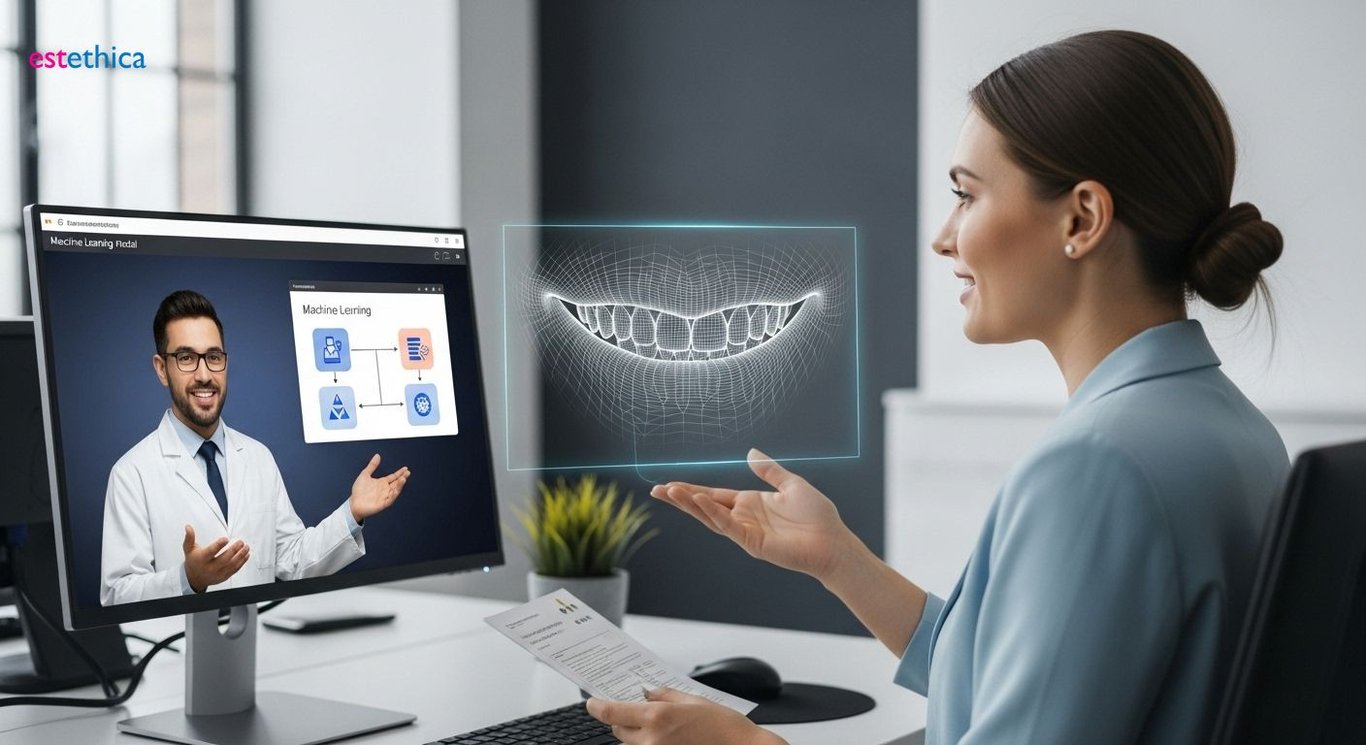
Data Science Careers in Dental: Navigating the Future of AI
The growing incorporation of data science in dental sciences opens various career paths. Professionals adept in data analysis and AI development contribute to advancing orthodontic technologies. This field promises tremendous growth for data scientists who are eager to innovate dental treatment processes and create AI-driven dental solutions that cater to specific patient needs.
Emerging Roles for Data Scientists in Orthodontics
As data science becomes integral to orthodontics, new specialized roles are emerging. Data scientists are needed to develop algorithms that enhance the precision of clear aligners and metal braces. They also contribute to creating predictive models that improve patient outcomes. The demand for these experts is growing as dental practices increasingly adopt AI-driven technologies to improve efficiency and patient care.
- AI Algorithm Developer: Creates and refines algorithms for analyzing dental data and optimizing treatment plans.
- Predictive Analytics Specialist: Develops models to forecast treatment outcomes and identify potential issues early on.
- Orthodontic Data Analyst: Analyzes large datasets to improve the effectiveness of orthodontic treatments and patient satisfaction.
For example, data scientists can develop AI algorithms that analyze 3D scans of teeth to customize the design of clear aligners, ensuring a precise fit and effective tooth movement. They can also create predictive models that help orthodontists anticipate potential complications with metal braces, allowing for proactive interventions. Furthermore, data scientists can optimize the design of retainers after braces by predicting areas of potential relapse and reinforcing those areas to maintain long-term alignment.
Essential Skills for Data Science Careers in Dental AI
To excel in data science roles within dental AI, professionals need a blend of technical and analytical skills. Proficiency in machine learning, statistical analysis, and data visualization is essential. A strong understanding of dental biomechanics and orthodontic principles is also crucial. Data scientists must collaborate with orthodontists to translate clinical needs into effective AI solutions. This interdisciplinary approach ensures that AI advancements are practical and patient-centered.
- Data Analysis Expertise: Ability to analyze complex dental datasets to extract meaningful insights.
- Machine Learning Proficiency: Expertise in developing and implementing machine learning algorithms for orthodontic applications.
- Dental Biomechanics Knowledge: Understanding of the principles governing tooth movement and orthodontic treatment.
For example, data scientists can use machine learning to analyze data from patients using clear aligners to identify factors that contribute to successful treatment outcomes. They can also apply statistical analysis to evaluate the effectiveness of different metal braces configurations. Additionally, data scientists can use data visualization techniques to present their findings to orthodontists in a clear and actionable manner, facilitating better treatment decisions and improving patient outcomes. The integration of these skills enables data scientists to drive innovation and enhance the quality of orthodontic care.
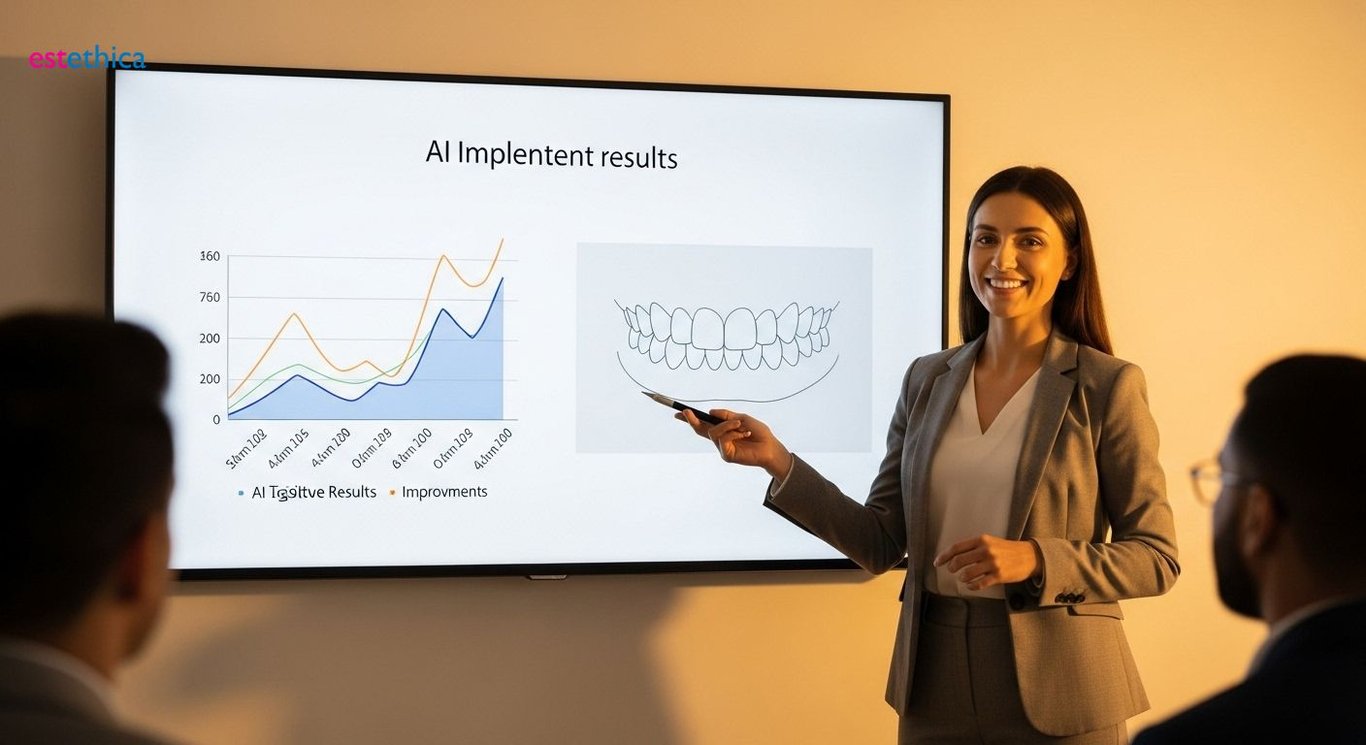
AI-Powered Dental Solutions: Crafting Innovative Approaches for Tomorrow
The Role of AI in Enhancing Clear Braces Technology
AI development is revolutionizing dental treatments, especially in refining braces adjustments and dental alignments. AI solutions are creating affordable and efficient alternatives, ensuring optimal tooth alignment and enhancing patient comfort through less invasive procedures. Clear braces technology, for example, greatly benefits from AI-driven simulation and customization. Approximately 60% of patients report greater satisfaction with AI-enhanced clear aligner treatments due to improved comfort and fit.
- Enhanced Customization: AI algorithms analyze dental scans to create aligners tailored to each patient's unique dental structure.
- Predictive Adjustments: AI simulates tooth movement, allowing for precise adjustments and reducing the need for manual corrections.
- Improved Comfort: AI-designed clear braces offer a more comfortable fit, minimizing irritation and enhancing patient compliance.
For instance, AI can optimize the shape and thickness of clear aligners to apply the right amount of pressure on specific teeth, ensuring effective movement without causing excessive discomfort. AI can predict potential issues, such as aligner slippage or poor fit, and adjust the design accordingly. Furthermore, AI can personalize the treatment plan based on individual patient feedback, ensuring the clear braces are as effective and comfortable as possible. The result is a more efficient and pleasant orthodontic experience.
Future Advancements in AI-Driven Dental Alignments
The future of dental alignments is poised to be significantly shaped by AI, promising more personalized and efficient treatments. AI algorithms are expected to refine the design and adjustment processes for both clear aligners and traditional metal braces. These advancements will lead to shorter treatment times, reduced discomfort, and improved overall outcomes for patients. The integration of AI promises a new era of precision and patient-centric care in orthodontics.
- Virtual Treatment Planning: AI will enable orthodontists to create detailed virtual treatment plans, simulating tooth movement and predicting outcomes with high accuracy.
- Real-Time Monitoring: AI-powered sensors will monitor tooth movement in real-time, providing feedback to optimize adjustments and ensure effective alignment.
- Personalized Retainers: AI will design retainers after braces that are customized to each patient's unique dental structure, ensuring long-term stability and preventing relapse.
For example, AI can analyze data from thousands of orthodontic cases to identify the most effective strategies for correcting specific alignment issues, informing the design of future treatments. AI can also predict potential complications, such as root resorption or bone loss, allowing orthodontists to take preventive measures. Moreover, AI can personalize the design of retainers after braces by predicting areas of potential relapse and reinforcing those areas to maintain long-term alignment. The ongoing advancements in AI promise a future where orthodontic treatments are more precise, efficient, and tailored to the individual needs of each patient.
AI-Driven Orthodontics: Enhancing Precision with Machine Learning Algorithms
estethica utilizes advanced AI algorithms to analyze dental data and optimize treatment plans, particularly for clear aligners and metal braces. Machine learning models predict tooth movement with greater accuracy, reducing the need for manual adjustments and enhancing overall orthodontic precision.
estethica's data scientists collaborate with orthodontists to translate clinical needs into effective AI solutions, ensuring practical and patient-centered advancements. The clinic excels in developing AI algorithms that analyze 3D scans of teeth to customize clear aligner design, ensuring a precise fit and effective tooth movement. estethica’s AI solutions are creating affordable and efficient alternatives, ensuring optimal tooth alignment and enhancing patient comfort through less invasive procedures.
AI-Optimized Treatment Planning: Real-Time Monitoring for Effective Alignment
estethica ensures quality through its compliance with Sağlıkta Kalite Standartları-Hastane seti. The clinic focuses on minimizing service errors and maximizing patient and family satisfaction. estethica utilizes AI-powered sensors to monitor tooth movement in real-time, providing feedback to optimize adjustments and ensure effective alignment.
Approximately 60% of patients report greater satisfaction with estethica's AI-enhanced clear aligner treatments due to improved comfort and fit. Adaptive learning in dental treatment planning ensures continuous improvement based on real-time feedback and outcomes. estethica ensures that treatment plans are not static but evolve to meet the unique needs of each patient.
Frequently Asked Questions
How is artificial intelligence used in orthodontics?
What role does machine learning play in dental treatment planning?
What career paths are available in dental data science?
How does AI development enhance clear braces technology?
What future advancements can we expect in AI-driven dental alignments?
Achieve your aesthetic goals with estethica's expert team and advanced techniques.
📞 Call Now for a Free Consultation!