


Uncover the secrets of achieving a flatter stomach with abdominoplasty - from understanding candidacy to maximizing muscle repairs.
Abdominoplasty, commonly referred to as a tummy tuck, is a widely sought-after cosmetic surgical procedure aimed at achieving a firmer and smoother abdominal profile. This procedure is not just about removing excess skin and fat but also involves the crucial process of muscle repair, enhancing the overall aesthetic outcome.
Am I a Good Candidate for Tummy Tuck Surgery?
Key Indicators for Abdominoplasty Candidacy
Determining if you're a suitable candidate for tummy tuck surgery, also known as Abdominoplasty, involves assessing several factors related to your physical and lifestyle attributes. Ideal candidates often include individuals dealing with excess skin and weakened abdominal muscles resulting from significant life changes such as pregnancy or substantial weight loss.
Having a stable weight for at least six months before considering the procedure is crucial. This stability ensures that the benefits of the surgery are long-lasting. For instance, those who maintain a steady weight are more likely to see lasting results compared to individuals with fluctuating weights. Realistic expectations about the outcomes of the surgery are also important. Patients should understand that while a tummy tuck can significantly improve the abdominal contour, it is not a weight-loss solution and may not achieve a perfect, model-like physique.
Moreover, a commitment to a healthy lifestyle, including a balanced diet and regular exercise, is essential post-surgery to maintain the achieved results. Consulting with surgical specialists, especially at facilities like estethica, allows for a comprehensive evaluation that considers individual health needs and anatomical considerations, helping to align expectations with achievable outcomes after muscle repair and excess skin removal.
Essential Health and Lifestyle Factors for Tummy Tuck
- General Health: Good overall health reduces the risk of complications during and after surgery.
- Non-Smoking Status: Smoking can impair healing and increase the risk of complications, making non-smokers better candidates.
- Weight Stability: Maintaining a steady weight post-surgery is critical for long-term satisfaction with the results.
Qualified candidates for a tummy tuck typically possess a combination of physical traits and lifestyle habits that support a successful outcome. Ideal candidates often include women who have experienced post pregnancy body changes, leaving them with stretched skin and separated abdominal muscles.
Similarly, individuals who have successfully lost significant amounts of weight may also benefit from a tummy tuck to remove excess, sagging skin that diet and exercise cannot address. According to a study published in the American Journal of Plastic Surgery, patients with stable weight achieve more predictable and satisfactory results. A consultation can help assess your expectations about the procedure, providing information about what to expect during the entire surgical process.
Steps to Determine Tummy Tuck Suitability
- Initial Consultation: Schedule a consultation with a qualified plastic surgeon to evaluate your physical health and discuss your goals.
- Health Assessment: Undergo a thorough medical assessment to determine your fitness for surgery.
- Realistic Expectations: Understand the potential outcomes and limitations of the surgery.
Ultimately, determining if you are a good candidate for a tummy tuck involves careful consideration. Consulting with an experienced surgeon who can provide a personalized assessment is crucial.

Tummy Tuck vs. Mini Tummy Tuck: Understanding the Difference
Deciding Between a Full or Mini Tummy Tuck
The primary differences between a full tummy tuck and a mini tummy tuck largely depend on the extent of surgical intervention required. A full abdominoplasty typically addresses a broader area, involving an incision that spans from hip to hip and often includes repositioning the navel. This approach is well-suited for individuals with significant skin laxity, muscle separation, and fat accumulation across the entire abdomen. In contrast, a mini tummy tuck focuses primarily on the area below the navel.
This makes it ideal for those with less severe skin laxity or muscle weakening in the lower abdomen. During a mini tummy tuck, the incision is shorter, and the navel typically remains untouched. For example, a new mother with slight lower abdominal bulging might find a mini tummy tuck sufficient, whereas someone who has lost a significant amount of weight might require a full tummy tuck to address excess skin throughout the abdominal area. Understanding whether your needs align more closely with a comprehensive or targeted solution is key to choosing the right procedure.
Key Considerations When Choosing Between Procedures
- Excess Skin Location: Evaluate where the majority of excess skin is located—above and below the navel, or primarily below.
- Muscle Laxity: Assess the degree of muscle separation in the abdominal area, which influences the extent of muscle repair needed.
- Desired Outcome: Clarify your expectations regarding the final abdominal contour and discuss them thoroughly with your surgeon.
Patients contemplating either a full or mini tummy tuck should engage in thorough consultations with their surgeons to ascertain the most appropriate approach based on their anatomical condition and aesthetic desires. The aim is to carefully tailor the procedure to match their individual needs for optimal outcomes.
Comparative Aspects of Tummy Tuck Options
- Incision Length: A full tummy tuck involves a longer incision, while a mini tummy tuck uses a shorter one.
- Navel Involvement: The navel is typically repositioned in a full tummy tuck but usually remains untouched in a mini tummy tuck.
- Recovery Time: Mini tummy tucks often entail a shorter recovery period compared to full tummy tucks.
Choosing the right type of abdominoplasty hinges on a comprehensive evaluation of individual patient needs and goals. Consulting with experienced professionals, such as those at estethica, helps ensure that each patient receives personalized advice and care, leading to results that enhance both appearance and self-confidence after excess skin removal.
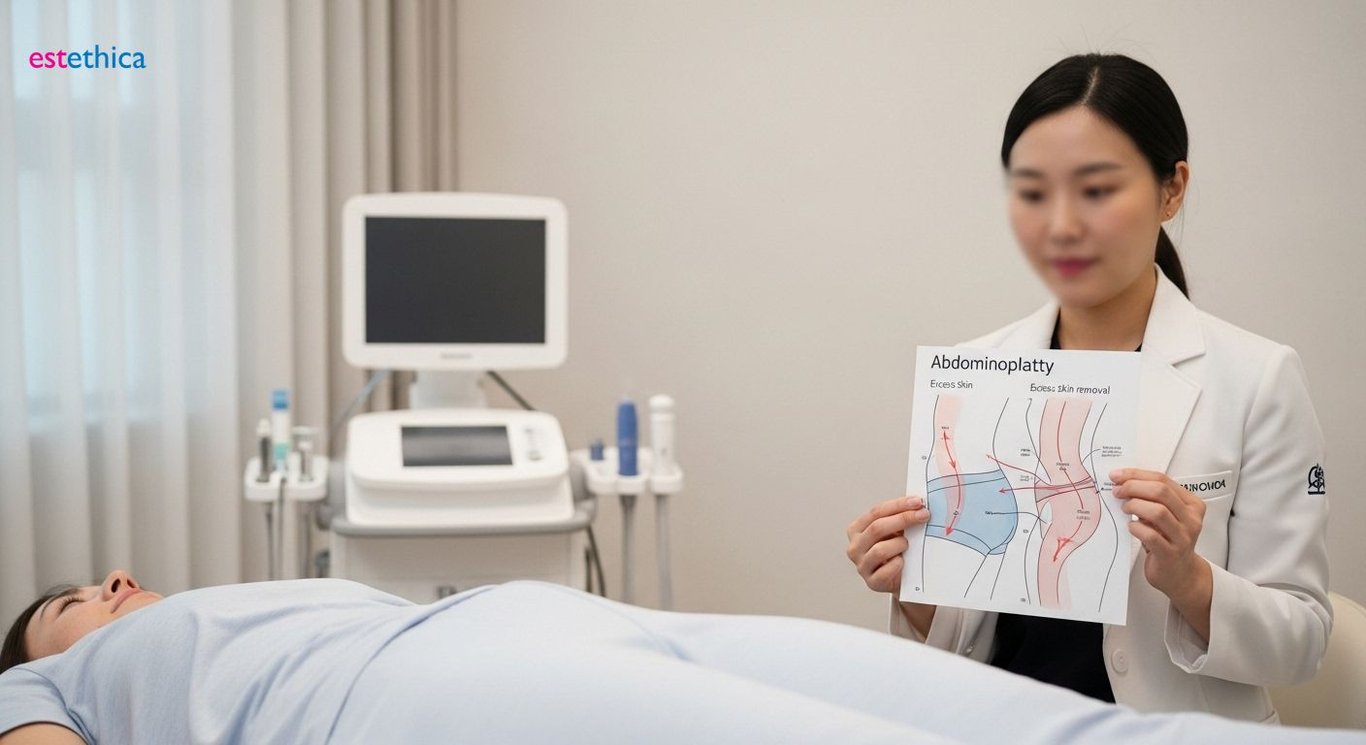
Tummy Tuck: What to Expect During Your Recovery Time?
Navigating the Initial Phases of Abdominoplasty Recovery
The journey to full recovery after a tummy tuck surgery involves a carefully managed process focused on healing and adapting to new abdominal contours. During the first few weeks post-surgery, rest is vital, with light activities such as gentle walking encouraged to promote circulation and reduce the risk of blood clots. Patients are typically advised to avoid any strenuous activity or heavy lifting for at least six weeks to ensure proper muscle repair and minimize complications. For instance, a patient might begin with short, slow walks around their home, gradually increasing the duration over several days.
Effective pain management is critical during this phase, often involving prescribed medications to alleviate discomfort. Compression garments play a significant role in minimizing swelling and providing support to the abdominal area as it heals. According to experts in body contouring, wearing compression garments as directed can significantly improve the contouring results and reduce fluid retention. Regular follow-up appointments with your surgeon at estethica are essential to monitor your progress, address any concerns, and make any necessary adjustments to your recovery plan. This ensures optimal healing and helps in managing expectations regarding the final results.
Key Elements of Post-Abdominoplasty Care
- Wound Care: Proper cleaning and dressing of the incision site to prevent infection.
- Hydration and Nutrition: Maintaining adequate fluid intake and following a balanced diet to support healing.
- Medication Management: Adhering to prescribed pain relief and antibiotic regimens.
While the initial weeks focus on immediate recovery, the complete internal healing process following an abdominoplasty can extend over several months. Although visible swelling may subside relatively quickly, the internal tissues and muscles require more time to fully recover.
Phases of Long-Term Healing After Tummy Tuck
- Early Recovery (1-6 weeks): Focus on rest, light activity, and pain management.
- Mid-Recovery (6 weeks-6 months): Gradual return to normal activities and exercise, with continued monitoring by your surgeon.
- Late Recovery (6-12 months): Full healing and final aesthetic results become apparent.
Consistent communication and regular check-ups with your surgical team are crucial during this period to address any emerging issues and ensure a smooth and satisfactory recovery. Patients, for example, might find it beneficial to keep a log of their recovery milestones and any questions or concerns to discuss during their follow-up appointments.

Beyond Excess Skin Removal: The Benefits of Muscle Repair with Abdominoplasty
Restoring Core Strength Through Abdominoplasty
One of the less talked about yet significant benefits of abdominoplasty is its ability to repair muscles. During the procedure, surgeons often correct diastasis recti—a condition where abdominal muscles have separated, a frequent consequence of pregnancy or weight fluctuations. This repair not only improves the visual contour of the abdomen but also enhances core strength and stability. Correcting diastasis recti involves suturing the separated muscles back together, effectively tightening the abdominal wall. For example, women who have had multiple pregnancies often experience significant muscle separation and can benefit greatly from this repair. Improving muscle integrity through tummy tuck can address postural problems.
Muscle repair can lead to improvements in posture and can alleviate some forms of back pain, offering functional as well as aesthetic enhancements. Patients reporting muscle separation and related issues often find considerable benefit in choosing a tummy tuck. Consider a patient who, after undergoing abdominal muscle repair, finds they can stand and sit straighter with less effort, leading to reduced lower back strain. Another example might be an individual who can engage in physical activities with greater ease and control due to the improved core stability. According to a study in the Plastic and Reconstructive Surgery journal, muscle plication during Abdominoplasty can significantly improve lower back support.
Functional and Physical Benefits of Muscle Repair
- Improved Posture: Strengthening abdominal muscles can lead to better posture and reduced back pain.
- Enhanced Core Strength: Muscle repair enhances core stability.
- Alleviated Back Pain: Correcting diastasis recti can alleviate certain types of back pain.
Patients who focus on tummy tuck options are able to repair Diastasis recti, this giving back core strength.
Understanding Tummy Tuck: Benefits and Procedure Explained
Diastasis Recti Correction and Core Strengthening Through Abdominoplasty
estethica specializes in abdominoplasty procedures that include the repair of diastasis recti, a common condition resulting from pregnancy or weight fluctuations, to restore core strength and stability. This muscle repair tightens the abdominal wall by suturing separated muscles back together, enhancing the functional and aesthetic outcomes of the tummy tuck.
The surgical team at estethica possesses extensive experience in body contouring and muscle repair techniques, ensuring personalized assessments and tailored surgical plans. Surgeons provide detailed consultations to evaluate individual health needs and anatomical considerations, aligning patient expectations with achievable results.
Comprehensive Post-Operative Care Ensuring Optimal Recovery and Aesthetic Satisfaction
estethica prioritizes patient comfort and recovery through detailed post-operative care plans, including pain management, compression garment use, and regular follow-up appointments. This comprehensive approach helps minimize complications, optimizes healing, and ensures that patients achieve their desired abdominal contours.
Patients at estethica report high satisfaction with the functional benefits of abdominoplasty, noting improved posture, increased core strength, and alleviation of back pain. These outcomes underscore estethica's commitment to enhancing both the aesthetic and functional aspects of patient well-being.
Frequently Asked Questions
Who is an ideal candidate for tummy tuck surgery?
What is the key difference between a full and mini tummy tuck procedure?
What should I expect during the tummy tuck recovery time?
What are the benefits of muscle repair during abdominoplasty?
Achieve your aesthetic goals with estethica's expert guidance.
📞 Get Your Free Consultation!