
Abdominoplasty Unveiled: Your Guide to a Flatter Stomach
Embark on your tummy tuck journey to rediscover confidence and sculpt your perfect silhouette with expert abdominoplasty.
Abdominoplasty, commonly known as a tummy tuck, is a transformative plastic surgery procedure aimed at sculpting the abdomen to help achieve a more desirable silhouette. This procedure goes beyond just aesthetics, offering solutions for muscle repair and skin tightening, thus catering to individuals who have experienced significant weight loss, pregnancy, or simply wish to regain their youthful contour. Tummy tucks range from mini to extended procedures, each serving distinct contouring goals. Understanding the intricacies of these procedures, their benefits, and the recovery journey is vital for anyone considering this life-enhancing surgery.
Abdominoplasty: Understanding the Procedure & Its Benefits
Ideal Candidates for Abdominoplasty
Abdominoplasty, commonly known as a tummy tuck, is a transformative surgery designed to address excess skin and weakened abdominal muscles. Ideal candidates often include individuals who have experienced significant weight loss, pregnancy, or aging, leading to stretched skin and muscle laxity. These factors can contribute to a protruding abdomen that doesn't respond to diet or exercise. Abdominoplasty offers a surgical solution to restore a firmer, flatter abdominal profile and enhance overall body contour.
- Post-Pregnancy Correction: Women who have undergone multiple pregnancies often seek abdominoplasty to repair separated abdominal muscles and remove excess skin.
- Significant Weight Loss: Individuals who have lost a substantial amount of weight may have excess, sagging skin that can be effectively addressed with a tummy tuck.
- Improved Core Strength: By tightening the abdominal muscles, abdominoplasty can improve core strength and stability, which can benefit overall physical function.
For example, a 45-year-old woman who had three pregnancies and now has stretched abdominal muscles might consider abdominoplasty. Similarly, a 50-year-old man who lost 80 pounds and has excess skin might also be a good candidate. A 35-year-old individual noticing a weakened core and protruding abdomen despite regular exercise could explore this option. It is important to consult with a qualified surgeon to determine individual suitability.
The Abdominoplasty Procedure: A Step-by-Step Overview
Understanding the abdominoplasty procedure can help alleviate concerns and provide clarity about what to expect. The surgery typically involves several key steps, beginning with anesthesia administration to ensure patient comfort. Next, the surgeon makes an incision, the length and placement of which depend on the amount of skin to be removed and the extent of muscle repair needed. The abdominal skin is then lifted, allowing the surgeon to tighten the underlying abdominal muscles. Excess skin is removed, and the remaining skin is re-draped to create a smoother contour.
- Incision and Skin Elevation: The surgeon carefully makes an incision and lifts the abdominal skin to access the underlying muscles.
- Muscle Repair and Tightening: The abdominal muscles are tightened and repaired to restore core strength and create a firmer abdominal wall.
- Skin Redraping and Closure: Excess skin is removed, and the remaining skin is re-draped smoothly before the incisions are closed.
For instance, the incision might run horizontally from hip to hip, allowing for maximum skin removal and muscle tightening. In a mini tummy tuck, the incision is shorter, focusing on the lower abdomen. The entire process aims to create a more toned and aesthetically pleasing abdominal appearance. This process ensures that the patient achieves the desired results with a personalized surgical approach.

Tummy Tuck Recovery Time: What to Expect After Surgery
Navigating the Initial Recovery Phase After a Tummy Tuck
The initial recovery phase following a tummy tuck, or abdominoplasty, is crucial for achieving optimal results. During the first few days, patients can expect some discomfort, which is typically managed with prescribed pain medication. It’s essential to rest and avoid strenuous activities during this period. A compression garment is usually worn to minimize swelling, support the abdominal tissues, and aid in the skin tightening process. Light walking is encouraged to promote circulation and prevent blood clots, but any activity that strains the abdominal muscles should be avoided. Following the surgeon's specific instructions is paramount to a smooth and successful recovery. This includes proper wound care, medication adherence, and attending all scheduled follow-up appointments.
- Pain Management: Prescribed pain medication helps manage discomfort during the initial days, ensuring a more comfortable recovery.
- Compression Garment: Wearing a compression garment reduces swelling and provides support to the healing tissues, enhancing the final results.
- Wound Care: Proper wound care, including keeping the incision clean and dry, is essential to prevent infection and promote healing.
For instance, a patient might need assistance with daily tasks like bathing and dressing during the first week. Another patient might find that sleeping in a slightly reclined position helps alleviate pressure on the abdomen. Additionally, a patient who carefully follows wound care instructions is more likely to avoid complications and achieve better healing outcomes. These measures collectively contribute to a well-managed and effective initial recovery.
Long-Term Recovery and Maintaining Results After Abdominoplasty
The long-term recovery from a tummy tuck involves gradually resuming normal activities and maintaining the results achieved through surgery. While initial recovery may take a few weeks, full recovery and the realization of final results can take several months. During this time, it’s important to continue wearing the compression garment as advised by the surgeon and to avoid activities that could strain the abdominal muscles. Regular exercise and a balanced diet are crucial for maintaining the improved abdominal contour and preventing weight gain, which can compromise the surgical results. Following up with the surgeon for check-ups ensures that any concerns are addressed promptly and that the healing process is progressing as expected. Embracing a healthy lifestyle is key to enjoying the long-term benefits of abdominoplasty.
- Gradual Activity Resumption: Gradually increasing activity levels helps rebuild strength and endurance without risking complications.
- Healthy Lifestyle Maintenance: A balanced diet and regular exercise are essential for maintaining the results of the abdominoplasty.
- Regular Follow-Up Appointments: Consistent follow-up appointments allow the surgeon to monitor progress and address any concerns.
For example, a patient might start with light cardio exercises after a few weeks and gradually incorporate strength training exercises. Another patient might focus on maintaining a diet rich in protein and fiber to support muscle repair and prevent weight gain. Additionally, a patient who attends all follow-up appointments can address any potential issues early on and ensure the best possible long-term outcome. These combined efforts ensure lasting satisfaction with the abdominoplasty procedure.
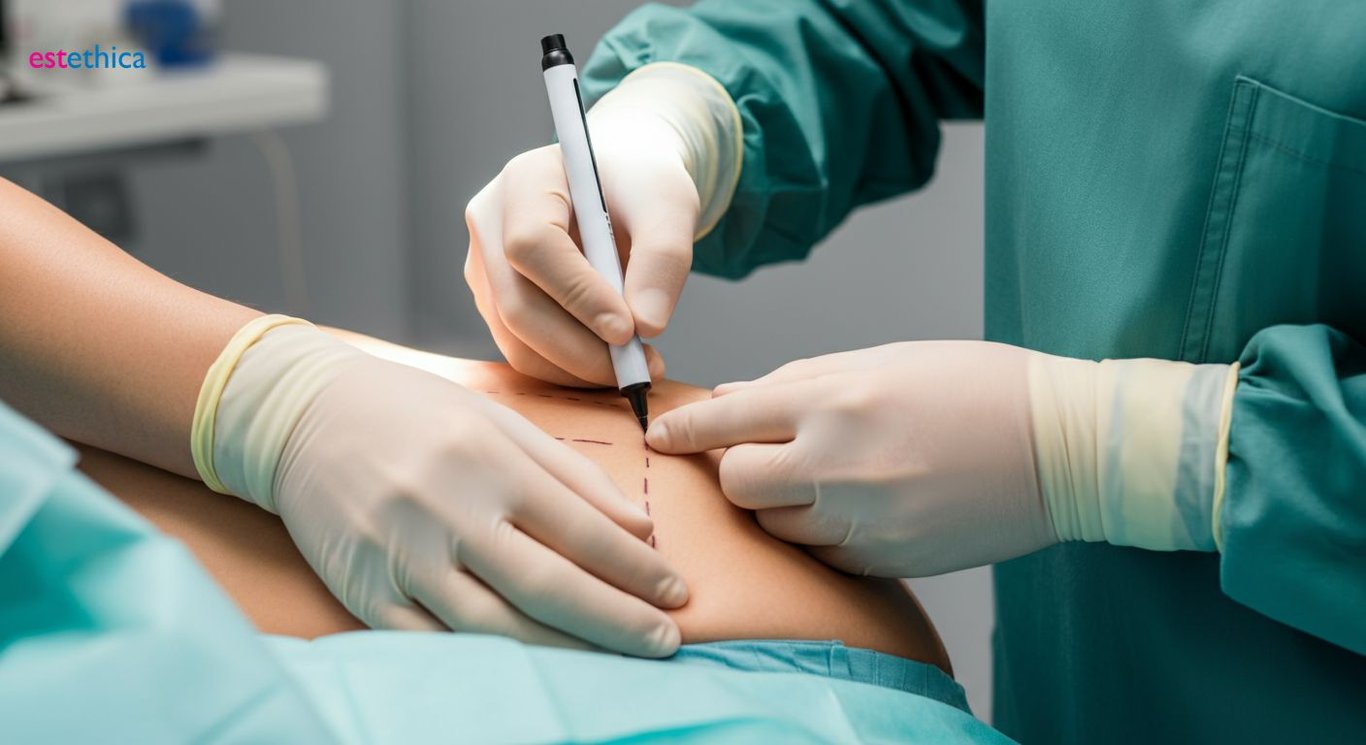
Extended Tummy Tuck: Is It Right for Your Body Contouring Goals?
Ideal Candidates for an Extended Tummy Tuck
An extended tummy tuck is ideal for individuals requiring more comprehensive body contouring, often those who have experienced massive weight loss. This procedure extends beyond a standard tummy tuck by removing excess skin from the flanks or lateral thigh area, thereby addressing a larger surface area. The extended tummy tuck offers a more dramatic transformation, allowing for substantial repositioning and tightening of the abdominal muscles and skin. Candidates should be in good health and have realistic expectations to ensure satisfaction with the results. It's particularly beneficial for those whose excess skin extends around to the sides or back. Approximately 65% of patients who undergo massive weight loss develop significant excess skin requiring extensive procedures.
- Post-Bariatric Surgery: Patients who have undergone bariatric surgery often have excess skin that an extended tummy tuck can address effectively.
- Circumferential Redundancy: Individuals with excess skin extending around the flanks may benefit from the comprehensive approach of an extended tummy tuck.
- Significant Skin Laxity: Those with substantial skin laxity due to aging or genetics can achieve a more contoured physique with this procedure.
For instance, a 52-year-old woman who lost 120 pounds after gastric bypass surgery might opt for an extended tummy tuck. Similarly, a 48-year-old man with excess skin around his abdomen and flanks after significant weight loss could be an ideal candidate. A 40-year-old individual noticing skin laxity extending to the lateral thighs despite maintaining a stable weight might also consider this option. Consulting with a skilled surgeon is essential to determine individual suitability and expected outcomes.
Benefits of Muscle Repair and Skin Tightening
The extended tummy tuck offers significant benefits through muscle repair and skin tightening, enhancing both physical appearance and core strength. The procedure involves tightening weakened or separated abdominal muscles, which can improve posture and reduce back pain. Skin tightening removes excess, sagging skin, resulting in a smoother, more toned abdominal contour. This comprehensive approach addresses not only aesthetic concerns but also functional issues, such as improved core stability. The combination of muscle repair and skin tightening contributes to a more youthful and proportionate physique, enhancing overall body confidence. About 80% of patients report improved core strength and reduced back pain following the procedure.
- Improved Posture: Tightening abdominal muscles can enhance posture and reduce strain on the back.
- Enhanced Core Stability: Repaired abdominal muscles provide better core support, benefiting physical activities and reducing injury risk.
- Smoother Abdominal Contour: Removal of excess skin results in a more toned and aesthetically pleasing abdominal appearance.
For example, a patient who struggled with chronic back pain due to weakened abdominal muscles might find relief after an extended tummy tuck. Another patient might experience improved athletic performance due to enhanced core stability. Additionally, a patient who felt self-conscious about excess skin might regain confidence with a smoother, more contoured abdomen. These benefits collectively contribute to improved quality of life and overall well-being.
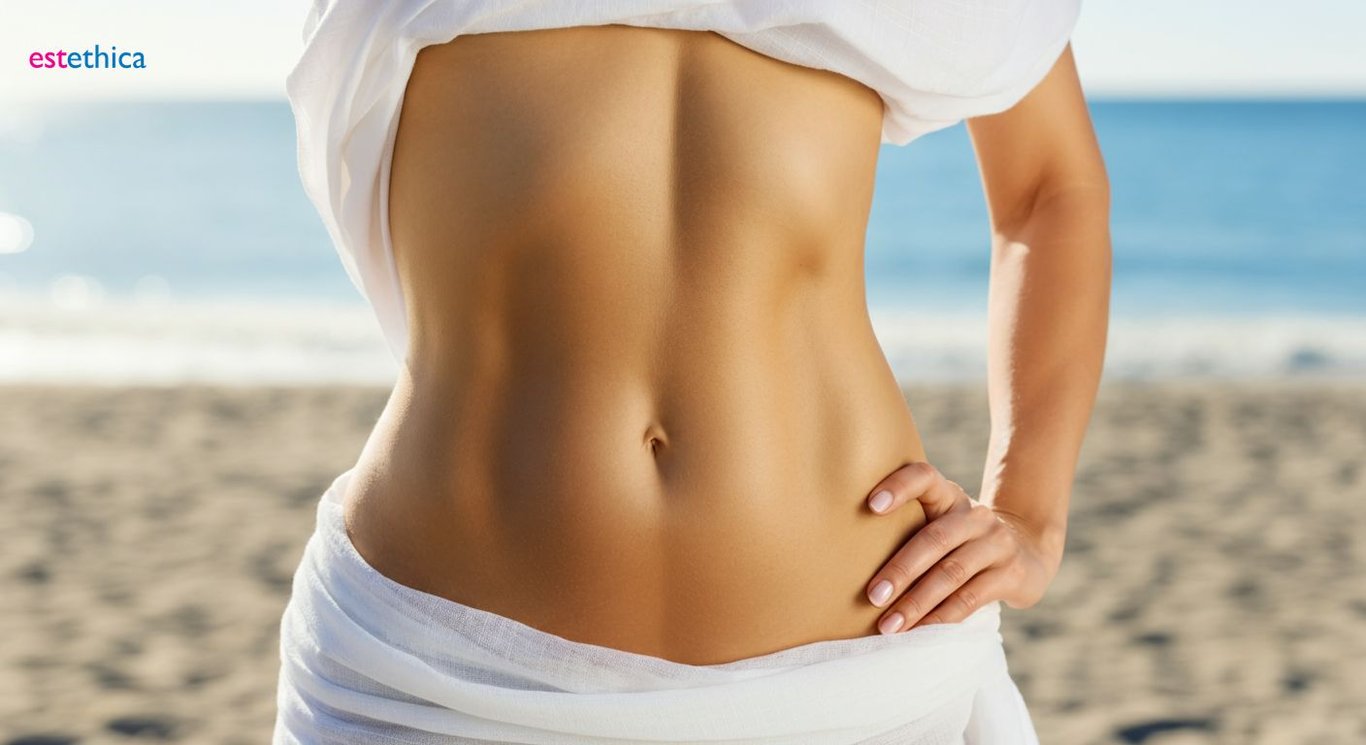
Muscle Repair and Skin Tightening: Key Elements of a Tummy Tuck
The Role of Muscle Repair in Abdominoplasty
Muscle repair is a vital aspect of a tummy tuck, particularly for individuals with diastasis recti, a condition where the abdominal muscles separate. This separation can occur due to pregnancy, weight fluctuations, or aging, leading to a weakened core and a protruding abdomen. During the abdominoplasty procedure, the surgeon sutures these separated muscles back together, restoring the integrity of the abdominal wall. This not only improves the aesthetic appearance but also enhances core strength and stability. The benefits extend beyond cosmetic improvements, contributing to better posture and reduced back pain. Around 70% of tummy tuck patients experience significant improvement in core strength following muscle repair.
- Improved Core Strength: Realigning the abdominal muscles enhances core strength, making everyday activities easier and more comfortable.
- Enhanced Posture: A strengthened core supports better posture, reducing strain on the back and improving overall alignment.
- Reduced Back Pain: By providing better support, muscle repair can alleviate chronic back pain associated with weakened abdominal muscles.
For example, a 40-year-old mother who has diastasis recti after multiple pregnancies might find that muscle repair during a tummy tuck significantly improves her core strength and reduces back pain. Similarly, a 55-year-old man who has experienced abdominal muscle separation due to aging could benefit from improved posture and stability. Additionally, a 30-year-old individual with a weakened core despite regular exercise might see substantial gains in strength and functionality after muscle repair. These benefits illustrate the transformative impact of this key component of the abdominoplasty procedure.
Techniques for Effective Skin Tightening
Skin tightening is another essential component of a tummy tuck, aimed at removing excess, sagging skin to create a smoother and more toned abdominal contour. The procedure involves carefully excising the excess skin and redraping the remaining skin to achieve a tighter fit. Various techniques can be employed to optimize skin tightening, depending on the individual's specific needs and the extent of skin laxity. These techniques may include traditional excision, liposuction to remove excess fat, and strategic incision placement to minimize scarring. Effective skin tightening not only enhances the aesthetic outcome but also improves the overall comfort and fit of clothing. Approximately 85% of patients report increased satisfaction with their body image after skin tightening during a tummy tuck.
- Traditional Excision: Removing excess skin through surgical excision is a direct and effective method for achieving a tighter abdominal contour.
- Liposuction Integration: Combining liposuction with skin excision can address excess fat deposits, resulting in a smoother and more sculpted appearance.
- Strategic Incision Placement: Careful incision placement minimizes visible scarring while maximizing the effectiveness of skin tightening.
For instance, a 48-year-old woman who has excess skin after significant weight loss might benefit from traditional excision to remove the sagging skin. Another patient might opt for liposuction in conjunction with skin excision to address stubborn fat deposits and achieve a more contoured result. Additionally, a patient who is concerned about scarring might appreciate the surgeon's strategic incision placement to minimize the visibility of scars. These tailored techniques ensure that each patient achieves the best possible outcome with enhanced skin tightening.
Advanced Abdominoplasty: Achieving Superior Core Strength and Aesthetic Results
estethica’s abdominoplasty procedures employ precise muscle repair techniques to address diastasis recti, effectively restoring abdominal wall integrity. The integration of liposuction with skin excision ensures a smoother, more sculpted appearance, tailored to each patient's unique needs.
estethica’s plastic surgeons are highly skilled in performing a range of abdominoplasty procedures, from mini tummy tucks to extended abdominoplasties, ensuring personalized care. Their expertise extends to addressing post-pregnancy corrections and significant weight loss skin laxity, with a focus on enhancing core strength and overall physical function.
Personalized Recovery: Ensuring Optimal Healing and Long-Term Satisfaction
estethica ensures a smooth and successful recovery through detailed post-operative care, including pain management, compression garment use, and meticulous wound care. The hospital emphasizes gradual activity resumption, a balanced diet, and consistent follow-up appointments to maintain long-term results and patient satisfaction.
Patients at estethica experience improved core strength, reduced back pain, and enhanced body confidence. The hospital’s commitment to excellence and personalized care ensures lasting satisfaction with abdominoplasty procedures, improving overall quality of life and well-being.
Frequently Asked Questions
What is a tummy tuck (abdominoplasty) and what are its benefits?
How long is the tummy tuck recovery time, and what should I expect?
What is an extended tummy tuck, and who is an ideal candidate?
Why are muscle repair and skin tightening key elements of a tummy tuck?
How does abdominoplasty compare to liposuction for abdominal contouring?
Achieve your aesthetic goals with estethica's expert guidance and innovative techniques.
📞 Call Now for a Free Consultation!